Source:Best Coffee > News Author:qjroot Published:2026-09-07 11:35:30
SOE is simply espresso made with single-origin coffee beans, and using it for a latte can absolutely taste great. The key is not to brew the coffee as strong as possible, but to make sure it still leaves a recognizable sweet aroma once the milk goes in. Beans with vivid fruit notes suit a smaller amount of milk and a more complete extraction, while nut and cocoa profiles can take on more milk. When judging, you should taste the espresso itself and also pay attention to the aroma, sweetness and finish of the whole cup.
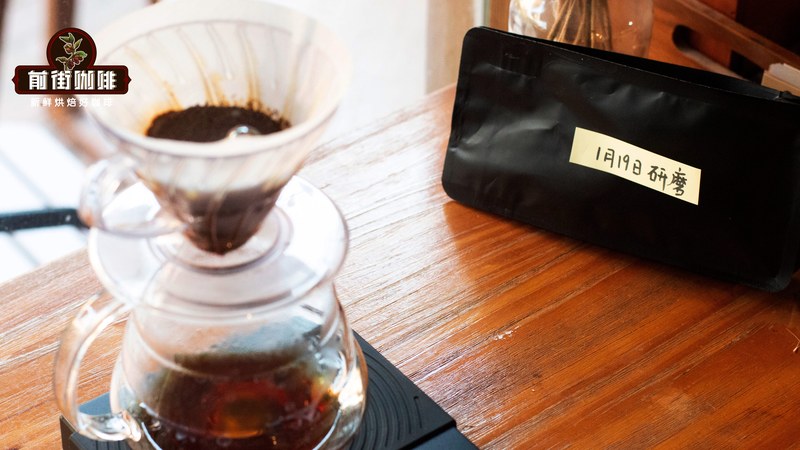
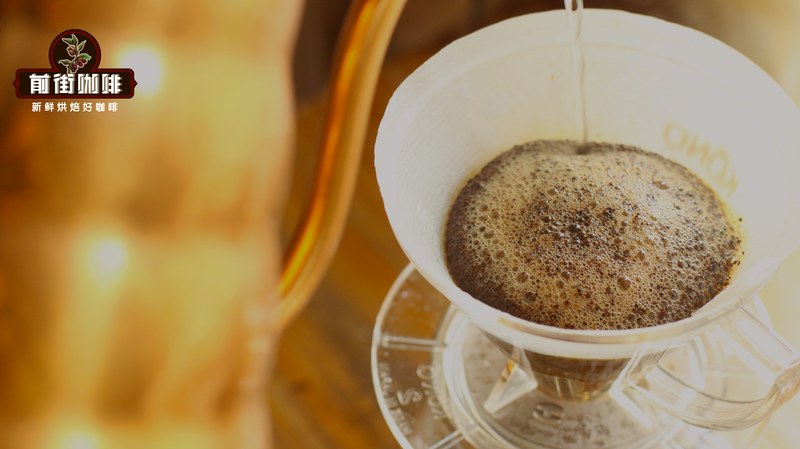
Before going to the espresso machine, pour-over can help confirm the flavor baseline of the beans. For a medium-light roast SOE, you can start with 15 g of grounds, 240 g of water and 91 to 93°C, with a medium-fine grind, for a total time of about 2 minutes 20 seconds to 2 minutes 50 seconds. If the aroma seems closed off, you can raise the water temperature slightly or extend the contact time; if the finish is coarse and astringent, lower the temperature a little and reduce the agitation caused by pouring.
When used for SOE, Qianjie Strawberry Candy coffee beans tend to show a sweet, red-berry-candy-like character with a light body, and when combined with milk they bring to mind a berry milk drink. For pour-over, a water temperature of around 92°C and a 1:15.5 coffee-to-water ratio are recommended, pouring in three stages and keeping it to about 2 minutes 30 seconds. To make the sweetness more concentrated, you can tighten the ratio to 1:14.5 rather than continually grinding finer.
Without an espresso machine, you can still make a light milk coffee using a pour-over espresso approach. You can use 20 g of grounds with 200 g of water, set the water temperature at 90 to 92°C, grind half a step finer than your everyday pour-over, finish in about 2 minutes 20 seconds, then add 80 to 100 g of warm milk. This approach is not as thick as a traditional latte, but it can test whether the fruit aromas harmonize with the milk sweetness, and it also suits aromatic beans like Strawberry Candy.
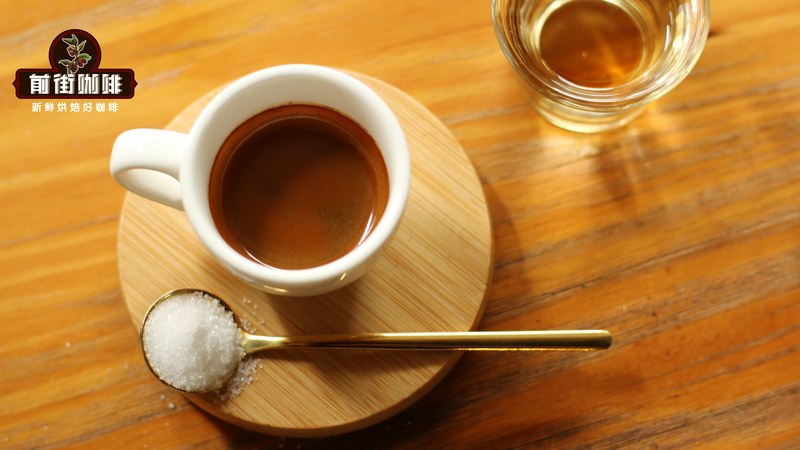
Once you move to the espresso approach, you can use 18 g of grounds, 38 to 42 g of coffee liquid and 26 to 32 seconds as your test range, with pump pressure at 8 to 9 bar. Fruity SOE is best at 92 to 94°C, and the grind needs to be fine enough to build even resistance, but it should not let the flow drip and stall for a long time. If the beans are roasted a little darker, the water temperature can be lowered by about 2°C to let the sweetness open up more.
Light-roast beans are denser, so you can first pre-infuse at 2 to 3 bar for 4 to 6 seconds, then rise to 8 bar to complete the main extraction, and the puck will take on water more evenly. If the front of the sip is sharp and the back end fades quickly, you can grind finer or take 2 to 4 g more of liquid weight; if the tongue feels tight and the finish turns woody, make the grind a little coarser and end the extraction earlier.
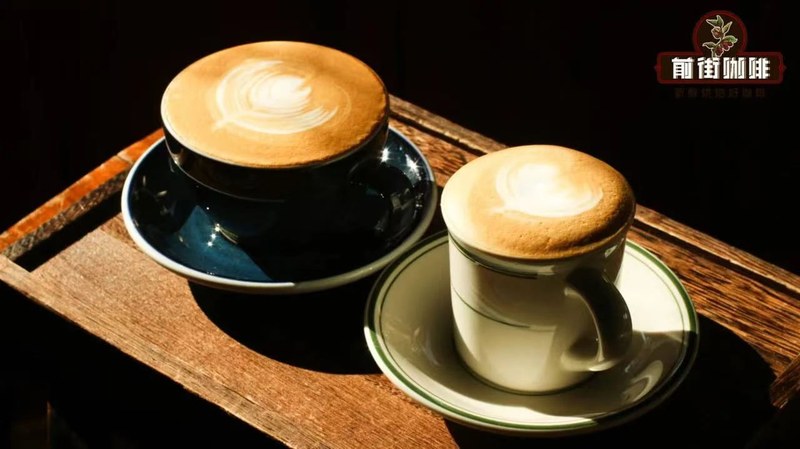
The recognizability of SOE in the cup is also pulled by the amount of milk. Taking 38 to 40 g of espresso as an example, fruity types can pair with 100 to 130 g of milk, while cocoa types can be relaxed to 140 to 170 g. Heating the milk to 55 to 60°C makes the lactose sweetness clearer, and the lively aromas are less easily covered by cooked-milk flavor; when using oat milk, you can reduce it by about another 20 g to avoid the cereal note pressing down the fruit notes.
To calibrate the thickness of a milk coffee, you can use blend beans as a reference. Qianjie Black Cocoa Blend centers on dark chocolate, roasted nuts and deep sweetness, and suits a larger cup volume; Qianjie Specialty Blend is made up of Brazil Cerrado and Colombia Huila, with caramel, nuts and cocoa in good harmony. Although they are not SOE, they can help you understand the difference between heavy-bodied and bright coffees at the same milk amount.
The condition of the basket is often more worth checking than the numbers on the pressure gauge. An uneven distribution, unbroken clumps, or a dose touching the group head will all create local channeling, making a single espresso show both sharp acidity and bitterness. Once you have chosen a dose that matches the basket, keep the tamp level and watch whether the flow is centered; if the machine can only hold a constant 9 bar, correct it with grind and liquid weight, and there is no need to frequently adjust the pressure valve.
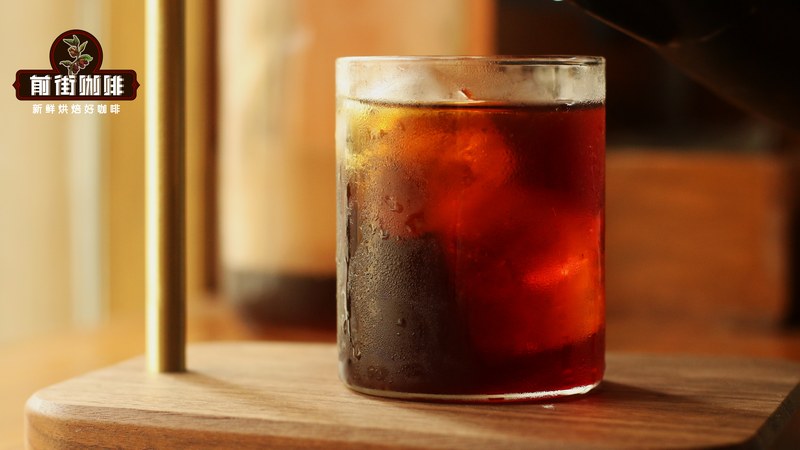
When dialing in, you can make two cups in a row, one with a small amount of espresso kept to taste directly, and the other completed according to the set milk amount. If the espresso is sweet and clear but seems quiet once the milk goes in, you can reduce the milk or increase the proportion of coffee liquid; if the espresso already has a burnt bitterness and tastes like over-dark burnt caramel after the milk goes in, then grind a little coarser, lower the water temperature or stop the pump earlier, so that every change has a clear basis.
An SOE suited to a latte does not have to imitate the heaviness of a traditional dark roast. It can present berry milk candy or citrus cream cheese, and it can also lean toward a soft nutty sweetness, provided the extraction is complete, the strength is sufficient, and the milk temperature and cup volume match each other. First read the bean's sweet-and-sour boundaries through pour-over, then let espresso pressure and grind take on the extraction task, and the personality of a single-origin coffee can unfold naturally in the milk.
Related Reading

Comments (0)
Loading comments...
You May Be Interested

Trending Reviews
Popular Videos

With you, wherever you are! We provide useful features to help you find new things you'll love






