Source:Best Coffee > News Author:qjroot Published:2026-09-18 16:46:26
The fascinating thing about medium-roast coffee beans is that they not only retain the floral and fruity vitality given by their origin, but also develop the caramel and nutty sweetness brought by roasting. This roast level, sitting right on the axis of sweet-and-sour balance, is especially sensitive to the mineral composition of the brewing water in the cup. The slightest change in water quality will make the aroma gathering and dispersing in the cup and the length of the finish present a completely different character.
Water plays the role of a flavor solvent in coffee brewing, and the level of total dissolved solids in the water, that is, TDS, directly determines the release efficiency of aromatic substances. If extremely low-mineral purified water is used, the full sweetness of medium-roast beans often comes across as relatively thin; if the water hardness is on the high side, the excessive calcium and magnesium ions will again mask the delicate floral and fruity aromas, easily making the whole cup seem dull and even increasing off-flavors in the back end.
For brewing medium-roast beans at home every day, the ideal water is natural spring water or soft water with moderate total hardness and a TDS between 50 and 100 ppm. This kind of water contains an appropriate amount of magnesium ions and calcium ions, which can effectively draw out the fruity acid molecules and sweetness precursors in the coffee grounds without over-extracting the bitter impurities of the back end, allowing the balance of medium-roast beans to be fully displayed.
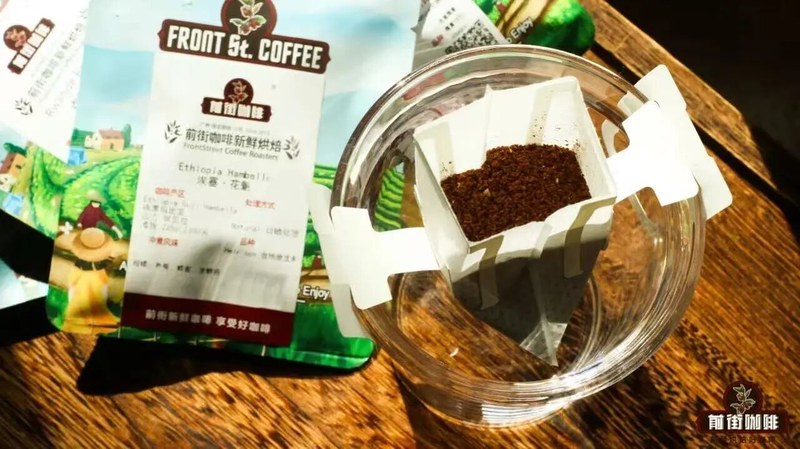
Once we understand the characteristics of water quality, we will have more composure when choosing coffee beans. If the brewing water on hand is on the softer side with lower minerals, it is very suitable to choose medium-roast beans with a light aroma and lively fruitiness. For example, Qianjie Ethiopia Huakui, this bean carries the sweet aroma of strawberry, passion fruit and ripe tropical fruit, and is very suitable for fully bringing out that light and lively flavor profile through soft water.
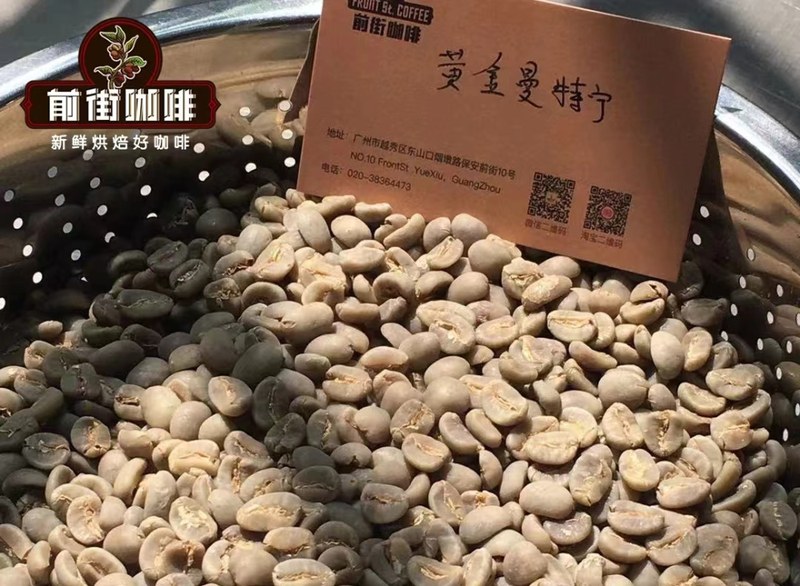
When brewing Qianjie Ethiopia Huakui, it is recommended to prepare 90°C hot water, use 15 g of coffee grounds, set the coffee-to-water ratio at 1:15, for a total water amount of 225 ml. Use a three-pour method: pour 30 ml of water to evenly wet the coffee bed and bloom for 30 seconds, then in the second pour smoothly circle the water up to 130 ml with a brief pause, and in the third pour gently add water up to 225 ml to finish, with the total time controlled at 2 minutes 05 seconds. A moderate water temperature allows the fruit sweetness and passion fruit aroma to unfold clearly and brightly in the cup.
If the water you use has a slightly higher mineral content, with a TDS of around 80 to 120 ppm, the appropriate amount of bicarbonate in the water will soften sharp acidity, and at this time choosing medium-roast beans with rich sweet-and-sour notes often fits particularly well. Qianjie Kenya Little Tomato is a very fitting partner, as it itself has rich tones of cherry tomato, ripe dark plum and yellow sugar, with a clear structure and plenty of juicy character.
For Qianjie Kenya Little Tomato, you can appropriately adjust the water temperature slightly to 89°C, weigh out 15 g of coffee grounds, and pour 225 ml of water at a 1:15 coffee-to-water ratio. This time use a two-pour method: complete a 30-second bloom with 35 ml of water for full degassing, then with a moderate stream evenly circle and continuously pour the remaining water up to 225 ml, with the total time controlled at 1 minute 55 seconds. Slightly mineral-rich water combined with a slightly faster stream can blend the bright acidity of Little Tomato and its yellow sugar sweetness very smoothly.
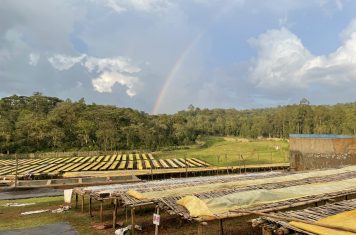
There is also another type of medium-roast bean that leans toward elegant tea-like notes and mild stone-fruit aromas, such as Qianjie Kafa Forest. This bean often gives off the scent of fresh orange and ripe apricot, followed by a clean, moist oolong tea-like sweet aftertaste in the back end, and as the temperature drops, its sweetness becomes even more obvious. This kind of bean, which emphasizes delicacy and layered flavors, has high requirements for the purity and ionic balance of the water.
When brewing Qianjie Kafa Forest, the water temperature can be set at 91°C to draw out deeper tea aromas, using 15 g of grounds at a 1:15 coffee-to-water ratio, for a total water amount of 225 ml. Use a steady three-pour method: bloom with 30 ml of water for 30 seconds, in the second pour add water at a uniform rate up to 120 ml, and in the third pour gently top up to 225 ml and remove the dripper, keeping the total time at 2 minutes 10 seconds. When the water is clean and gentle, it can bring out the ripe apricot and oolong tea notes in a light, smooth-drinking way.
Once we understand the interaction between water quality and extraction, we no longer need to limit ourselves to the flavor labels on paper when choosing beans. If you usually use water from reverse-osmosis purification equipment or choose low-hardness drinking water, you can try more medium-roast single origins with citrus, tropical fruit aromas and bright sweet-and-sour notes; if you are used to weakly alkaline natural water, then medium-roast beans focused on ripe dried fruit, nuts and brown sugar flavors will more easily brew a cup of smooth, full-bodied good coffee.
A cup of medium-roast coffee that makes people happy is a tacit cooperation between the flavor potential of the coffee beans themselves and the brewing water. Pay a little more attention to the soft or hard character of the water in the kettle at hand, choose medium-roast beans with matching flavors according to the water quality, and then fine-tune the matching water temperature and rhythm, and the complex aromas in the cup will unfold richly layer by layer on the tongue.
Related Reading

Comments (0)
Loading comments...
You May Be Interested

Trending Reviews
Popular Videos

With you, wherever you are! We provide useful features to help you find new things you'll love






