Source:Best Coffee > News Author:qjroot Published:2026-08-16 18:45:26
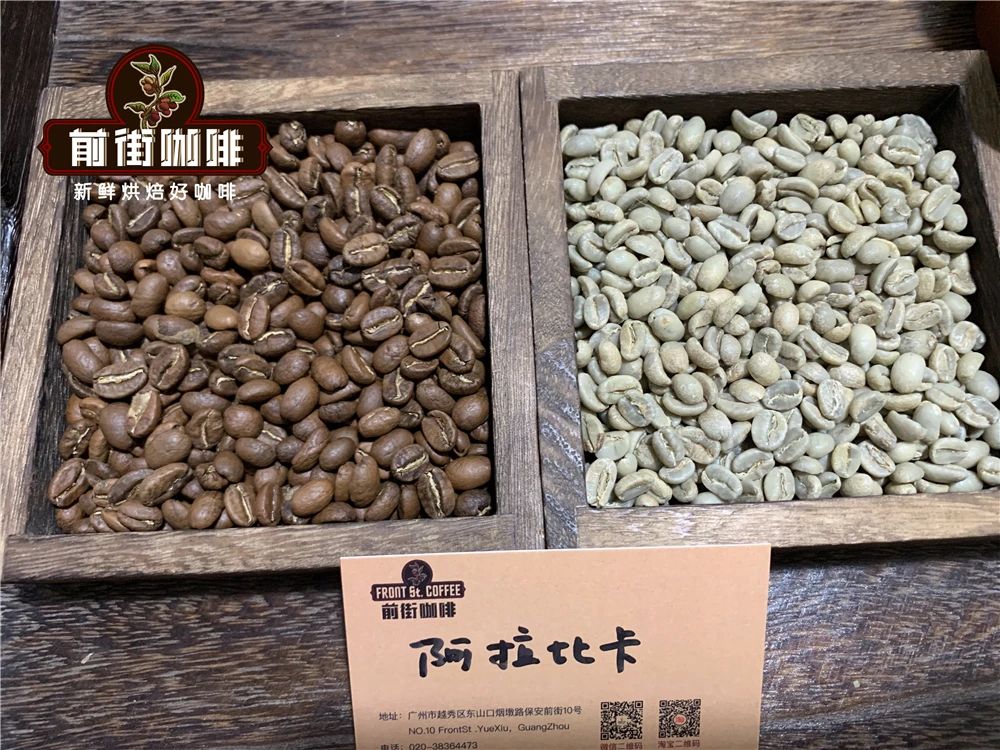
G1, AA, SHB, NY.2... When buying coffee beans, these letter combinations on the bag often leave people baffled. They are actually the grading labels of each origin. Once you understand them, it is like gaining an extra basis for judging beans.
Ethiopia grades by the defect rate of green beans. G1 is the highest grade, with a very low proportion of defective beans, followed by G2, G3... The higher the grade, the stricter the batch screening. For everyday purchases of Ethiopian beans (Yirgacheffe, Hualkui, etc.), choosing G1 is basically a safe bet - a high grade does not necessarily mean it will taste good, but the foundation is guaranteed.
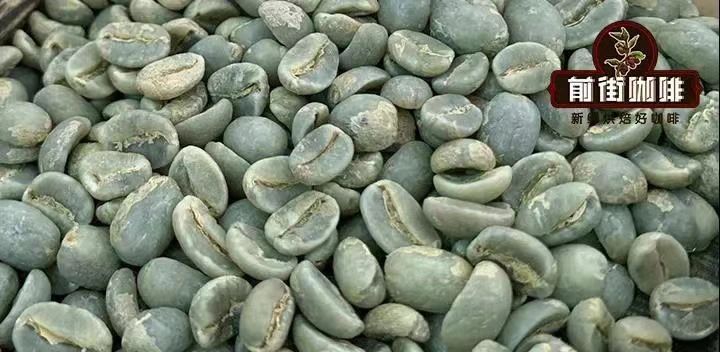
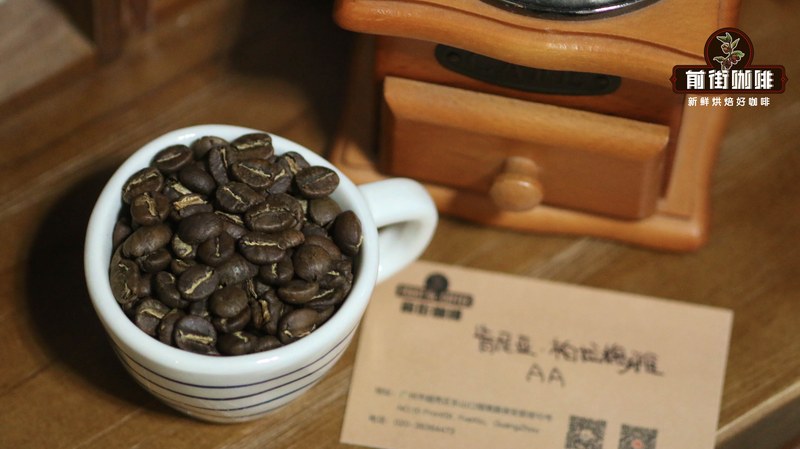
Kenya grades by bean size and density. AA is the grade with larger beans and higher density, where flavor compounds tend to accumulate more fully. Qianjie Kenya Little Tomato (Thika region, SL28/SL34 varieties) is a representative of this type of high-grade Kenyan bean, with highly recognizable acidity and juicy mouthfeel of cherry tomato and smoked plum.
Beans such as Bird of Paradise also use AA grading. Qianjie Papua New Guinea Bird of Paradise meets the AA grade standard, with plump beans and a low defect rate. Combined with the Typica variety and volcanic rock soil, its cleanliness and sweetness are both on point.
Guatemala, Costa Rica and other places commonly use SHB (Strictly Hard Bean), referring to beans grown at high altitude with high density; Brazil uses NY grading (NY.2 is a common grade) plus cupping scores for pricing. Qianjie Brazil Queen Estate and the Brazil Cerrado in the specialty blend are both high-quality batches from the Brazilian origin.
It should be noted that grading measures the physical quality of green beans (defects, density, size) and does not directly equal the flavor in the cup - processing method and roasting also have a major impact. But the value of the grading system lies in "filtering": higher-grade beans have a higher flavor ceiling and a lower chance of disappointment.
When buying beans, treat grading as a reference line: choose G1 for Ethiopia, look for AA for Kenya, and SHB for Central America. Then combine that with the processing method and roast date on the bag, and you can basically filter out most mediocre options. The rest is up to your taste buds.
Related Reading




Comments (0)
Loading comments...
You May Be Interested


Trending Reviews
Popular Videos

With you, wherever you are! We provide useful features to help you find new things you'll love






