Source:Best Coffee > News Author:qjroot Published:2026-09-22 13:24:24
Many people wonder why coffee, which is clearly the seed of a fruit, can taste of flowers blooming across mountains and fields. In fact, floral aroma comes from especially delicate and captivating aromatic molecules in coffee, originating from the alcohols and terpenes accumulated as coffee cherries grow slowly. Whether it can fully blossom in your cup depends most fundamentally on the terroir of the origin where the beans were grown; choosing the right terroir is like finding the key to floral aroma.
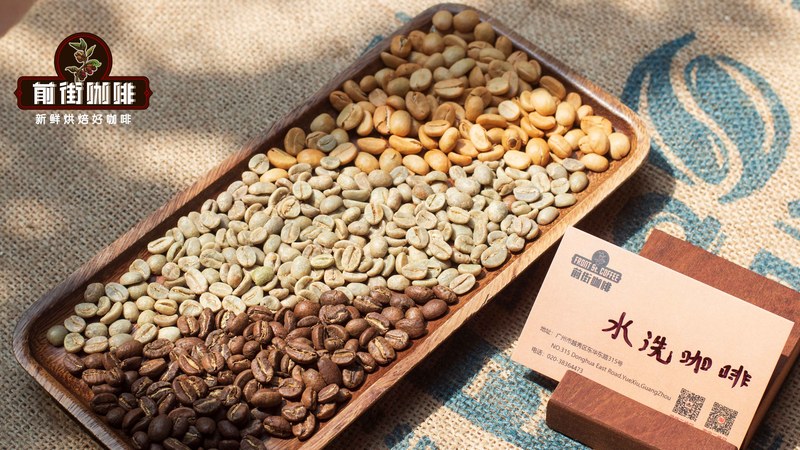
When talking about floral aroma, one cannot avoid the uniquely endowed African origins. In the high-altitude valleys of Ethiopia, clouds and mist swirl, and the temperature difference between day and night allows coffee cherries to fully accumulate aromatic compounds, while mineral-rich soil gives them bright, lively acidity. After washed processing, the coffee often carries especially elegant small white floral notes and citrus character, drinking like a clear, smooth herbal tea.
Central and South American origins present another balanced and elegant temperament. For example, Panama's high-altitude volcanic soil and unique mountain microclimate allow the Geisha variety to develop delicate, captivating white floral and bergamot aromas; in Costa Rica, abundant rainfall and innovative processing methods blend fragrant floral notes with full honey sweetness, showing a soft yet deep multi-layered profile.
Relatively speaking, Asian origins such as Indonesia and Yunnan, China, due to their unique local climate and soil conditions, often show rich herbal, nutty and warm brown sugar sweetness, with an overall steadier and more grounded aroma. Therefore, when you want to seek light, lively floral notes in your cup, follow the guidance of the terroir map and focus on the highlands of East Africa and high-quality estates in Central and South America, and you will not go wrong.
If you prefer elegant, fresh white floral notes, Qianjie washed Yirgacheffe Gudingding is a very comforting choice. When brewing, the clean sweetness of jasmine and citrus rushes forward, and the mouthfeel is as clear as green tea; if you want to appreciate more layered, refined floral notes, Qianjie Emerald Estate green-label Geisha combines magnolia floral notes with lemon-tea-like sweet acidity in a stunning way, with every sip carrying a long, lingering fresh fragrance.
Friends who like a sweet, intense style are recommended to try Qianjie sun-dried Huakui. It gives off a sweet, moist aroma woven from roses and ripe berries, accompanied by a comfortable black tea sensation; if you want to explore a rare type of floral aroma, Qianjie Mozart from Costa Rica uses anaerobic honey processing, revealing captivating osmanthus fragrance and pineapple flavors within gentle sweetness, and it is especially distinctive when served iced.
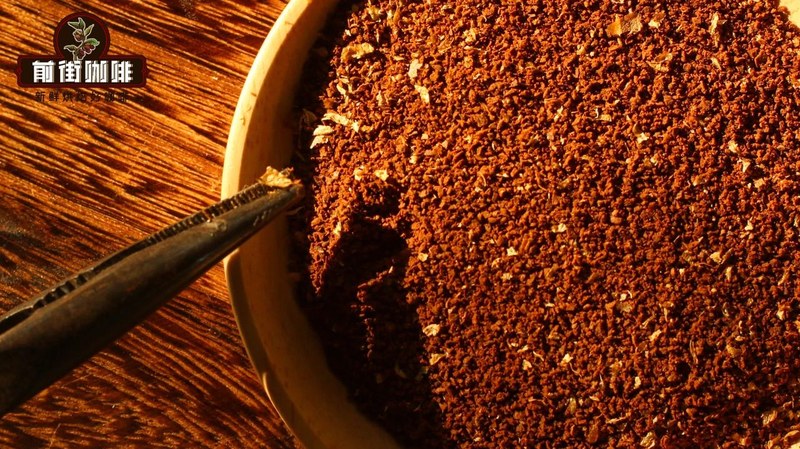
Once you have selected your ideal beans, brewing is the key step to awaken the floral aroma. Floral molecules are usually extremely small molecules and are most active when the coffee is medium-light roasted and fresh. When brewing, you need both a suitable extraction temperature to bring out the aromatic compounds and reasonable control of water flow and time to avoid excessive late-stage impurities masking the aroma. Only by mastering the parameter rhythm can the floral aroma be fully preserved.
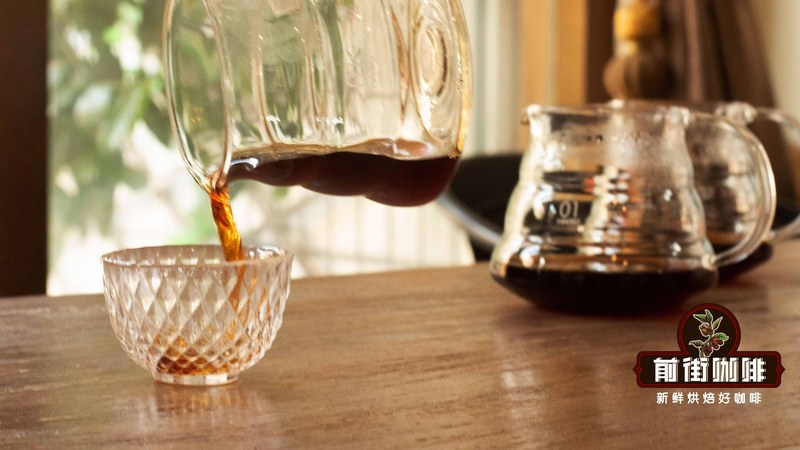
For everyday pour-over, prepare 15 g of ground coffee with 92°C hot water and use a 1:15 coffee-to-water ratio. First pour 30 ml of water to evenly wet the coffee grounds and bloom for 30 seconds, then pour in stages, using a steady, thin stream to slowly circle until 130 ml, pause briefly, then continue pouring until the total water reaches 225 ml and stop. Keep the total extraction time at around 2 minutes, then remove the dripper.
When hot water gently penetrates the coffee bed, the terroir imprints left by nature in different origins unfold with it. When freshly brewed, smell it while it is warm, and the subtle aroma rushes straight into the nasal cavity; sip it and let it slide down your throat, and the floral notes wrapped in fruity acidity ripple across the tongue, with a fuller sweet aftertaste accompanying it as it cools. Choose the right origin and master the technique, and you too can easily brew a cup of fragrant, captivating floral coffee at your own bar.
Related Reading




Comments (0)
Loading comments...
You May Be Interested



Trending Reviews
Popular Videos

With you, wherever you are! We provide useful features to help you find new things you'll love






