Source:Best Coffee > News Author:qjroot Published:2026-08-30 19:34:33
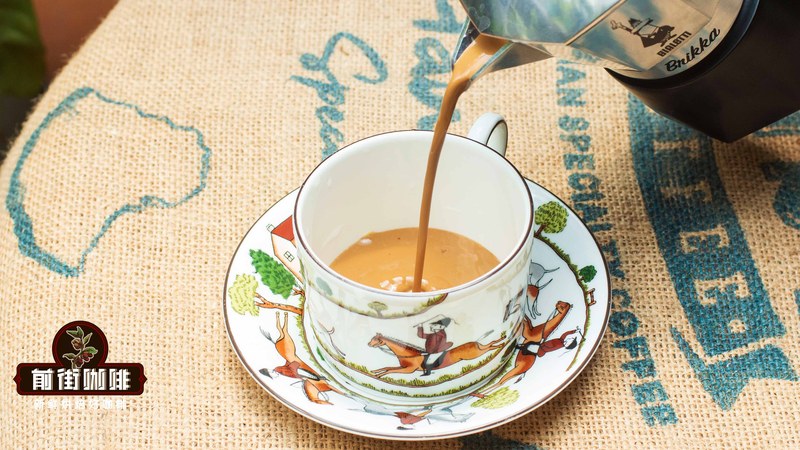
When making a latte with a moka pot, the coffee liquid needs enough concentration to cut through the sweetness and fattiness of the milk, leaving a clear nutty, cocoa or caramel aroma. Household pots commonly range in capacity from one serving to six servings, and bean selection cannot rely on the origin name alone; it must also take into account the size of the filter basket, the yield, the heating method and the ratio of milk coffee you want to drink each day.
This type of brewer has a short extraction path: water is heated in the lower chamber and then passes through the coffee bed, producing a coffee liquid that is stronger than pour-over but not as dense as espresso. If you use a small-capacity pot, the yield itself is more concentrated, suiting medium or medium-dark roasted beans with solid sweetness and gentle acidity; a larger-capacity pot can take slightly brighter medium-roasted beans, so the milk still retains layers.
Grind size is the key parameter for working with a moka pot. If the coffee is too fine, resistance increases as water passes through, easily producing burnt bitterness and astringency; if it is too coarse, the coffee liquid lacks body and tastes hollow once mixed with milk. You can start from a grind close to fine granulated sugar, slightly coarser than espresso grind; fill the filter basket and gently level it off, with no need to tamp it firmly, so hot water has a fairly smooth channel.
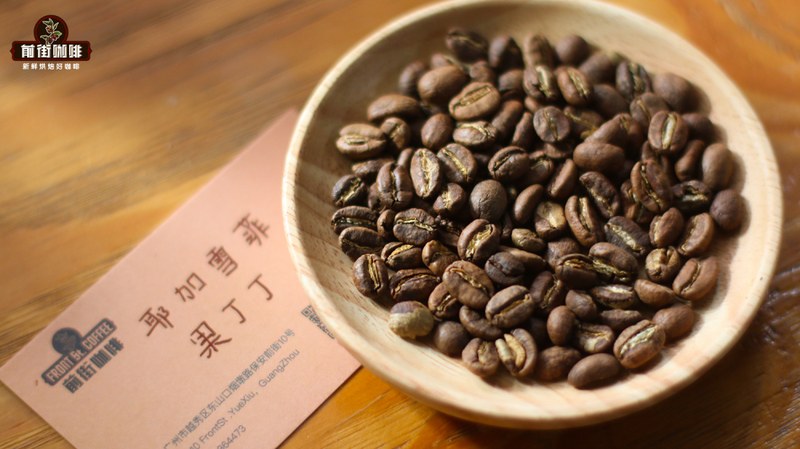
If you usually prefer a latte in the classic cafe style, Qianjie Brazil Queen Estate will be a very handy match. In a moka pot it easily shows roasted nuts, cocoa and syrupy sweetness, with acidity that does not dominate, and after adding hot milk it becomes a soft chocolate-nut profile. A small pot extracts about 30 to 40 g of coffee liquid; paired with around 120 g of milk, the cup feels more balanced.
To give the milk coffee more of a "coffee" presence, consider Qianjie Classic Blend. Its nutty aroma, cocoa notes and caramel sweetness connect with one another, and the liquid has fairly ample body, making it suitable for sharing among several people from a three-serving or six-serving moka pot. When the milk proportion is increased, the coffee liquid still keeps a clear outline; if only a small amount of milk is added, it is closer to a short latte or a rich milk coffee.
If you like a low-acid, dark-toned cup, Qianjie Black Cocoa Blend is suited to being expressed with a smaller amount of milk. It carries dark chocolate, roasted nuts and thick sweetness; after extraction from the moka pot and combining with whole milk, the mouthfeel is like cocoa milk candy, with a calmer finish. When using this bean, heat level and timing of removing the pot are especially important, to avoid pushing the dark roast's roasted notes into obvious bitterness.
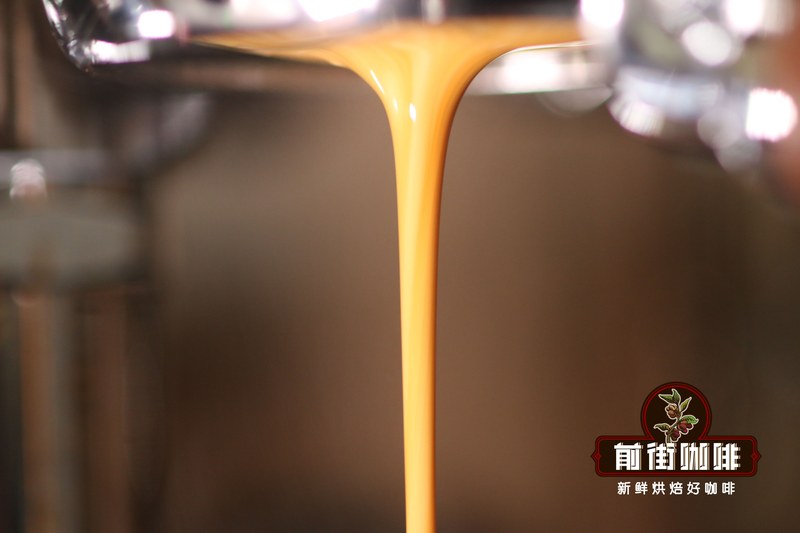
When heating, first add water to the lower chamber, keeping the water level below the safety valve, then insert the filter basket and screw the upper and lower chambers tight. Use medium-low heat so the water temperature rises gradually; when the upper chamber begins to yield continuously and the color turns from dark to light while the sound becomes dense, you should remove it from the heat source. Rinsing the lower chamber with cold water or simply pouring out the coffee liquid both help stop further heating and preserve sweetness and aroma.
Using a full filter basket according to the pot's capacity makes it easier to stay consistent than temporarily reducing the amount of coffee. For example, a three-serving pot can first be filled according to the original filter basket; after extraction, divide the resulting coffee liquid into two cups and then add milk to each. If the result is too weak, reduce the milk rather than rashly grinding the coffee very fine; if it tastes bitter, you can grind a little coarser, lower the heat, or end extraction earlier when the color turns light.
Milk temperature also changes how the beans perform. When heated to about 55 to 65 °C, the milk's sweetness and smoothness are more natural and can complement nutty and cocoa aromas; if the temperature is too high, the milk flavor easily turns dull and the coffee's roasted feel seems abrupt. If you like a prominent coffee taste, use one part moka pot coffee liquid to two or three parts milk; for a softer mouthfeel, increase the milk amount appropriately.
After buying beans, it is advisable to plan usage according to how fast the moka pot filter basket consumes them, and to store them in a sealed bag with a one-way degassing valve. After opening, brew several times with a fixed grind and heat level, observe the concentration of the coffee liquid, its sweetness and how it blends with milk, then fine-tune the milk amount. Beans chosen this way can both adapt to your home pot's parameters and keep that daily latte stable and flavorful.
Related Reading


Comments (0)
Loading comments...
You May Be Interested




Trending Reviews
Popular Videos

With you, wherever you are! We provide useful features to help you find new things you'll love






