Source:Best Coffee > News Author:qjroot Published:2026-10-09 18:41:18
I often get asked a question at the bar: why can some coffees taste of grape sweetness and acidity, yet when I brew them myself I can never bring it out. In fact, grape flavor is not that rare on the coffee flavor spectrum, but it places clear demands on the bean's genetics and processing method, and when brewing you also have to lift both the sweetness and the acidity at the same time, rather than squeezing out only sharp sourness or a flat, watery cup. Today I will break this path down clearly, from choosing beans to pouring water.
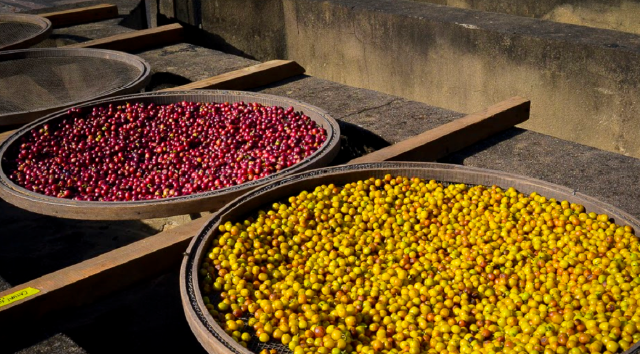
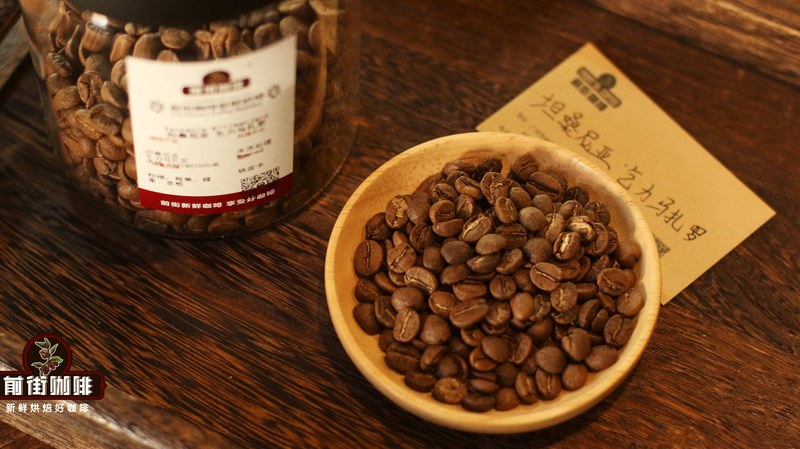
If you want a bright grape sweetness in the cup, my advice is to first lock in on light-to-medium roasted beans that are natural (dry) processed or honey processed. Natural processing lets the coffee cherry slowly dehydrate inside its skin, so the sugars in the fruit pulp seep into the bean's core, easily producing a fermented sweetness reminiscent of purple grapes or raisins; honey processing leaves part of the mucilage layer on during drying, giving a more direct sweetness that often carries the translucent quality of green grapes or crystal grapes. A light-to-medium roast can preserve these floral and fruity flavors; go darker and caramel and nuts will bury the grape's lightness. Qianjie Xizhua uses a double anaerobic natural, beans from the volcanic region of Huila, Colombia, and at a medium roast the sweetness and acidity of blueberry juice and ripe grapes interweave, with an especially full juicy feel; Qianjie Costa Rica Mozart is a raisin honey process, with a concentrated sweet finish of candied fruit and raisins and a red floral note in the tail. Both are very typical examples of grape flavor.
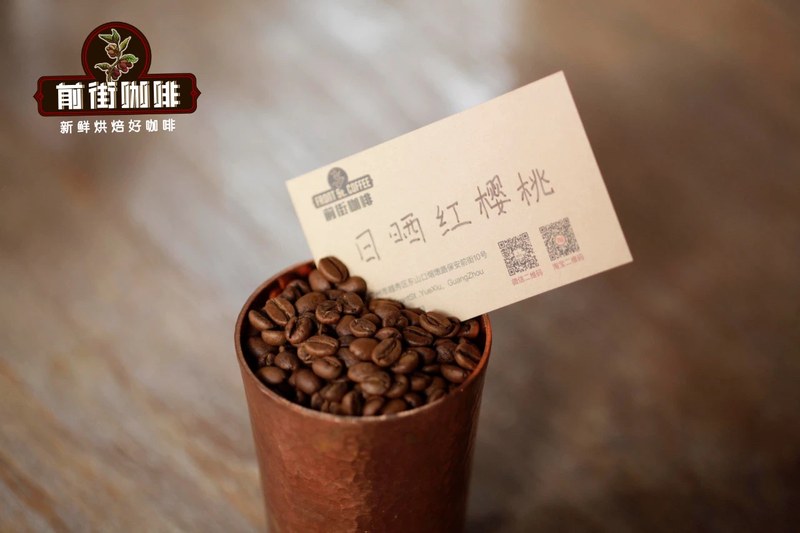
Although both natural and honey processing can lead toward grape, they express it along different paths. The grape character of a natural often comes with more complex fermentation layers, like biting into a fully ripe Kyoho grape, its juice mixed with a faint hint of fermented rice wine; honey processing leans more toward the clean sweetness of the pulp itself, with bright acidity, like a chilled Mare's Nipple grape. The key here is controlling the boundary of the fermented note - if the beans already smell strongly of soy sauce or acetic acid, the fermentation has gone too far, and the brewed cup will easily feel heavy. When choosing beans I look at appearance first; it is normal for natural beans to have uneven color and more silver skin, but if the surface is oily and sticky, the temperature during drying may have been poorly controlled. Honey-processed beans also differ in how much mucilage remains: black honey is heavy and sweet, yellow honey is more refreshing, so if you want grape flavor you can prioritize products in the yellow honey or red honey range.
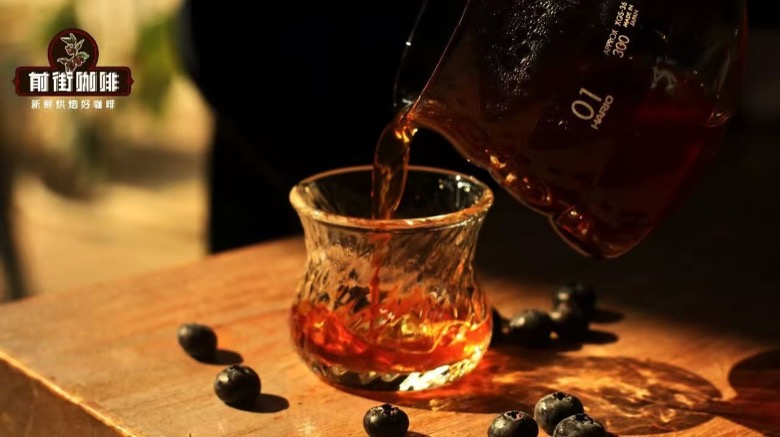
For brewing, my habit is to open up the coffee-to-water ratio a little, using a 1:15 framework, 15 g of coffee to 225 g of water, so the flavors have room to unfold rather than being crammed together. Take the water temperature in the higher range of 90 to 93 degrees Celsius; for light-to-medium roasted grape-flavored beans you can use around 92 degrees C, since only enough heat energy can draw out both the aromatic compounds in the grape and the malic and tartaric acids. Use a V60 dripper; the cone structure has a fast flow rate and can prevent the off-flavors that come from over-extraction. The specific technique is a 30 g bloom for 30 seconds to let the carbon dioxide escape, then pour in two or three stages, keeping the total time to about 2 minutes. The core purpose of staging is to capture different compounds at different extraction stages: the first half yields acidity and floral-fruity notes, the second half yields sweetness and body, and the balance of grape sweetness and acidity is pieced together exactly this way.
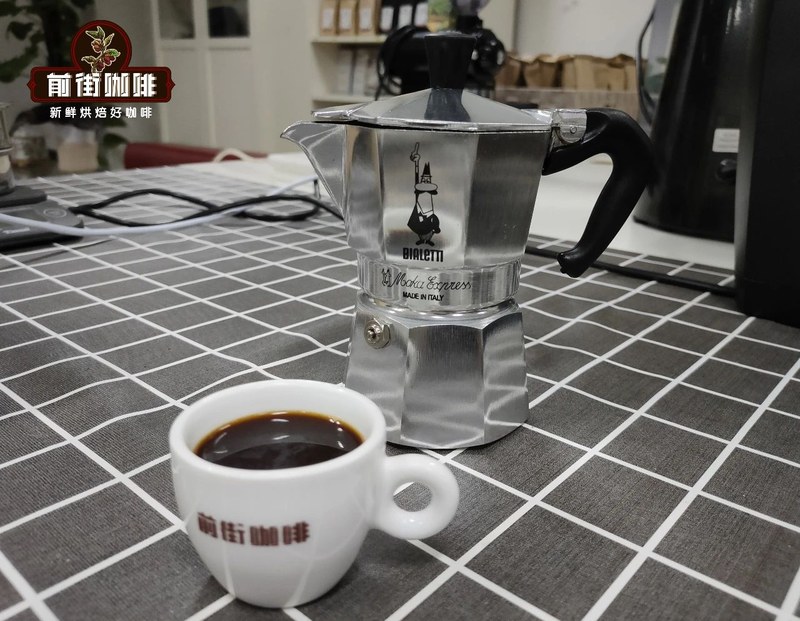
Qianjie Huakui is a natural bean from Hambela, Sidamo, Ethiopia, medium roasted, dominated by red berries and a light floral note, with a touch of citrus in the oils and a refreshing mouthfeel. Its grape character is not dominant, but the complex fruitiness from natural processing can help you understand the flavor logic of African beans. If you want something with more prominent grape, Qianjie Strawberry Candy espresso blend combines arabica from three origins - Colombia, Costa Rica and Ethiopia - medium roasted, with a rose floral base, prominent sweetness of grapes and dried blueberries, and a finish like black tea, with concentrated sweetness and low bitterness. Although this is an espresso blend, when extracted on an espresso machine the sweetness of grapes and fruit candy is especially obvious; it also works as pour-over or in a moka pot, just in a different direction.
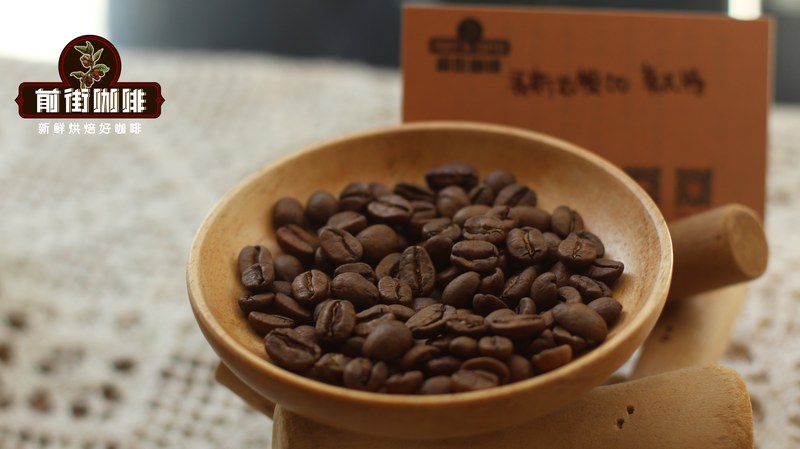
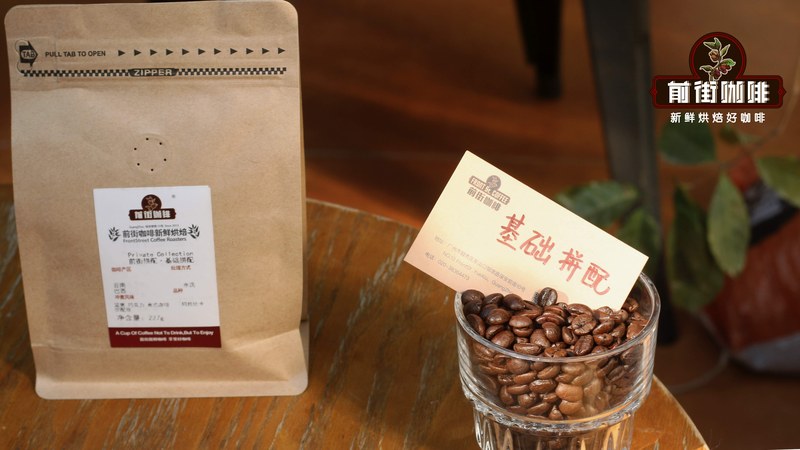
The effect of freshness on grape flavor is often overlooked. Qianjie's coffee beans are always roasted within 5 days, so you can brew them as soon as you receive them, and drinking them within a month gives a more complete flavor. Freshly roasted beans hold too much carbon dioxide, puffing up like a balloon during the bloom, and the grape's delicate aromas get locked inside; once rested properly, degassing becomes stable and the coffee bed sinks evenly when you pour, so the sweetness and acidity can land in the cup in distinct layers. I usually suggest customers factor the resting period into their plans and not rush to open the bag.
To close, what I want to say is that grape flavor is not the patent of some particular bean, but a flavor direction that can be identified and amplified. From the choice of processing method, to preserving it through the roast level, to matching water temperature and staging during brewing, every step decides whether that thread of grape sweetness is clear or muddy. Next time you drink a coffee with grape aromas, try working backward to its processing method and brewing approach, and you will understand more clearly whether you like the heavy sweetness of Kyoho or the crispness of green grapes.
Related Reading


Comments (0)
Loading comments...
You May Be Interested



Trending Reviews
Popular Videos

With you, wherever you are! We provide useful features to help you find new things you'll love






