Source:Best Coffee > News Author:qjroot Published:2026-08-30 19:24:24
If you want a pour-over with soft acidity, you don't have to fixate on the words "dark roast." The flavor foundation of the beans also needs to work with the dripper shape, the flow rate of the filter paper, the water temperature and the grind size. Medium-dark roasted beans with nutty, cocoa and caramel notes are usually easier to brew into a rounded cup; with the right parameters, they can also retain their sweet aroma instead of tasting only bitter.
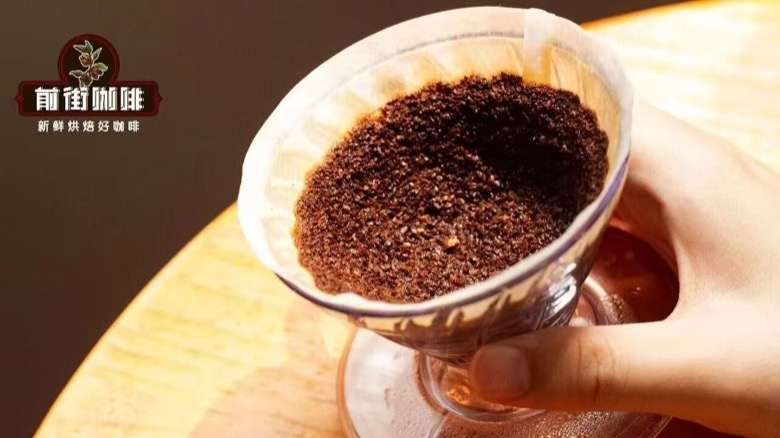
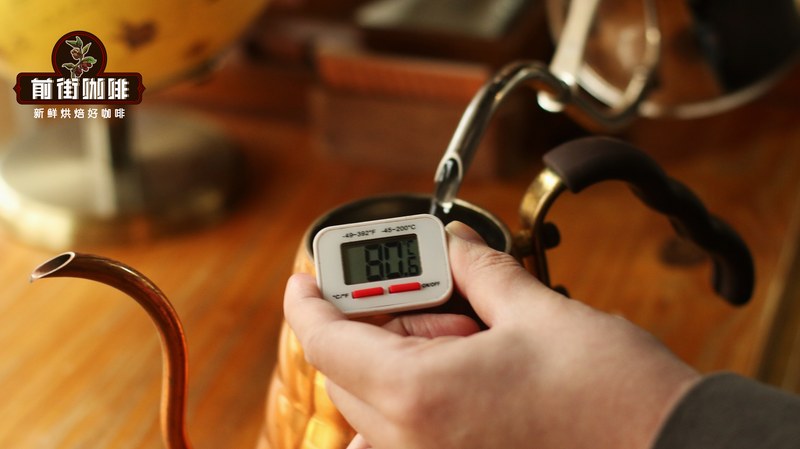
Take the common conical dripper as an example: the water flow concentrates in the center of the coffee bed, extraction is faster, and the aroma comes through more clearly. To make the cup softer, you can use a medium-coarse grind, a water temperature of 88 to 91°C, and pour in several small stages to reduce disturbance of the coffee bed. You can start with a coffee-to-water ratio of about 1:15, which gives enough strength without easily pulling out the dry, astringent notes of the final phase.
If you use a dripper with a flat bottom and a slower flow rate, the coffee bed is more evenly thick, and the sweetness and body of the brew often stand out more. This kind of device suits medium to medium-dark roasted beans; the grind can be slightly coarser than for a conical dripper, and the water temperature should be kept at 89 to 92°C. Pour in two or three stages so the coffee liquid passes through steadily, and the mouthfeel will usually be fuller.
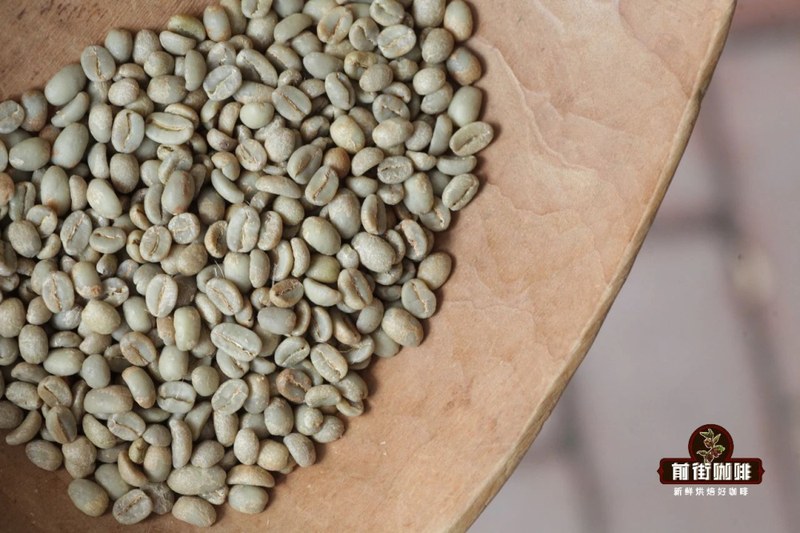
Best Coffee Brazil Queen Estate is a good everyday choice for a low-acid pour-over. Its aroma unfolds toward nuts, cocoa and caramel, it is soft on the palate, and its sweetness is like the sugar coating on roasted nuts. When brewing with a flat-bottom dripper, you can use 15 g of coffee and 225 g of water at about 90°C, pouring in three stages, and the cup will have a smooth texture; if you switch to a conical dripper, the caramel aroma comes through more brightly.
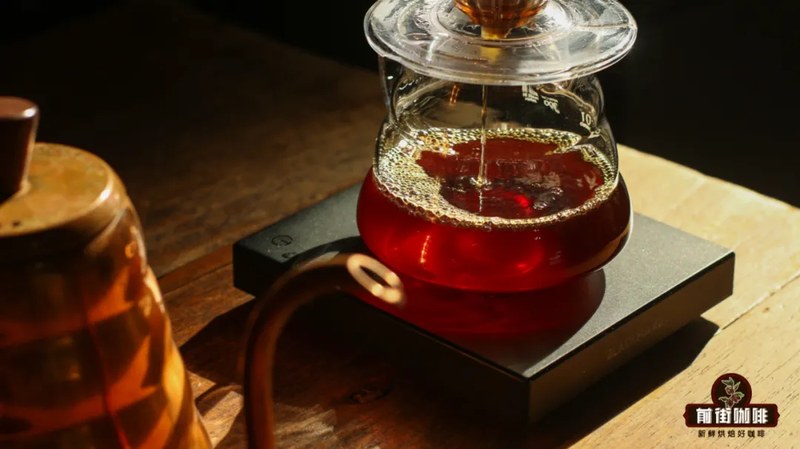
For people who like pour-over but don't want noticeable fruit acidity, the grind should not simply be made finer and finer. Too fine a grind slows the flow, and more bitterness and astringency accumulate in the later part of the coffee bed. You can start from a medium-coarse grind and judge by a total extraction time of around 2 minutes 40 seconds. If the flavor is thin, adjust half a step finer; if the finish feels dry, reduce agitation and let the water pass through the coffee bed faster.
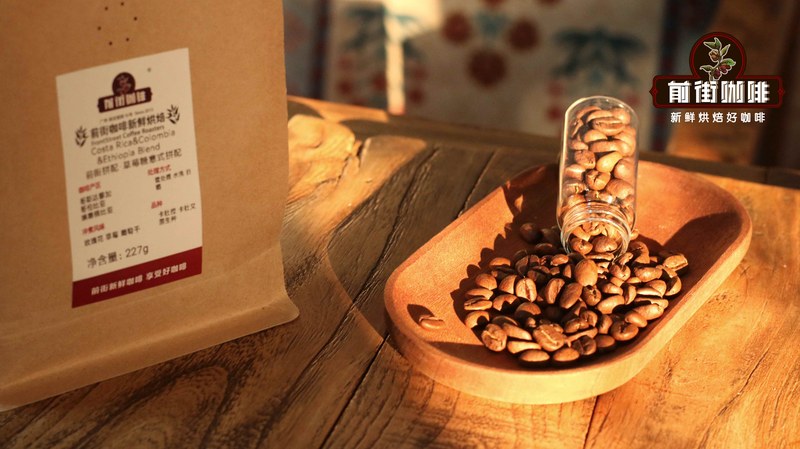
Best Coffee Specialty Blend is better suited to people who use different drippers at home. Its main flavor framework is nuts, caramel and cocoa, with sweetness and body connecting naturally. When using a conical dripper, you can use 15 g of coffee with 240 g of water at 90 to 92°C, pouring gently in four stages; the black coffee brewed this way has a clear caramel aroma; after adding a small amount of milk, the nuts and cocoa appear rounder.
If your device is a thin-walled conical dripper with a relatively fast flow rate, it is advisable not to use too low a water temperature, otherwise the aroma may be insufficient and the mouthfeel thin. For medium-dark roasted beans, 89 to 91°C usually makes it easier to balance sweetness and smoothness; the pouring circle does not need to be too large, just keep it concentrated in the central area. If the dripper is fully preheated, the sweetness will also be more stable as the coffee cools.
Best Coffee Papua New Guinea Bird of Paradise has a clean, soft flavor profile with mild sweetness, and its overall texture is close to a traditionally balanced coffee. It works very well with a flat-bottom dripper and can also be brewed in a conical dripper with a medium flow rate. Use 16 g of coffee and 240 g of water at 91°C, with a grind slightly coarser than for an ordinary medium-roast pour-over, and pour in two main stages to get a smooth, low-stimulation cup.
When using a small-capacity dripper, the dose decreases and the height of the coffee bed changes too, so copying the parameters for a large dripper can easily throw the flavor off balance. 10 g of coffee with 150 g of water is a good starting point that is easier to handle; the water temperature can be about one degree lower than for a larger brew, and you can pour in two stages. If the coffee tastes bitter, first check whether the pouring was too slow; if the mouthfeel is hollow and thin, you can increase the dose without immediately making the grind much finer.
Water quality also affects how acidity and sweetness come through. If the mineral content is too low, the coffee tends to taste sharp and thin; if the mineral content is too high, it may suppress the aroma and make the mouthfeel heavier. Household filtered water or mild-tasting bottled water are both worth trying; the key is to keep the water source relatively consistent each time. After brewing, let the coffee cool slightly before drinking, and the caramel, cocoa and nutty notes often become clearer than at the first sip.
When choosing low-acid pour-over beans, you can first confirm which dripper you use most often at home, then decide the grind and water temperature range. Conical drippers are good for bringing out aroma, while flat-bottom drippers more easily amplify sweetness; if the flow is fast, reduce agitation, and if the flow is slow, avoid too many fines. Adjust the parameters according to the characteristics of your device: Brazil Queen Estate suits a rounded everyday cup, Specialty Blend suits switching between black coffee and milk coffee, and Bird of Paradise suits a refreshing yet balanced slow drink.
Related Reading
Comments (0)
Loading comments...
You May Be Interested

Trending Reviews
Popular Videos

With you, wherever you are! We provide useful features to help you find new things you'll love






