Source:Best Coffee > News Author:qjroot Published:2026-10-09 10:19:48
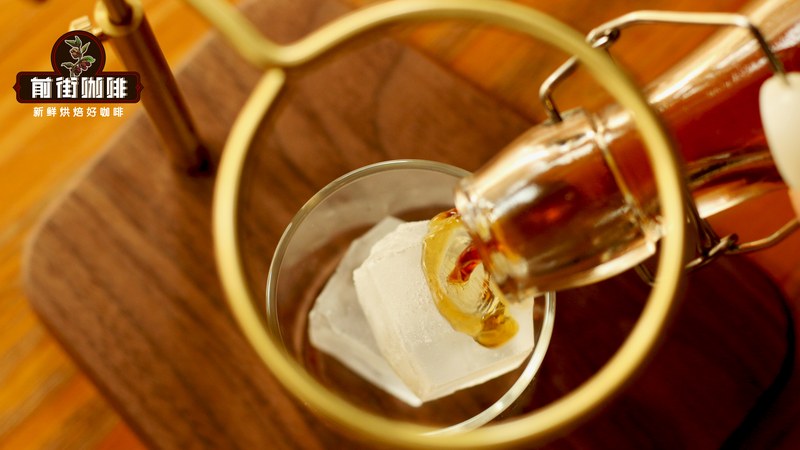
Water temperature is the soul switch of cold brew, yet it is often casually tossed into the fridge and forgotten. In fact, cold brew does not have to be a low-temperature steep only; the hot-water extraction stage before brewing directly frames the direction of the flavor. Light-roast beans are like delicate perfume, needing a higher water temperature to coax out floral and fruity aromas; medium-dark roast beans are like steady aged tea, and a high water temperature blasts out charred-wood bitterness. Once you understand this line, the creative ways of drinking cold brew are truly unlocked.
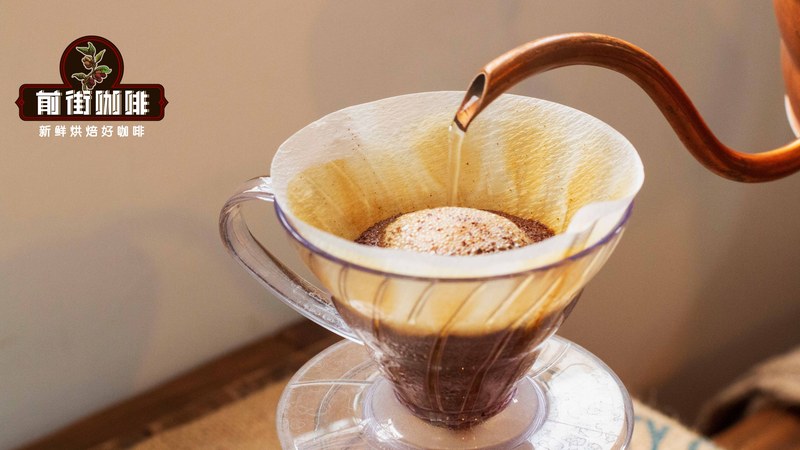
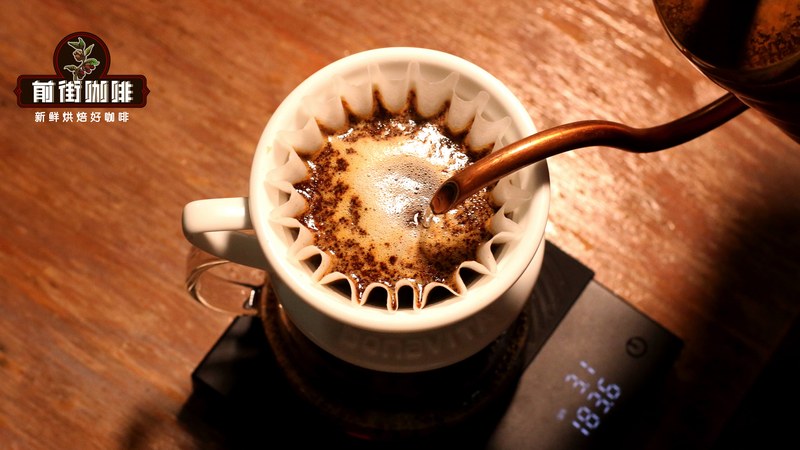
In the pour-over context, light-roast beans are recommended at a water temperature of 90 to 94°C. Take Qianjie sun-dried Huakui as an example: 15 g of grounds, a 1:15 coffee-to-water ratio, first pour 30 ml of water to bloom for 30 seconds, then pour in stages up to 225 ml, with the total time controlled at around 2 minutes. The hot coffee brewed this way has bright fruit acidity, and after being poured over ice to cool quickly and used as a cold brew base, the berry sweet-tartness collides with peach flesh, making it especially refreshing and juicy.
Medium-dark roast beans, on the other hand, should be treated gently, with the water temperature lowered to 86 to 89°C. Qianjie Queen's Manor uses the same pour-over parameters, but after lowering the water temperature, the rich thickness of dark chocolate is steadily supported, and there is no off-putting burnt bitterness. If the water temperature is too low, medium-dark roast beans instead tend to turn sour and astringent, like undercooked chestnuts, with the aroma trapped inside and not fully released.
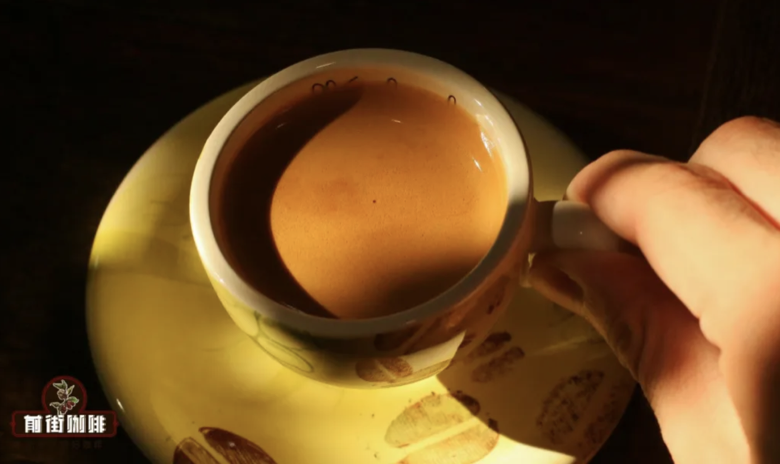
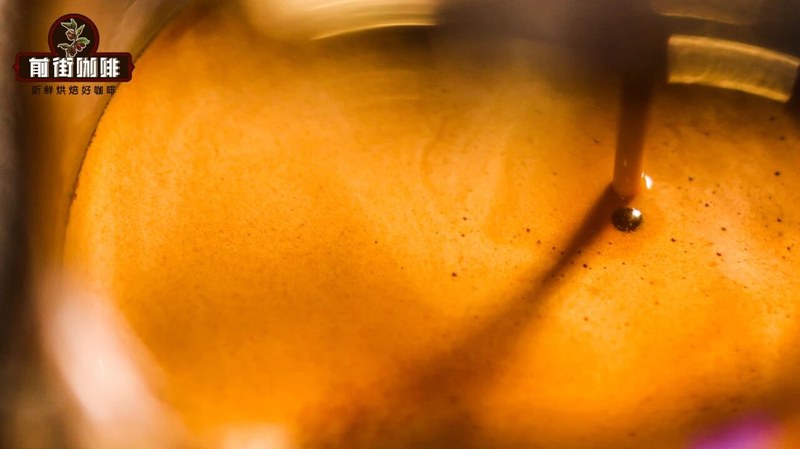
The espresso system has another set of logic. 18 to 19 g of grounds, extracting 36 to 38 g of espresso, with the time held at 25 to 28 seconds. When Qianjie PWN Qianjie Mandheling is used for espresso, the water temperature is usually set at around 92°C, slightly higher than for pour-over but not burnt or bitter because of the high-pressure short-time extraction. This espresso mixed with ice water to make a cold brew Americano highlights the creamy chocolate density especially well, and adding milk will not let the milk fat steal all the attention.
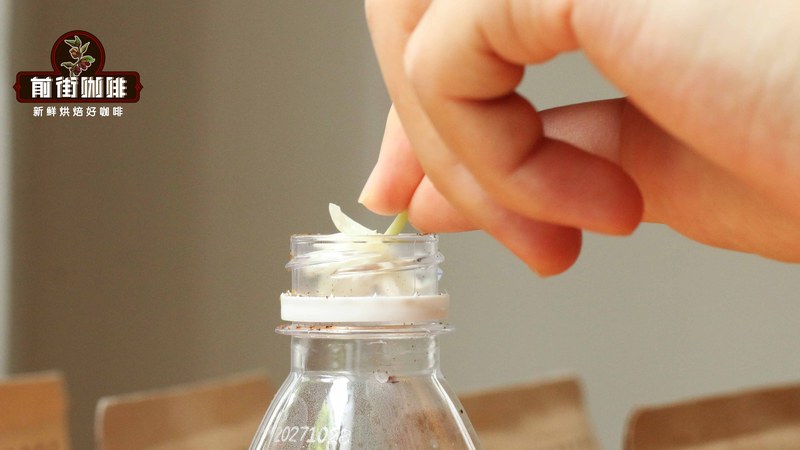
Moka pot users can create an even richer cold brew base. Fill the lower chamber with 80 to 140 ml of water, heat over medium-low heat, and the extraction time is 1 minute 15 seconds to 2 minutes 30 seconds. When Qianjie Mozart is extracted with a moka pot, the raisin sweetness is pressed more concentrated by the high-temperature steam, and after cooling it is mixed with osmanthus or dried jasmine and refrigerated overnight. The compatibility between the floral notes and the coffee is stunning, like walking into an early summer orchard.
When choosing beans, you also have to look at how tolerant the beans are of water temperature. Some beans are unrecognizable with a 2-degree temperature deviation, while others are like good-tempered old friends who can chat whether high or low. Qianjie Guodingding belongs to the latter: with pour-over, a slightly higher temperature gives jasmine tea with sweet orange, while a slightly lower temperature makes the citrus tone brighter. When making cold brew with coconut water, this tolerance lets you taste a strawberry gummy-like sweetness even without precise temperature control.
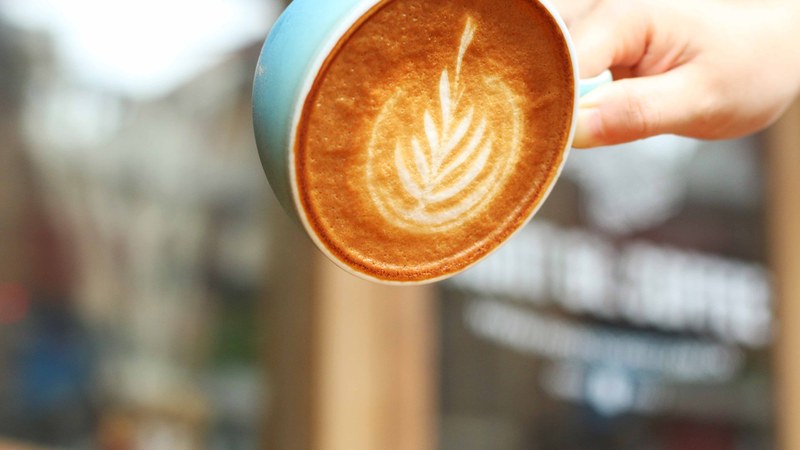
Adding fruit to cold brew is the least brainpower-intensive upgrade. The grape aroma of Qianjie Xizhua meets blueberry, and the low-temperature slow extraction makes the two seem like neighbors who have known each other for years, naturally familiar. Cold brew with preserved plum is a Chinese-style surprise: the purple perilla and raspberry character of Qianjie Huahudie, hooked by the salty sourness of the preserved plum, unexpectedly extends into a cherry-like complex finish, with very rich layers.
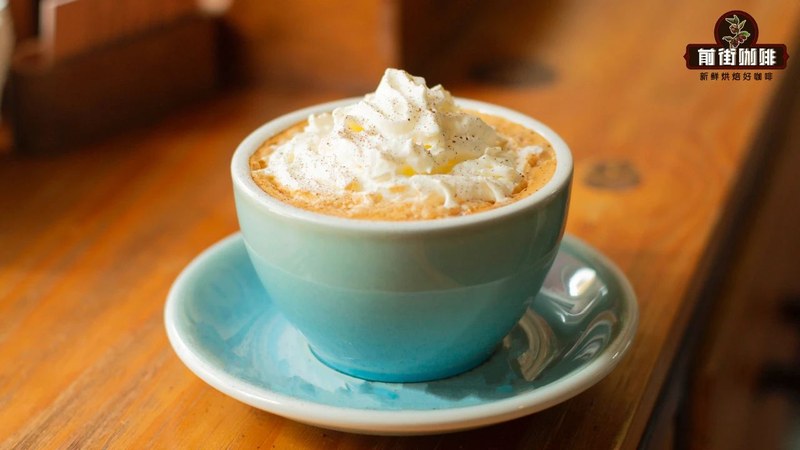
Milk cold brew needs the right beans so it does not fail. Milk fat and protein easily cover the coffee flavor, and only the heaviness of medium-dark roast beans can contend with it. When Qianjie Queen's Manor or PWN Qianjie Mandheling is used as the cold brew base, what you taste after adding milk is liquid chocolate cake, smooth and silky, with any sense of impurity gently subdued by the milk fat.
Coconut water cold brew has been a favorite in recent years. Qianjie Strawberry Candy is cold-brewed at a 1:10 coffee-to-water ratio, then mixed 1:1 with iced coconut water. Every sip has both the sweetness of raisins and the light fragrance of coconut, and the slight saltiness of the minerals makes the sweet-tartness more three-dimensional. This way of drinking has high tolerance for water temperature, because cold brew itself already trades time for space, and small mistakes in water temperature are smoothed over by the long steep.
When choosing beans, first ask yourself: today do I want the refreshing taste of flowers and fruit, or the grounded comfort of dark chocolate and milk? Once the flavor direction is set, work backward to the water temperature range, and the creative map of cold brew unfolds in your hands. The glass pitcher in the fridge is no longer just a caffeine tool, but a private drink-mixing station whose flavors change with the seasons.
Related Reading

Comments (0)
Loading comments...
You May Be Interested

Trending Reviews
Popular Videos

With you, wherever you are! We provide useful features to help you find new things you'll love






