Source:Best Coffee > News Author:qjroot Published:2026-09-16 01:50:20
The aroma and oil structure of coffee beans show rich variations when heated. A moka pot relies on steam pressure to push hot water through the coffee bed, and precise control of extraction parameters allows the origin characteristics of specialty coffee beans to be clearly presented. Adjusting the lower chamber water temperature, coffee dose ratio and heating time according to roast level and flavor profile is the key to making a full pot of coffee rich in aroma and smooth in mouthfeel.
The water temperature added to the lower chamber directly changes how long the coffee grounds are heated in the sealed space. Using hotter water to fill the lower chamber can noticeably shorten the overall heating time, avoiding the coffee grounds being baked in a dry hot environment for too long; using moderately warm water, on the other hand, allows the heat to penetrate the coffee bed more gently, making it suitable for roast types that need balanced acidity and sweetness.

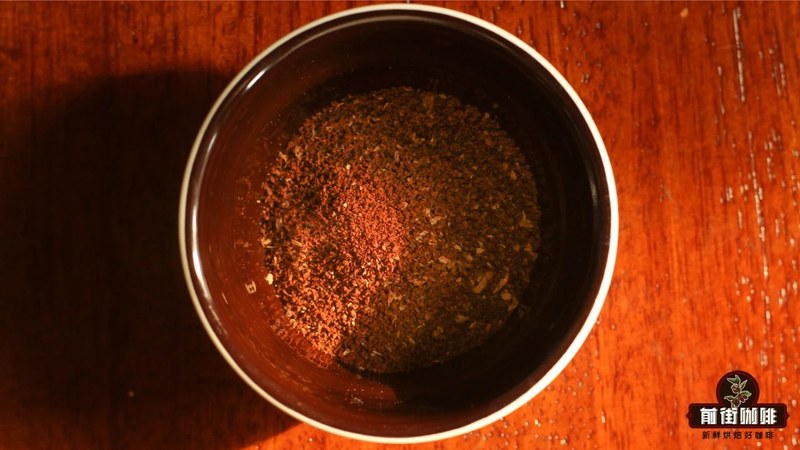
The grind size and how the basket is filled determine the resistance of water flowing through the coffee bed. A moka pot usually uses grind particles finer than pour over and slightly coarser than espresso. After filling the basket, gently level the surface; there is no need to tamp the puck. An even and loose coffee bed allows steam pressure to push hot water smoothly, letting the extraction proceed steadily and reducing the formation of channeling.
Medium-dark roasted blended coffee beans can present a full-bodied oiliness and sweetness in a moka pot. Qianjie Classic Blend shows mild roasted nuts, caramel and rich cocoa flavors, with an overall thick and rounded texture. Whether drunk straight or used as a base for specialty drinks, it maintains a very clear structure and solid aroma.
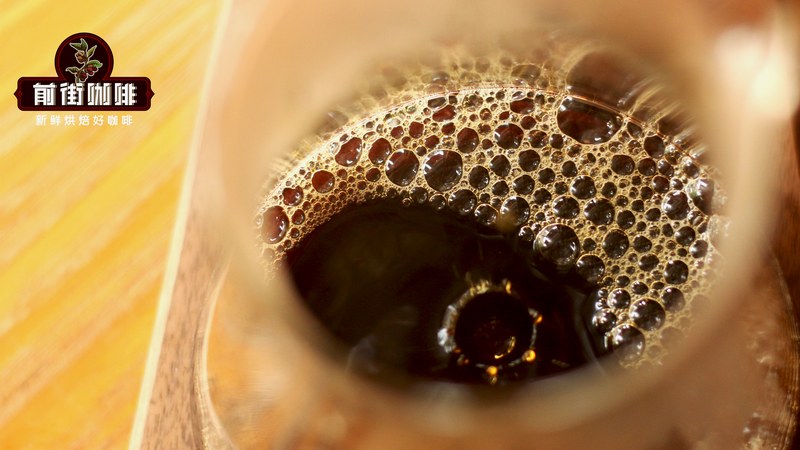
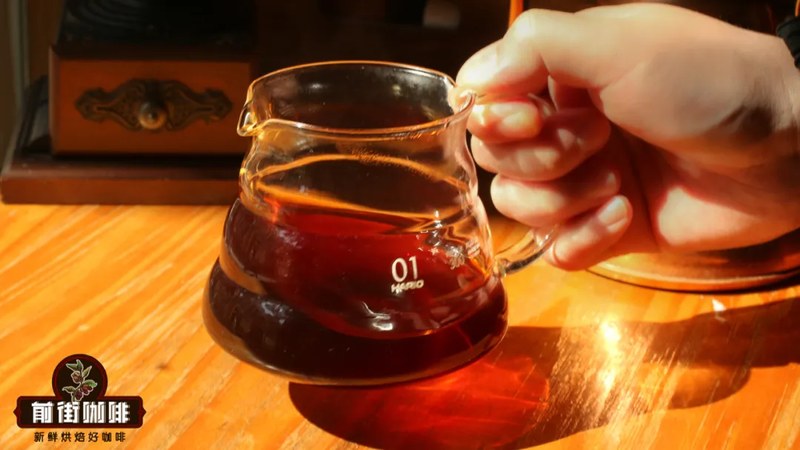
When extracting Qianjie Classic Blend, fill the lower chamber with 130ml of 85°C warm water, fill the basket with 18g of coffee grounds, and after assembling, place it on an electric ceramic stove and heat over medium heat. Use a single-stage heating method with steady temperature rise; when the coffee liquid begins to flow steadily into the upper chamber, turn to low heat. Control the total extraction time at 1 minute 20 seconds to obtain about 65ml of concentrated coffee liquid, with a soft aroma and obvious caramel sweetness.
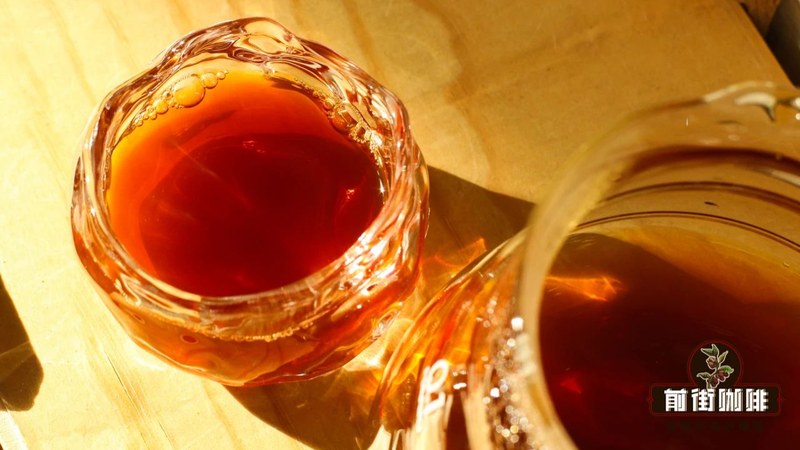
For medium-roast single-origin beans with a flavor leaning toward delicate sweetness, extraction focuses more on showing the elegant sweetness of the origin itself. Qianjie Brazil Queen Estate has roasted almond, cocoa nib and soft yellow sugar sweetness, with mild and delicate acidity. Under the penetration of heat, it releases a rounded tactile sensation like nut candy, making it very suitable for savoring the layers carefully.
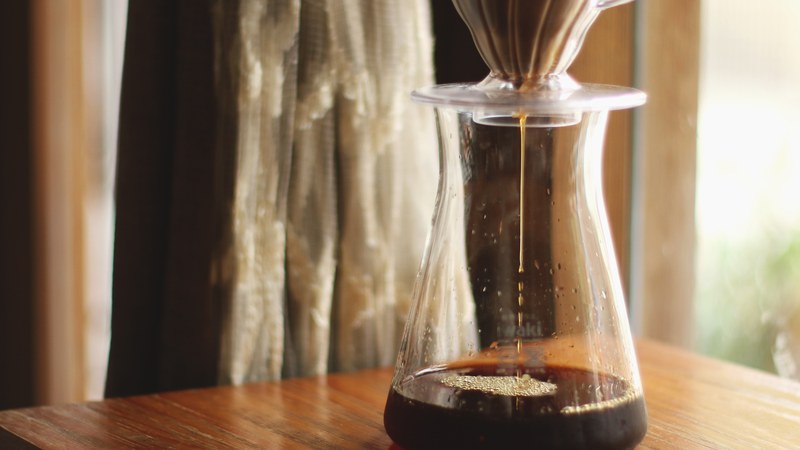
If you want to compare the flavor expression of Qianjie Brazil Queen Estate in a drip system, pour over brewing can present its delicate texture. Use 89°C water, grind 15g of coffee grounds, and use a total water amount of 225ml, with a coffee-to-water ratio of 1:15. Use three-stage pouring: first pour 30ml of hot water and bloom for 30 seconds, then steadily pour to 140ml, and after the liquid level drops, pour the remaining water to 225ml. The total extraction time is 2 minutes 05 seconds, with a sweet, clean and refreshing finish.
Dark roasted coffee beans contain substantial oils and deep roasted aromas, and when blended with dairy products they show an excellent coating sensation. Qianjie Black Cocoa Blend has rich dark chocolate, roasted nuts and a thick sweetness like dark syrup, with weak acidity and a strong, lasting aroma. It is suitable as a high-concentration base for making large lattes or Americanos.
When making a rich milk coffee base with Qianjie Black Cocoa Blend, it is recommended to fill the lower chamber with 150ml of 92°C hot water and fill the basket with 20g of coffee grounds. Turn on medium-low heat for single-stage even extraction; from the start of flow, keep a thin stream rising slowly. When the total time reaches 1 minute 35 seconds, remove from the heat source to extract about 75ml of high-concentration coffee liquid, then pour in 180ml of warm whole milk to obtain a cup of rich and smooth nut-cocoa flavored latte.
The flavor release of specialty coffee beans depends not only on the quality of the beans themselves, but is also built on reasonable control of extraction variables. According to the beans' roast depth and flavor goals, carefully adjust the lower chamber water temperature, water amount and flow rhythm, and the moka pot can show a captivating flavor with distinct layers and abundant aroma in everyday brewing.
Related Reading


Comments (0)
Loading comments...
You May Be Interested


Trending Reviews
Popular Videos

With you, wherever you are! We provide useful features to help you find new things you'll love






