Source:Best Coffee > News Author:qjroot Published:2026-09-18 16:53:07
In a brewed cup of coffee, water accounts for more than 98 percent of the total, and the influence of water quality on the final flavor in the cup is often more direct than one might imagine. The calcium and magnesium ions in water act as helpers that grab onto coffee's aromatic compounds, and their content determines the extraction yield and the direction of the flavor. If the water is on the hard side, too much calcium can easily make fresh fruit acidity taste dull and even bring out astringency; if the water is too soft, although the acidity is bright, the mouthfeel may seem hollow and lacking in structure.
When brewing specialty coffee at home, even if tap water has been boiled, residual chlorine and relatively high total dissolved solids can easily rob the coffee of its clarity. If you want to fully bring out the delicate flavors of the coffee beans, choosing natural spring water or purified water will save you a lot of trouble. Natural spring water with total dissolved solids in the 50 to 100 range contains a moderate amount of minerals, which can both support the coffee's sweetness and body without masking the refined floral and fruity aromas of light-roasted beans.
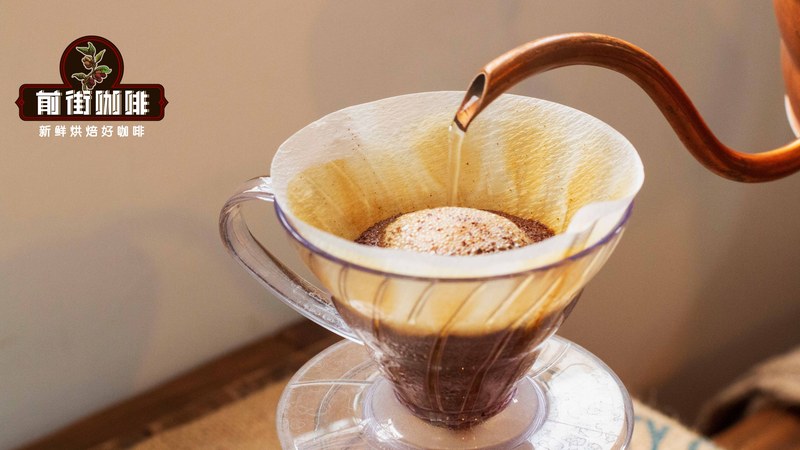
This is especially true for high-quality coffee beans with a honey-processing style or abundant sweetness, where the large amount of sugar locked into the mucilage layer during drying is particularly sensitive to water hardness. Brewed with water that has a balanced calcium-to-magnesium ratio, that honeyed sweetness and ripe-fruit aroma wrapped in fruit acidity become especially mellow and smooth. If you have chosen beans for their rich fruity aromas and sweet-toned character, pairing them with water of moderate hardness will let the layers of the whole cup unfold completely.
If you have chosen a bean that emphasizes delicate aromatics, such as Qianjie Panama Hacienda La Esmeralda Red Label Geisha, the water should lean as pure and soft as possible. This bean has elegant jasmine florals, bergamot notes and a long, lingering citrus black-tea-like resonance, and if the water is too hard, the slender floral notes are easily suppressed. Brewing with softer water with total dissolved solids between 40 and 60 lets the black-tea character and florals flow out like a clear spring.
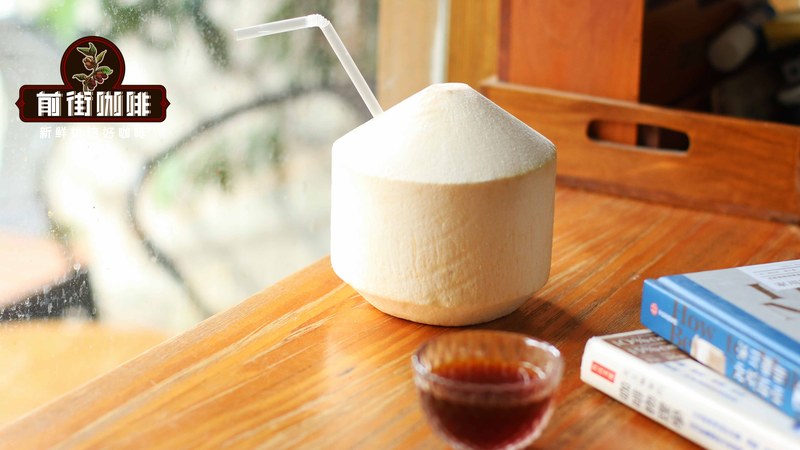
When pouring over Qianjie Panama Hacienda La Esmeralda Red Label Geisha, you can set the water temperature to 91°C, take 15g of coffee grounds ground to medium-fine, prepare 225ml of hot water, and use a three-pour method. First pour 30ml of hot water and let it bloom gently for 30 seconds, then pour 95ml at a steady rate in the second stage and pause at the 125ml mark, and after the water level drops, pour the final 100ml to reach 225ml, keeping the total time to 2 minutes 05 seconds. A cup brewed this way has quiet, elegant florals and a particularly clear, delicate citrus acidity.
If you prefer lively, bright berry flavors, when choosing beans you might look at Qianjie Yirgacheffe Gutingding. This bean has fresh citrus, strawberry and red berry sweet-and-sour notes, with a finish of green-tea-like sweetness. A small amount of magnesium ions can help amplify its sweet, luscious ripe-berry texture, while lower bicarbonate content preserves the bouncing fruit acidity, making it drink like a bright, vivid juice.
To brew Qianjie Yirgacheffe Gutingding, you can use a water temperature of 92°C, 15g of coffee grounds, and pour 225ml of hot water. In terms of technique, use a two-pour method: first use 30ml of water to fully wet the coffee bed and bloom for 30 seconds, then steadily circle from the center outward, pouring in one go to 225ml and stopping, keeping the total time at 1 minute 55 seconds. Softer natural water lets the clean sweetness of citrus and red berries leap fully, and the green-tea-like finish becomes even longer.
If you like intense tropical-fruit character, Qianjie Ethiopia Huakui will be a very satisfying choice, as it has complex ripe strawberry and passion fruit aromas and quite full sweetness. When brewing this bean, the water's total dissolved solids can be raised slightly to between 70 and 90, and the moderate mineral content in the water is just enough to wrap around the lively fruit acidity, making the thick strawberry-jam sweetness seem richer and more solid.
For the characteristics of Qianjie Ethiopia Huakui, it is recommended to set the water temperature at 90°C, weigh out 15g of grounds, use a total of 225ml of water, and pour in three stages. Pour 30ml of water for a 30-second bloom, pour 90ml in the second stage to drive even extraction through the coffee bed, and pour 105ml in the third stage for a steady finish, keeping the total time to 2 minutes 10 seconds. A lower water temperature combined with water of moderate mineral content can release the passion fruit aroma and candied-fruit sweetness layer by layer.
Choosing coffee beans and choosing brewing water is essentially a fun exercise in aroma pairing. If you like lifted florals and a clear tea-like character, you can choose more light-roasted high-altitude washed beans and pair them with low-mineral soft water; if you want to savor the ripe-fruit sweetness in honey-processed and refined natural coffees, you might pick single-origin beans with prominent sweetness and pair them with crisp natural spring water. Change to a suitable pot of water, and the rich flavors originally hidden in the beans can fully awaken in the cup.
Related Reading



Comments (0)
Loading comments...
You May Be Interested


Trending Reviews
Popular Videos

With you, wherever you are! We provide useful features to help you find new things you'll love






