Source:Best Coffee > News Author:qjroot Published:2026-09-16 02:16:21
The strengths of Brazilian coffee beans often unfold across notes of nuts, cocoa, caramel and a soft sweetness. They are not suited to just one brewing method: pour-over can amplify the aroma and sweetness, espresso can produce a full-bodied shot, and a moka pot suits those who want an intense mouthfeel. When choosing beans, you should first look at the equipment you use most often, then decide the direction of the flavor profile.
If you mainly drink black coffee, look for Brazilian beans roasted at a light-to-medium to medium level; with a little adjustment to grind and water temperature, the nutty aroma will not seem dull and the caramel note will be clearer. If you often make lattes, choose a medium-dark roast so the shot has more body and still retains cocoa and roasted sweetness in the milk.
To get started with the Brazilian style, you can look at Qianjie Specialty Blend, which is based on the flavor of the Brazilian Cerrado and incorporates the sweetness and layers of other beans, so the cup tends to show nutty, caramel and cocoa notes. This flavor profile suits everyday pour-over and can also extend to espresso and milk coffee, with a fairly wide margin for adjustment.
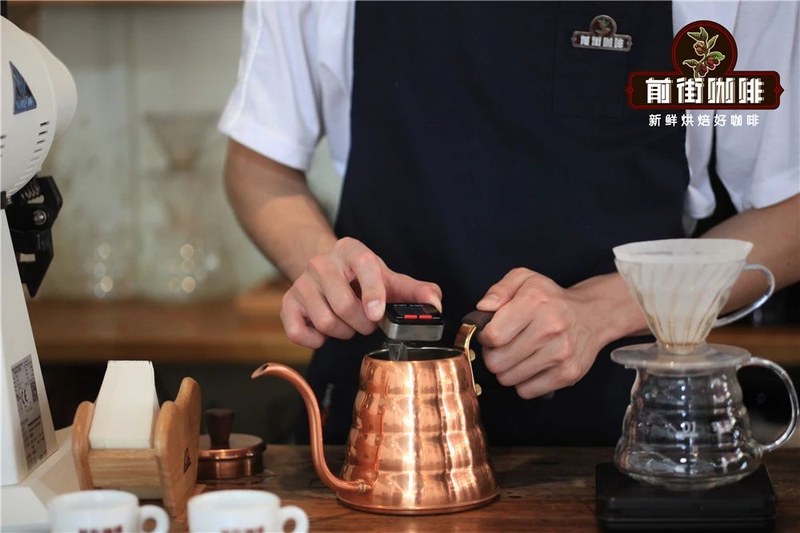
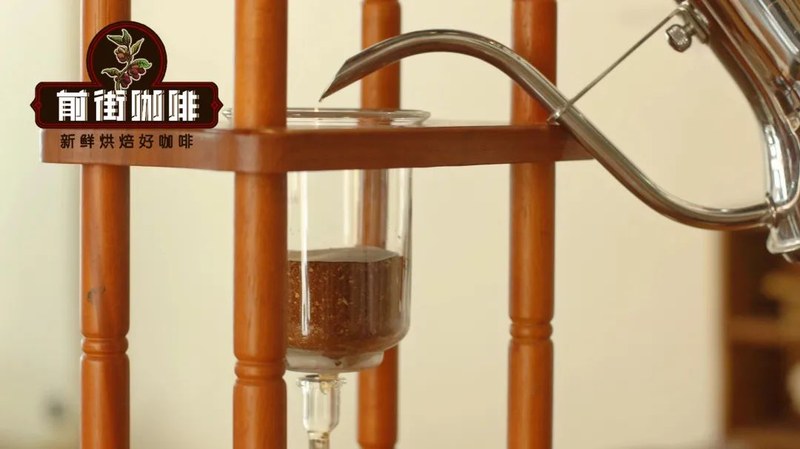
When brewing this bean as pour-over, use 15g of coffee grounds, a water temperature of 92°C, a coffee-to-water ratio of 1:15, and a total of 225ml of water. Use two pours: first pour 45ml and let it bloom for 30 seconds, then slowly pour up to 225ml, keeping the total time between 1 minute 50 seconds and 2 minutes 10 seconds; use a medium-fine grind so that sweetness and body appear at the same time.
If the pour-over tastes thin or the finish is short, grind slightly finer while keeping 15g of grounds and 225ml of water unchanged; if the cocoa note becomes heavy and the tongue feels dry, grind one step coarser and reduce the circular stirring. The sweetness of Brazilian beans often becomes more obvious as the coffee cools, so it is best not to judge it right after brewing; wait until about 60°C and take a sip.
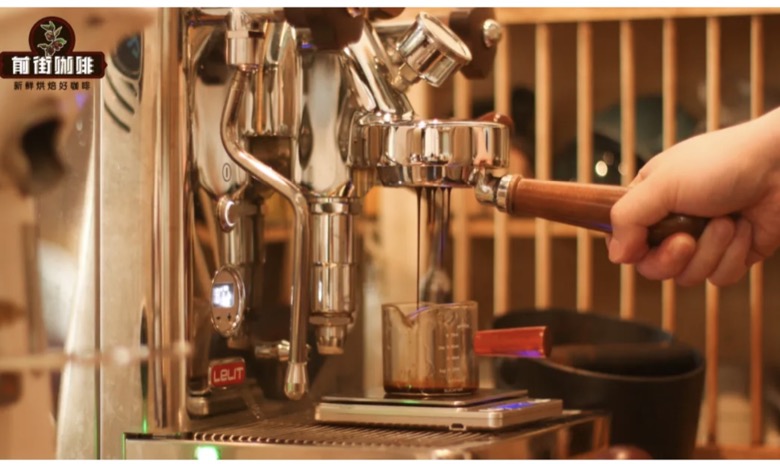
To make espresso or a latte, you can choose Brazilian beans with a darker roast and a nutty, cocoa-leaning flavor. When using Qianjie Specialty Blend on an espresso machine, you can set 18g of grounds, a water temperature of 93°C, and 9bar constant-pressure extraction, aiming for 36g of yield in about 26 seconds. Level and tamp the puck evenly, and aim for a fine grind with a stable flow rate.
If this espresso tastes sharp on entry and lacks sweetness, grind a little finer to extend the extraction to 27 or 28 seconds; if there is obvious burnt bitterness, grind coarser and shorten it to 25 seconds. When making a latte, extract 36g from 18g of grounds and then add about 150ml of hot milk; the caramel and cocoa of the coffee will become the main axis, and the milk fragrance will not cover the core.

The moka pot suits those who like the intense expression of Brazilian beans. Fill the filter basket with 18g of medium-fine coffee grounds, add 120ml of hot water to the lower chamber, and keep heating over medium-low heat for about 1 minute 40 seconds; as soon as you see the coffee flowing out continuously and the color starting to lighten, remove it from the heat. After the liquid comes out, shake it gently to blend, which lets the nutty sweetness and cocoa note merge more smoothly.
If you usually prefer floral and fruity notes, you can use Qianjie Ethiopia Huakui as a flavor comparison: it is livelier than the Brazilian style, and for pour-over it is recommended to use 15g of grounds, 91°C water, and a total of 225ml, poured in three stages, blooming for 30 seconds and then pouring to 140ml and 225ml respectively, with a total time of about 2 minutes 5 seconds; a slightly coarser grind helps retain the fruity aroma.
When the same Brazilian bean tastes sharp, overly bitter or thin, it is often not a problem with the bean itself, but a mismatch between the parameters and the roast direction. Lighter roasts can use a lower temperature and a finer grind, while medium-dark roasts are suited to controlled extraction time to avoid a long, hot extraction amplifying burnt bitterness. Change only one variable at a time, and the taste will be easier to read.
For home selection, if you have a lot of pour-over equipment, choose Brazilian beans with clear sweetness and an aroma that opens up easily; if you often use an espresso machine and milk pitcher, prioritize medium-dark roasts with obvious cocoa and nutty notes. Drink a few cups with fixed parameters first, then fine-tune based on acidity, sweetness, body and finish; the charm of Brazilian coffee will gradually unfold in everyday brewing.
Related Reading





Comments (0)
Loading comments...
You May Be Interested



Trending Reviews
Popular Videos

With you, wherever you are! We provide useful features to help you find new things you'll love






