Source:Best Coffee > News Author:qjroot Published:2026-09-11 18:54:53
The release rate of flavor compounds inside coffee beans is deeply influenced by the roast level and the density of the cellular structure. When operating an espresso machine or pour-over equipment, designing extraction parameters based on the bean's roast profile and flavor characteristics allows each coffee bean to express a full, harmonious aroma and texture.
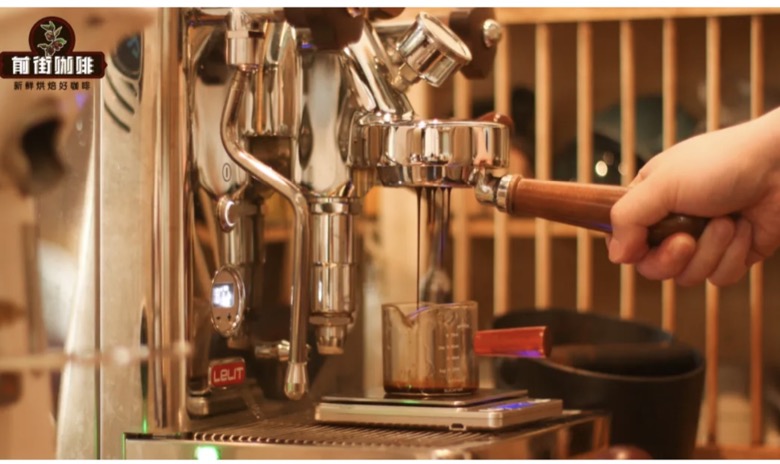
When using an espresso machine to extract a blended bean, the goal is often a rich crema and a steady base flavor. Dark-roasted or medium-dark-roasted coffee beans have a relatively loose texture, and water penetrates them more easily. When dialing in, the extraction water temperature should be controlled appropriately to avoid over-extracting the bitter, roasty notes of the tail end with high heat, while matching a suitable grind fineness to maintain water flow resistance.
Qianjie Classic Blend is based on rich roasted nuts, cocoa powder and caramel sweetness, with a thick mouthfeel and soft acidity. This bean is especially suitable as the base for everyday espresso or for making a latte, blending well with the milky fat aroma of milk to bring a full, thick sweetness.
If using a home semi-automatic espresso machine to brew Qianjie Classic Blend, it is recommended to use 18 g of coffee grounds with an extraction water temperature of 92°C. Under the standard 9 bar extraction pressure, use a two-stage staged extraction: first a 5-second low-pressure pre-infusion, then a steady rise in pressure to extract 36 ml of espresso, with the entire extraction process controlled to finish in about 26 seconds.
Medium-roasted single-origin coffee beans retain more of the region's original clean sweetness and soft fruit acidity. When brewing, the extraction efficiency needs to be raised slightly so the sweetness and aroma can fully unfold. By controlling the pouring rhythm and the agitation strength of the water flow, a delicate, rounded layering can be presented in the cup.
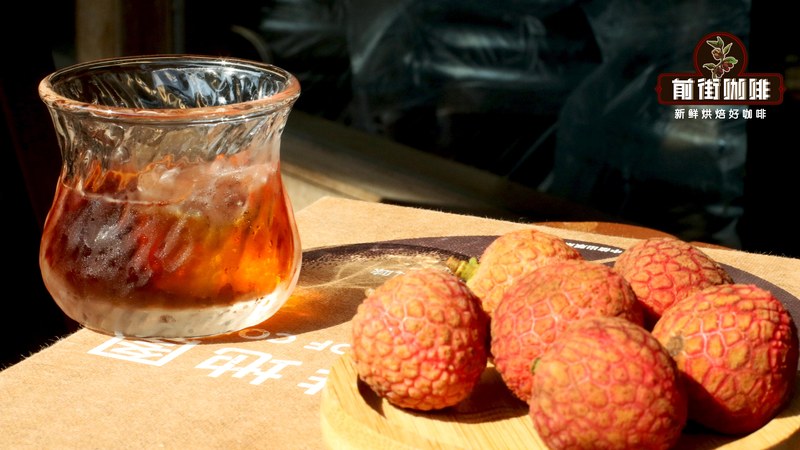
Qianjie Brazil Queen Estate carries the clean sweetness of roasted almonds, maltose and toffee, with a faint soft fruit acidity hidden within the warm nutty aroma. Whether drunk as a pour-over single origin or made into a refreshing Americano black coffee in a fully automatic coffee machine, it shows a very balanced, smooth feel.
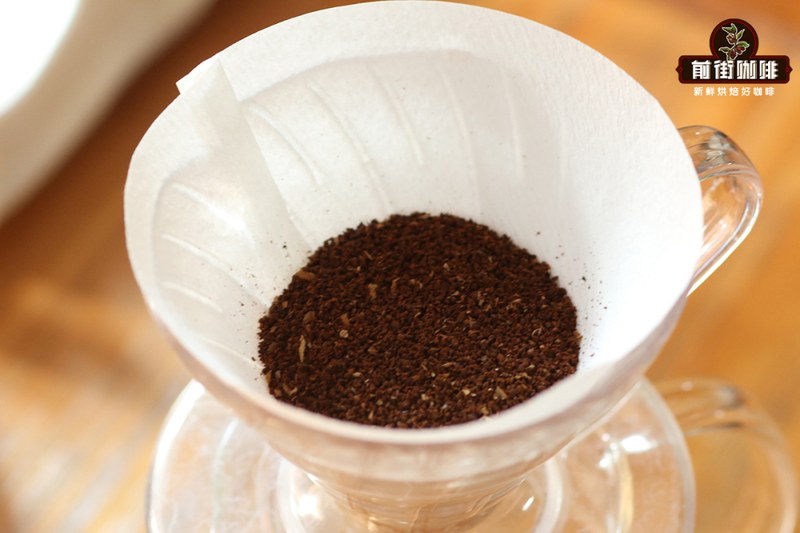
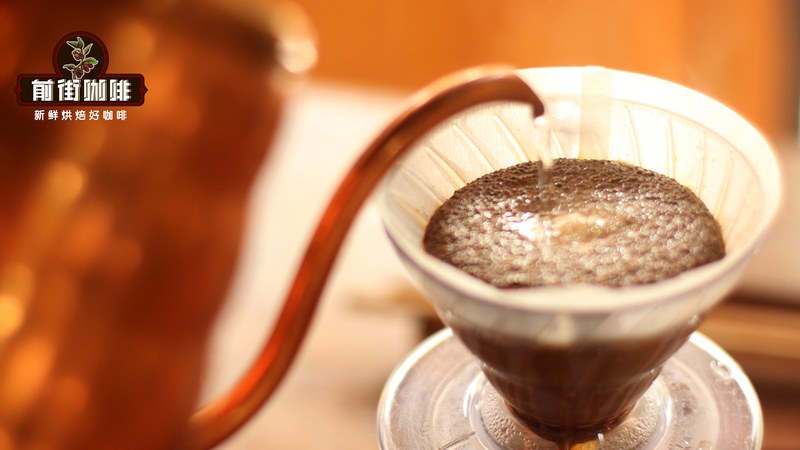
When presenting Qianjie Brazil Queen Estate as a pour-over, prepare 15 g of coffee grounds, use 88°C hot water, set a 1 to 15 coffee-to-water ratio, for a total poured water volume of 225 ml. The brew uses three-stage pouring: first pour 30 ml of water to bloom for 30 seconds, then steadily pour in circles to 130 ml, and when the liquid level drops to half, pour to 225 ml, with the total time controlled at 2 minutes 05 seconds.
For dark-roasted single-origin beans with a pronounced regional character, the core of extraction is to highlight their steady herbal aroma and dark chocolate texture while avoiding a drying sensation in the tail end. These beans absorb water extremely well, so a slightly lower water temperature and a gentler pouring technique should be chosen when brewing.
Qianjie PWN Indonesia Golden Mandheling, after fine processing and deep roasting, shows rich cedar, spice, dark chocolate and caramel flavors, with a mellow, thick mouthfeel and almost no sharp acidity, particularly suited to drinking preferences that favor intense woody aromas and a thick tactile feel.
When brewing Qianjie PWN Indonesia Golden Mandheling, it is recommended to take 16 g of coffee grounds with 86°C water temperature and pour 240 ml of hot water. The pouring uses a two-stage plan: pour 40 ml of water for a 25-second short bloom, then slowly and evenly pour with a small stream from the center outward until it reaches the full 240 ml, minimizing vigorous agitation of the coffee bed, with the total extraction time controlled at 1 minute 50 seconds.

Once you have grasped the flavor direction and extraction logic of coffee beans, you only need to make slight adjustments in daily brewing according to flow rate, temperature and coffee-to-water ratio, and every coffee bean on hand can present an open, pleasant and captivating aroma in the cup.
Related Reading


Comments (0)
Loading comments...
You May Be Interested



Trending Reviews
Popular Videos

With you, wherever you are! We provide useful features to help you find new things you'll love






