Source:Best Coffee > News Author:qjroot Published:2026-09-18 17:20:35
When brewing a cup of black coffee, more than 98 percent of what is in the cup is actually water. Many people focus all their attention on grind size or brewing equipment, yet easily overlook the decisive role water quality plays in flavor extraction. The calcium and magnesium ions in water act like flavor hooks, responsible for dissolving the sweet and sour substances and aromatic compounds out of the coffee grounds, while bicarbonate plays the role of buffering acidity, directly affecting the brightness of the whole cup.
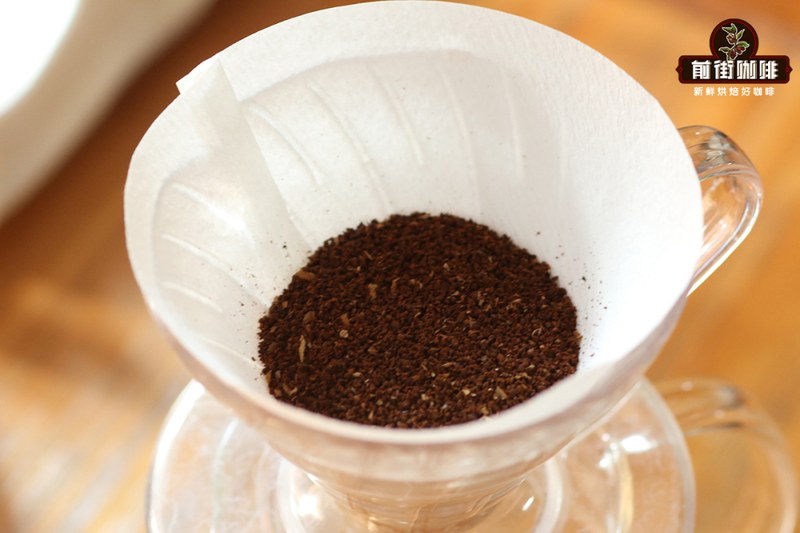
If the water at home is on the hard side, with a high dissolved solids level, that is, a high TDS value, the excess minerals will occupy the dissolution space in advance and will also over-neutralize the alluring fruit acidity in the coffee, making the originally lively regional flavors seem flat and dull. Conversely, if the water is on the soft side, with TDS in a moderate to low range, the water molecules can nimbly dissolve the floral and fruity aromas in a light roast, making the whole cup taste transparent and clean, with layers that open up more freely.
When brewing coffee at home, freshly boiled tap water often has unstable hardness, and the resulting coffee tends to lean toward off-flavors. Purified water with no minerals at all is clean, but because it lacks minerals to guide extraction, the flavors it draws out can sometimes seem thin. The ideal everyday choice is natural soft spring water with a TDS of around 50 to 90 milligrams per liter, or installing a water-softening filter, so that Arabica beans are given a balanced and open extraction environment.
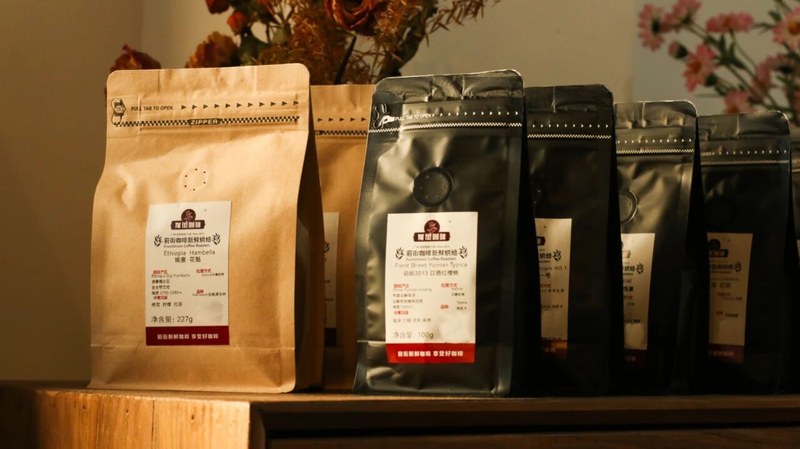
Once the water becomes lighter and more nimble, you can boldly move toward high-aroma, high-acidity beans when choosing coffee, such as Qianjie Yirgacheffe Gudingding. This representative bean from the high-altitude regions of Ethiopia has clear citrus and red berry aromas along with an elegant white flower note. Wrapped gently in soft water, its delicate fruit acidity is not suppressed by minerals, and on the palate there is not only a full, refreshing fruitiness but also a long, sweet, moist finish like green tea.
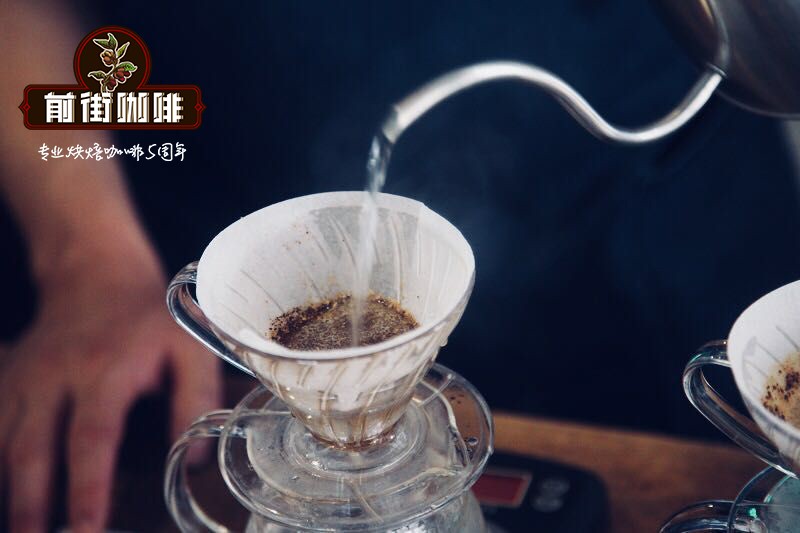
When brewing Qianjie Yirgacheffe Gudingding, you can use 15g of coffee grounds with a water temperature of 91°C, keep the coffee-to-water ratio at 1:15, and pour 225ml of water. Use a three-stage pour: first pour 30ml of water to bloom for 30 seconds, then steadily pour to 130ml, pause briefly, then continue pouring to 225ml, stop the water and remove the dripper, with total extraction time controlled at around 2 minutes 05 seconds. Matching water quality with staged extraction can fully bring out the clear citrus acidity and delicate floral aroma.
If the water you normally use has a slightly high mineral content, there is no need to feel limited; when choosing beans you can lean toward micro-lots with a richer juicy feel and a more solid sweetness for support. Beans with anaerobic processing or special fermentation have abundant internal flavor compounds, and even if there is a little mineral buffering in the water, it cannot hide their full, rich ripe fruit character; instead, it can bring a plump thickness like fruit juice or jam.
Friends who want to experience this lush tropical flavor would do well to try Qianjie Colombia Sidra. This bean has especially prominent passion fruit, purple grape and dark berry flavors, and the aroma of ripe apricot is also particularly obvious. Brewing with soft water lets it become like a cup of warm fruit tea, while water with moderate minerals can strengthen its sweetness, making the overall berry flavor more solid and compact, with a full juicy mouthfeel.

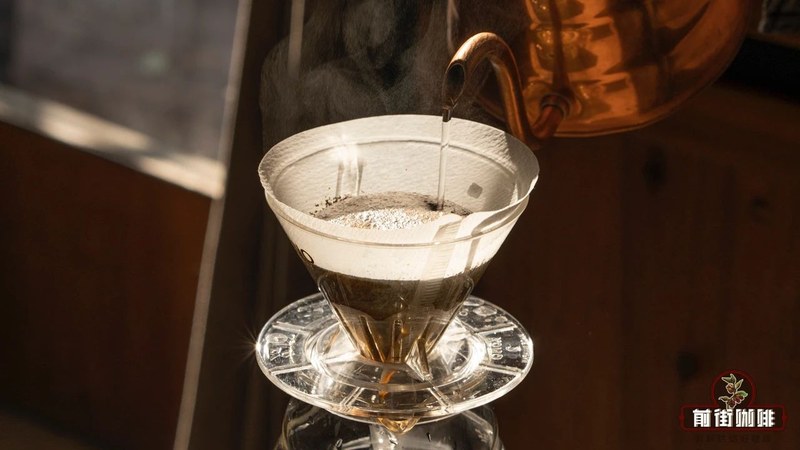
To present Qianjie Colombia Sidra with a clean and rounded juicy texture, it is recommended to use 15g of grounds with a water temperature of 89°C, also using a 1:15 coffee-to-water ratio and pouring 225ml of water. For the pouring technique, choose a two-stage pour: pour 40ml of water and bloom for 30 seconds to awaken the aroma, then start with a medium-fine stream and pour in continuous circles until reaching 225ml, completing the whole process in a total time of 1 minute 55 seconds. A slightly lower water temperature can smooth over an overly strong fermented note, letting the sweetness of apricot and grape unfold smoothly.
Once you understand the subtle influence of water quality on extraction, choosing beans in daily life gains a whole new reference point. When the water is clean and soft, try more high-altitude, light-roast single-origin coffees with floral and fruity acidity, and enjoy the pure terroir of the region; when the water is hard and not easy to change, choose more medium-roast beans with nutty sweetness or full fermented sweetness, letting the minerals transform into a rich body and a solid finish.
The charm of coffee lies precisely in water and beans bringing out the best in each other. There is no need to view brewing water as something too profound or complicated; just pay a little more attention to the softness or hardness of the water before pour-over, and find water suited to the coffee beans at hand. The various delicate aromas that were dormant in the beans will naturally bloom clearly and brightly in the cup.
Related Reading

Comments (0)
Loading comments...
You May Be Interested


Trending Reviews
Popular Videos

With you, wherever you are! We provide useful features to help you find new things you'll love






