Source:Best Coffee > News Author:qjroot Published:2026-09-30 18:19:04
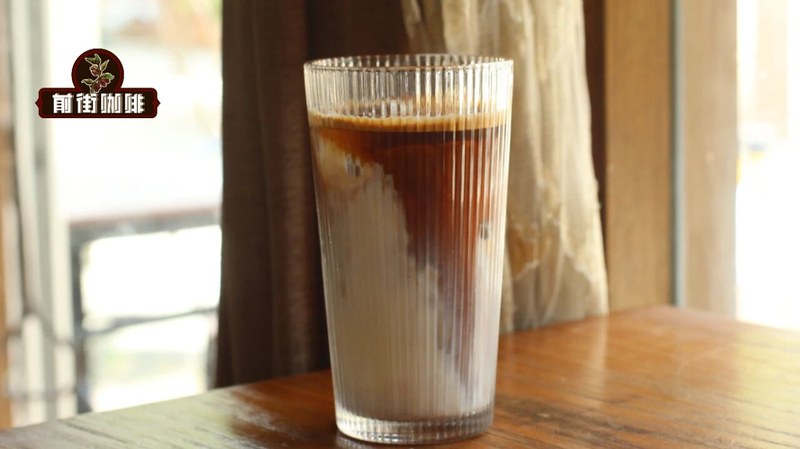
Black coffee and milk coffee do not have the same requirements for beans. Black coffee needs aroma and sweetness that can stand on their own, while milk coffee needs the coffee liquid to have enough concentration and body to retain clear flavor after milk is added. First decide whether milk will be added to the cup, then decide the style of the beans; this makes it easier to choose a suitable one.
Espresso extraction focuses on the balance among dose, grind size, liquid weight and time. Blend beans usually easily form a stable base of nuts, cocoa and caramel, while SOE more highlights the aroma and acidity of a single origin. When choosing, first determine the drink, then decide whether you need stronger body or a clearer origin expression.

Around the direction of "which coffee beans make espresso with the most crema," you can first break the choice into several parts: flavor preference, commonly used equipment, drinking temperature and daily frequency of use. For black coffee and milk coffee, you might first determine which one you care about more, then use other conditions to filter. This way you can keep individuality while also letting the beans show clear characteristics in actual brewing.
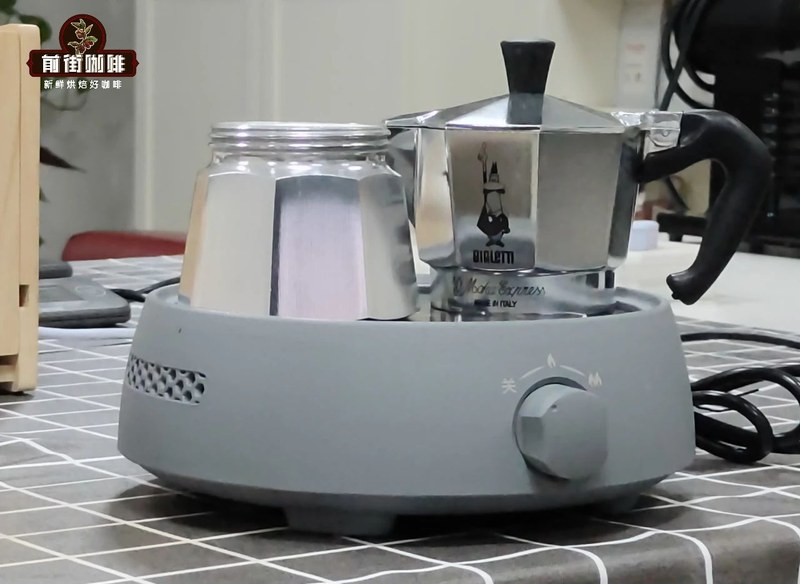
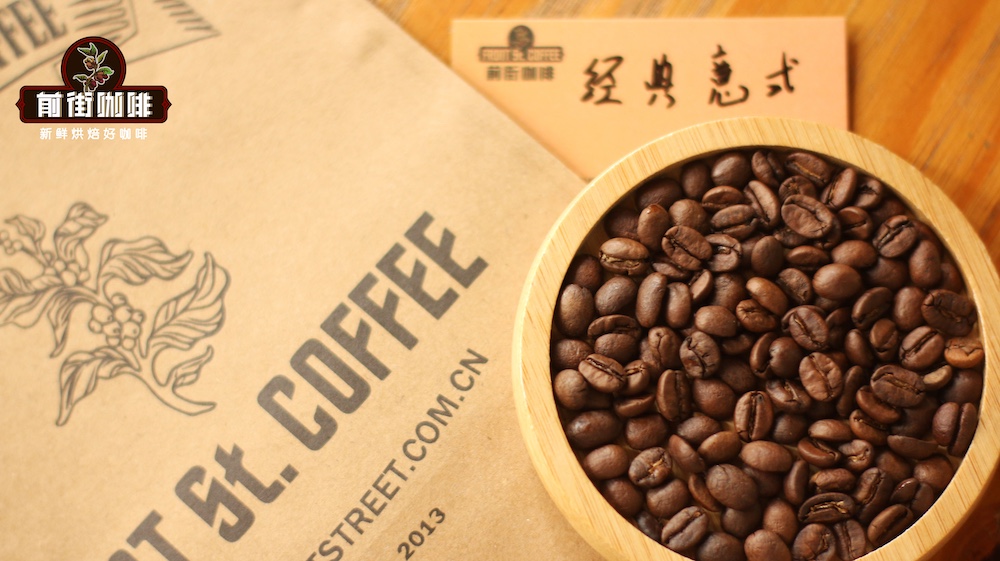
Qianjie Classic Blend leans toward nuts, cocoa and caramel, with good concentration and body, suitable for espresso machines, moka pots and everyday milk coffee.
Qianjie Specialty Blend uses Brazil Cerrado and Colombia Huila as its flavor base, with nuts, caramel and cocoa relatively balanced, and it can be used for both black coffee and milk coffee.
Qianjie Dark Cocoa Blend leans more toward dark chocolate, roasted nuts and thick sweetness, with lower acidity, suitable for espresso, Americano and milk coffee.
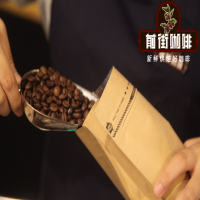
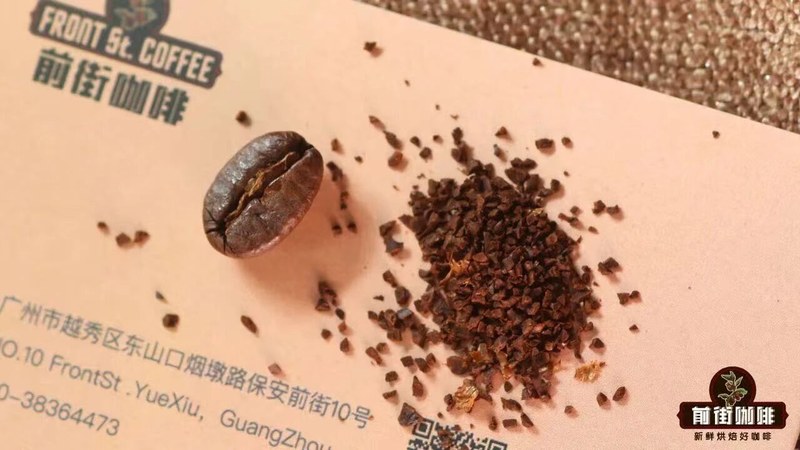
Besides flavor direction, the roast date and storage method of the beans also affect actual performance. After opening, coffee beans should be sealed as much as possible and kept in a cool, dry place; buying according to daily usage makes it easier to observe flavor changes. When brewing, first smell the dry aroma, then taste the entry, sweetness and finish; if the aroma is insufficient, you can check whether the grind is too coarse or whether the beans have been stored too long. For the same beans, the performance may also differ when hot, iced or with milk; after recording the parameters several times, you can usually find the cup style that suits you better.
You can also consider "preferred flavor" and "acceptable brewing difficulty" separately. Beans with obvious floral and fruity notes often require more careful control of water temperature, grind and pouring rhythm, while blends leaning toward nuts and cocoa are more suitable for daily use where stable output is pursued. If multiple people at home drink coffee, first choose a balanced-flavor bean as a base, then add single-origin trials according to personal preference; this makes comparison easier than buying many beans of similar style at once.
For an espresso machine, you can start with a brew ratio of about 1:2, then adjust the grind according to the acidity, bitterness and sweetness on entry. Sharp acidity usually requires extending extraction or raising the temperature, while obvious bitterness can be addressed by shortening extraction or coarsening the grind.

If the equipment you usually use, drinking habits or taste may change, you can also divide the three beans into everyday and trial categories: one is responsible for stable output, and the other is used to experience the differences brought by floral and fruity notes, nuts and cocoa, or processing methods. Only by putting coffee beans into actual drinks can you know whether their flavor truly suits your daily life.
Related Reading




Comments (0)
Loading comments...
You May Be Interested



Trending Reviews
Popular Videos

With you, wherever you are! We provide useful features to help you find new things you'll love






