Source:Best Coffee > News Author:qjroot Published:2026-09-19 12:26:52
The richness in a coffee cup often takes two completely different directions: one is the vivid fruitiness bestowed by a single origin's terroir, and the other is the mellow, syrupy body brought by a multi-origin blend. Many friends easily get lost when searching for rich flavors, but once you clarify these two entirely different flavor paths - single origin and blend - you can quickly sort out your thinking and let every coffee bean show its proper fullness in a suitable cup style.
The core of the single-origin route lies in tasting the individual character of a specific origin; this richness comes from a high concentration of aromatic texture. Single-origin coffee beans retain their original character and processing traits, with clear acidity and abundant juicy qualities, and very high flavor recognizability. If you like bright and impactful berry sweetness and acidity, single-origin beans can unfold layer after layer of floral and fruity aromas during pour-over extraction, bringing a clear and luminous drinking experience.
If you want to experience an especially intense fruity single-origin expression, Qianjie Kenya Small Tomato is a highly representative one. It has full berry flavors like ripe cherry tomatoes and preserved dark plums, with abundant yellow sugar sweetness in the middle. When brewing, use 15g coffee grounds and pour in 225ml hot water, using a 1:15 coffee-to-water ratio. Set the water temperature at 89°C, first pour in 35ml water for a 30-second bloom, then pour steadily in two stages up to the total amount, with the total time controlled at 2 minutes 05 seconds. The first sip is like drinking a warm, rich glass of freshly squeezed tomato compound juice.
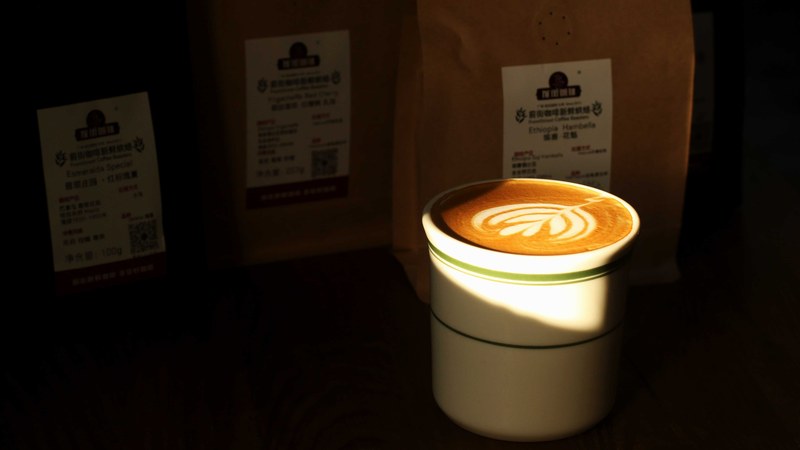
If you prefer a soft, juicy citrus profile with tea-like notes, Qianjie Kaffa Forest presents another kind of refined intensity. This bean carries full, juicy aromas of fresh orange and sweet apricot, then turns into a long oolong tea finish in the aftertaste. For pour-over, it is recommended to use 15g grounds with 90°C water and a 1:15 coffee-to-water ratio, pouring 225ml water. After completing the 30-second bloom, use an even circular three-stage pour to heighten aroma release, with the total time controlled at 1 minute 55 seconds. The sweetness of the whole cup becomes especially concentrated after the temperature drops slightly.
When single-origin beans enter the espresso extraction system and become SOE, the origin characteristics are further concentrated and amplified. When making a single-origin espresso, use 18.5g grounds, extract under constant pressure after low-pressure pre-infusion, and extract 37g of coffee liquid within 26 seconds. The resulting espresso has highly saturated floral and fruity acidity and preserved-fruit sweetness. Whether drunk on its own or added to ice water to make an americano, you can clearly feel a strong origin imprint.
Unlike single origin, which amplifies origin traits, the core goal of the blend route is balanced complementarity and high stability of flavor. A blend recipe is usually composed of base beans and flavor beans in a certain ratio, such as the common seven-to-three ratio, which often uses 70% medium-dark roasted Brazilian or Colombian beans to build a thick crema and a nutty-cocoa framework, then adds 30% light-roasted African beans to lift the aroma and soft sweetness, making the overall mouthfeel three-dimensional and solid.
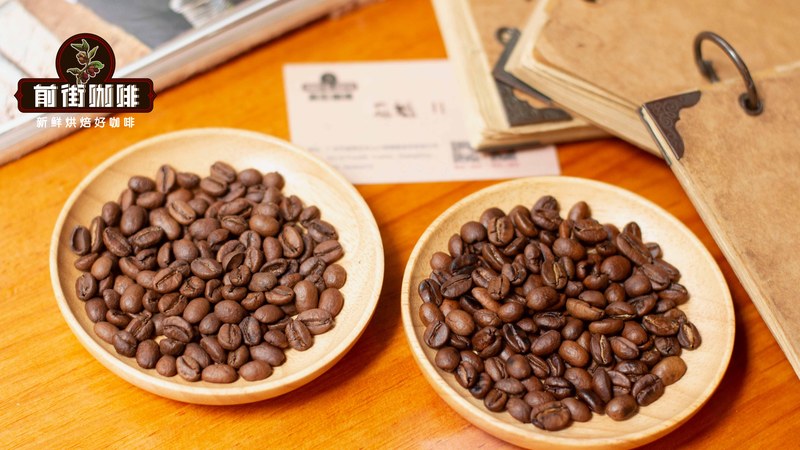
By understanding the recipe ratio, you can understand where the flavor focus of this bag of beans lies. When nutty and cocoa-flavored beans dominate the recipe, the coffee liquid shows a steady roasted aroma and extremely low off-flavors; if the proportion of fruity beans increases, a fresh preserved-fruit sweetness will appear in the finish. By drawing on the strengths of beans from different origins to offset weaknesses, blended beans smooth out the flavor shortcomings that a single bean might have, creating a dense and thick drinking texture.
This thick, cohesive framework makes traditional blends an ideal partner for large milk coffee drinks. Fill the espresso machine with 19g medium-dark roasted blend grounds and extract under constant pressure for 27 seconds to get 38g of espresso. At this point the coffee liquid is rich in crema, with intense aromas of dark chocolate and roasted almonds. Then pour in 200ml finely steamed hot milk. The caramel sweetness of the espresso can penetrate the thick milk fat layer, and the whole latte tastes sweet and smooth with an especially abundant coffee flavor.
After clarifying these two routes, choosing beans according to your daily drinking purposes becomes especially easy. If your daily routine is mostly pour-over black coffee, cold brew, or refreshing fruity americanos, and you pursue a clear, bright fruit-bomb feeling, the single-origin route will undoubtedly bring rich surprises; if your daily must-have is a hot latte with abundant crema, or you are used to fast-paced production and pursue consistent flavor cup after cup, then choosing a bag of maturely formulated blended beans will be more effortless and worry-free.
Related Reading




Comments (0)
Loading comments...
You May Be Interested




Trending Reviews
Popular Videos

With you, wherever you are! We provide useful features to help you find new things you'll love






