Source:Best Coffee > News Author:qjroot Published:2024-12-14 18:46:44
According to Brazilian media reports, in the first half of this year, drought and high temperatures in Brazil caused coffee production to fall sharply, which also affected domestic coffee product prices in Brazil. According to recently released data from Brazil's National Consumer Price Index (IPCA), between December last year and November this year, prices of coffee products in Brazil rose by nearly 33%.
Spot coffee prices also rose accordingly, reaching a record high in nearly 26 years, with the average price reaching 2100 reais to 2200 reais per bag (60 kg per bag); on December 10, the futures price on the New York Stock Exchange once reached 426 US dollars per bag. In addition, the U.S. C coffee futures price, an industry price benchmark, also touched a high of 348.3 cents.
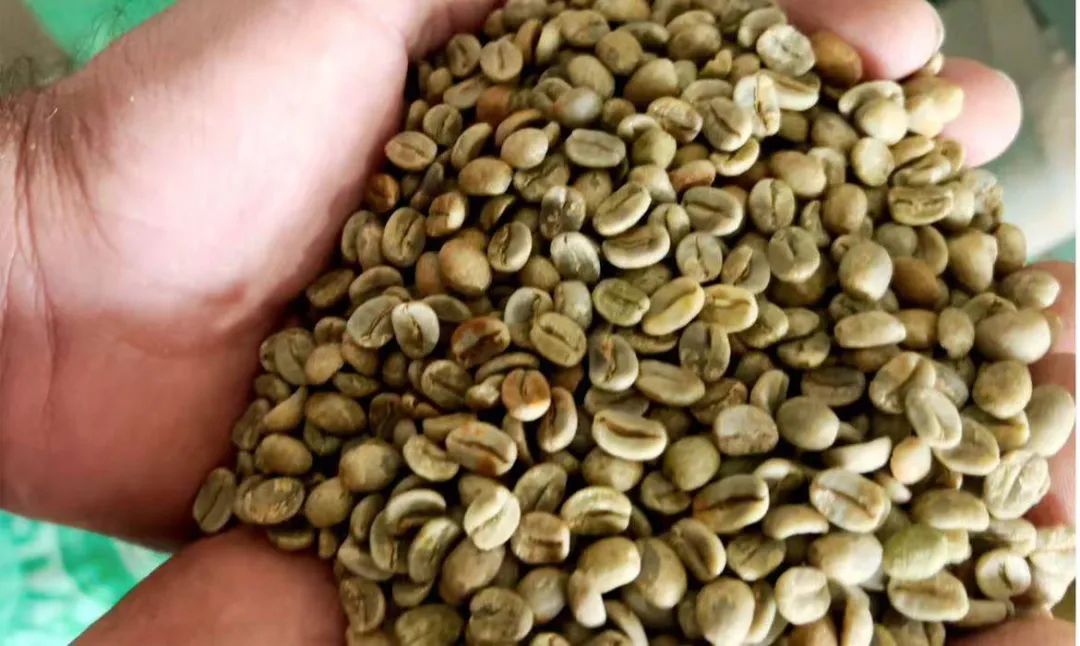
Some people in Brazil's coffee industry said that because it may take a relatively long time for the yield of this crop, coffee, to recover, Brazil's average coffee price will remain high at least until 2026; however, this also depends on climate conditions in 2025.
In addition to being the world's largest coffee producer, Brazil is also the world's second-largest coffee consumer, after the United States. Although coffee prices are currently high, demand for coffee products still shows a trend of continued rise. At present, Brazil has opened up new international markets and imports coffee beans from abroad to meet domestic market demand, but in the future this may have a certain impact on the coffee supply available for export from Brazil.

In addition, Brazil's domestic coffee production is currently not optimistic. According to reports, important coffee-producing regions in Brazil such as Minas and Sao Paulo have long suffered from high temperatures and drought. Under the influence of this weather environment, coffee trees drop a large number of leaves, which at the same time affects coffee production.
In addition, Brazil's coffee harvest has high-yield and low-yield years, that is, one year has a larger harvest, and the next year has a smaller harvest. This year should have been a high-yield year, and there should have been a larger harvest, so many institutions initially predicted that Brazil's production would increase this year. However, due to severe global climate change issues, this high-yield and low-yield cycle may be broken, causing harvest volumes to continue to decline.
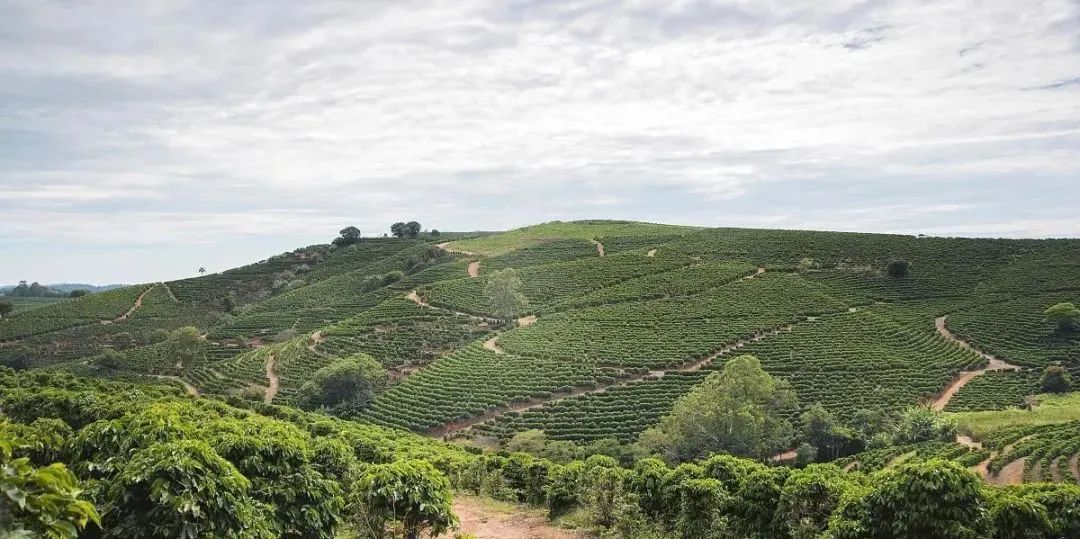
As a result, coffee bean prices within Brazil have risen very sharply. According to data, in January this year, the average price of a 60 kg bag of coffee beans was between 700 reais and 750 reais. By November, the average price of a 60 kg bag of coffee beans had reached around 1805 reais, which has already broken the highest price record since February 1998.
But by December, prices still had not stabilised, and now the average price of a 60 kg bag of coffee beans has reached between 2100 reais and 2200 reais. In addition, on December 11, the closing price of a 60 kg bag of coffee beans on the New York Stock Exchange once reached 2561.78 reais.
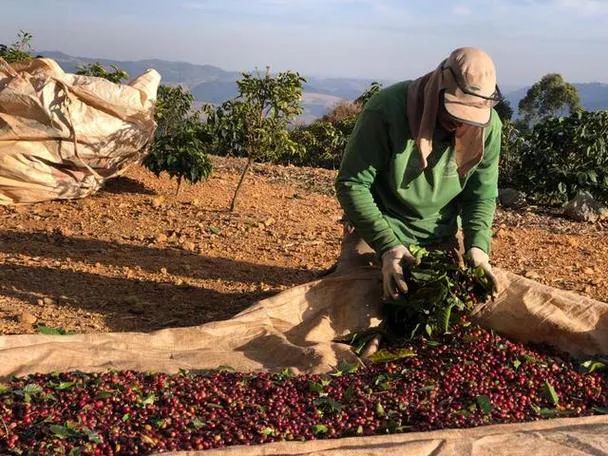
However, recently the international coffee trader Neumann Kaffee Gruppe (NKG) released its latest report on Brazil's coffee industry, stating that the final output of Brazilian Arabica coffee for the 2025/26 crop year is expected to reach 40 million bags (60 kg/bag), far higher than the 34.4 million bags forecast earlier by another international trader, Volcafe, and saying that accurately assessing Brazil's 2025/26 coffee crop is still "too early". Therefore, this remains full of uncertainty for the market.
In addition, Brazil's central bank recently raised interest rates, lifting the benchmark rate to 12.25%, which caused the Brazilian currency, the real, to rise slightly, but the US dollar remained strong and continued to rise, still exceeding 6 reais. It is understood that, due to a series of tariff policies announced recently by US President-elect Trump, instability in the foreign trade industry has been exacerbated.
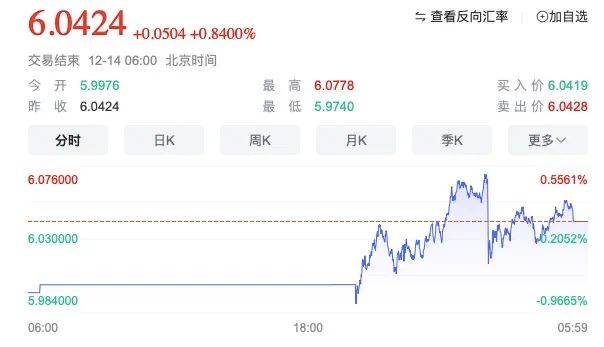
In addition, the United States is also facing the threat of a port strike, so recently traders in the United States and abroad have been accelerating their trade business to avoid the impact of a strike and tariffs. According to reports, in December the container throughput at U.S. ports will increase by 14.3% year-on-year, which has also accelerated U.S. purchases of Brazilian coffee, thus continuously pushing up Brazilian coffee prices in recent times. Because the outlook is unclear, coffee prices show no downward trend in the short term.
To learn more about coffee origins and news, please scan the QR code to follow: Kaping
Long-press the QR code to follow:

Related Reading

Comments (0)
Loading comments...
You May Be Interested


Trending Reviews
Popular Videos

With you, wherever you are! We provide useful features to help you find new things you'll love






