Source:Best Coffee > News Author:qjroot Published:2026-09-22 14:28:47
When many friends first start learning to make pour-over, they can't help feeling overwhelmed by the dazzling array of coffee beans. Actually, choosing beans is like picking seasonal fruit: as long as you follow the terroir of origins along the world's coffee belt, you'll immediately clear up your thinking. Different soils, sunlight and altitudes give coffee beans a particularly distinct regional personality, and choosing beans along this terroir map often makes it easy to find a flavor that suits you.
If pour-over coffee is compared to a refreshing cup of floral fruit tea, then the African growing regions are the source of inspiration in many enthusiasts' hearts. This place has exceptionally abundant sunshine and towering altitudes, and the huge temperature difference between day and night lets coffee cherries slowly accumulate sugar, brewing up lively fruit acidity like freshly squeezed juice, as well as elegant floral aromas like strolling through a garden. The overall mouthfeel is exceptionally light and transparent, very suitable for friends who like a fresh and bright style.
To appreciate this style, Qianjie Washed Gediding is a stunning representative. It comes from a high-quality small growing region in Yirgacheffe, Ethiopia, and the washed process brings extremely high purity. When grinding you can already smell fresh citrus and white florals. After pouring water and brewing, the bright citrus acidity interweaves with honey sweetness, and the finish also carries a comfortable oolong tea note. The layers are very rich, especially suitable for waking up sleepy taste buds in the morning.
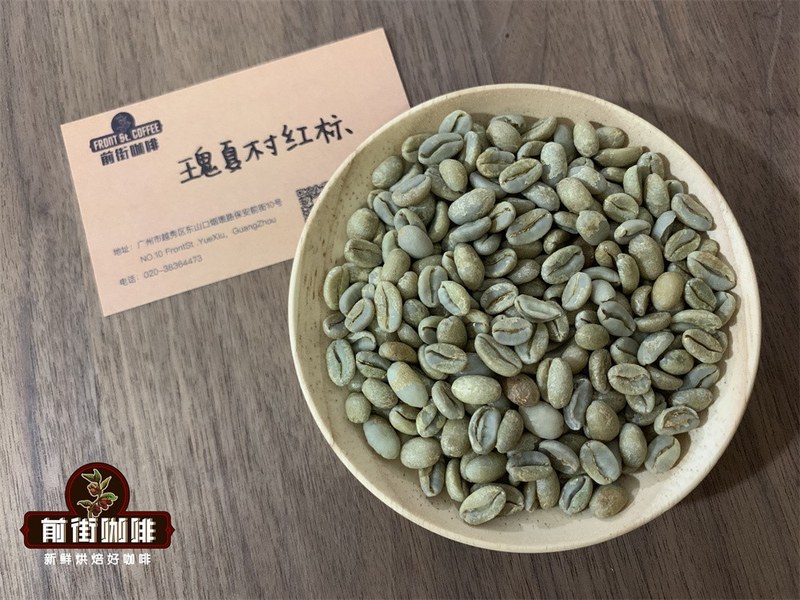
Unlike Africa's brightness, the terroir of the Central and South American growing regions appears mild and balanced. Here the volcanic soil is fertile and deep, and the microclimates are rich and diverse. The coffee beans produced often carry the sweetness of nuts, cocoa and caramel, with soft and restrained acidity and an exceptionally smooth mouthfeel. This type of bean is highly tolerant, not only easy to extract good flavor from, but also very harmonious in flavor expression, suitable for most coffee lovers pursuing a balanced taste.
To experience the refined terroir of Central and South America, Qianjie Boquete Geisha is a very affordable quality choice. It is produced in Panama's core growing area and has excellent varietal pedigree. After traditional washed processing, it presents elegant aromas like jasmine, citrus and sweet melon. On the palate it is clean, moist and sweet, with an oolong tea-like note slowly spreading between the lips and teeth. The sweetness is continuous and delicate, making it a treasure everyday staple with no burden no matter how often it is brewed.
If you prefer a solid, rich mouthfeel, you can turn your gaze to the vast Asian growing regions. Asia's tropical rainforest climate and fertile soil breed a unique style leaning toward low acidity and full body. The coffee beans produced here generally carry the steady aromas of pine, herbs, spices and dark chocolate, with a full and thick texture, like a piece of warm dark chocolate. It is especially suitable for veteran connoisseurs who are not used to fruit acidity and like rich, sweet aftertaste.
From the shores of Lake Toba in Sumatra, Indonesia, Qianjie Lindong Mandheling perfectly interprets the profound depth of Asian coffee. The unique wet-hulled process and medium-dark roasting give it extremely low acidity and a very solid body. After pour-over extraction, the mouth is full of the warm aroma of toasted bread, nuts and caramel. In the middle, a faint pine and grass jelly note emerges, and the finish is sweet, mellow and lasting. Whether drunk alone or paired with snacks, it makes people feel very at ease.
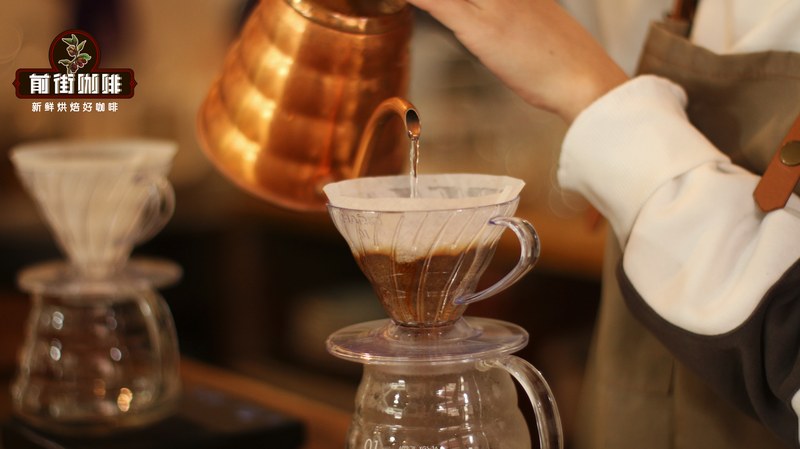
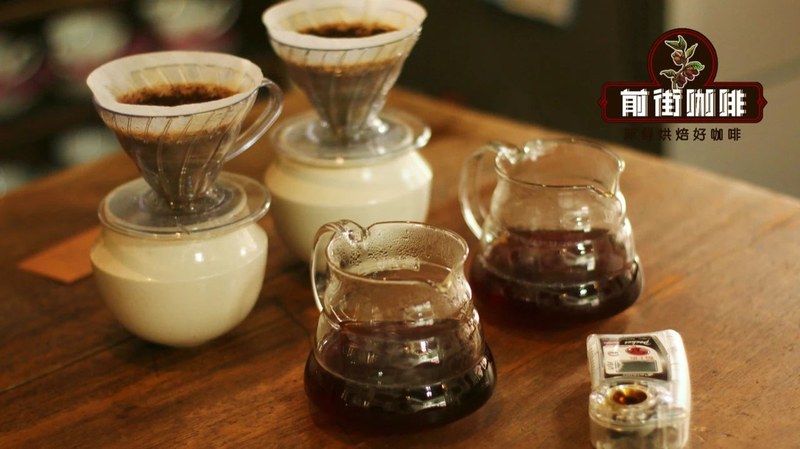
Once you have chosen your favored beans, you may as well use a set of general parameters to explore the flavor when brewing. Prepare 15g of ground coffee, and a 1 to 15 coffee-to-water ratio is recommended, that is, pour in 225ml of water. After grinding to medium-coarse, first pour in 30ml of hot water to evenly wet the coffee grounds, and bloom for 30 seconds to release aromatic substances. Then use staged pouring, steadily circling to advance extraction. Control the total extraction time to around 2 minutes, and the flavor will unfold fully.
The charm of pour-over coffee lies in using the warmth of a cup of hot water to recreate the taste of valleys and forests thousands of miles away. Africa's lifted florals and fruits, Central and South America's mild sweetness, and Asia's steady herbal notes each form a wonderful terroir puzzle. When choosing beans, there is no need to chase complicated titles. As long as you understand the climatic personality of the origin and choose according to your mood in the morning or afternoon, you can savor the beauty of heaven and earth in your own pour-over time.
Related Reading

Comments (0)
Loading comments...
You May Be Interested



Trending Reviews
Popular Videos

With you, wherever you are! We provide useful features to help you find new things you'll love






