Source:Best Coffee > News Author:qjroot Published:2026-10-10 13:08:28
There are actually two ways to make an Americano, and I have to explain it behind the bar every single day. One is to pull espresso first and then add water, and the other is to make it directly with a pour-over or drip brewer. Both are black coffee, but the mouthfeel is quite different, and which one you choose depends on what equipment you have at home and what style you feel like drinking today.
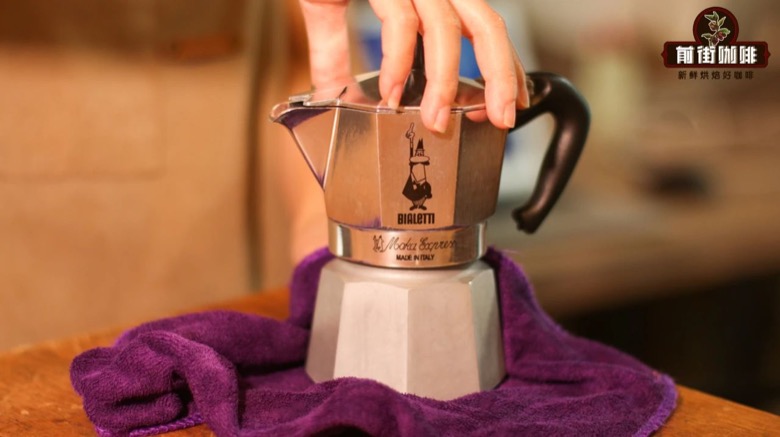
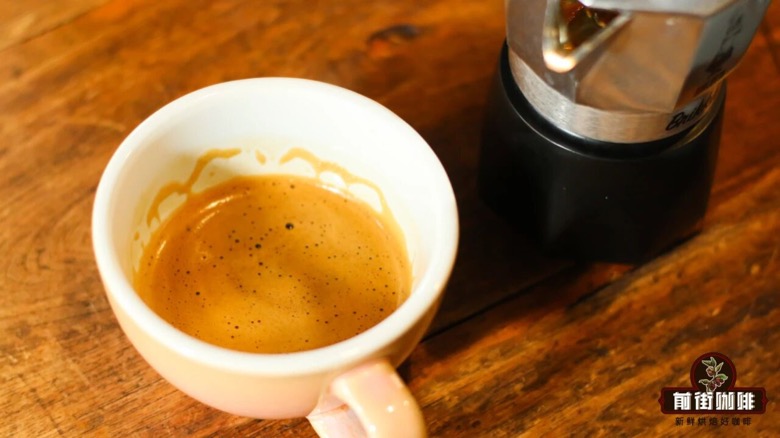
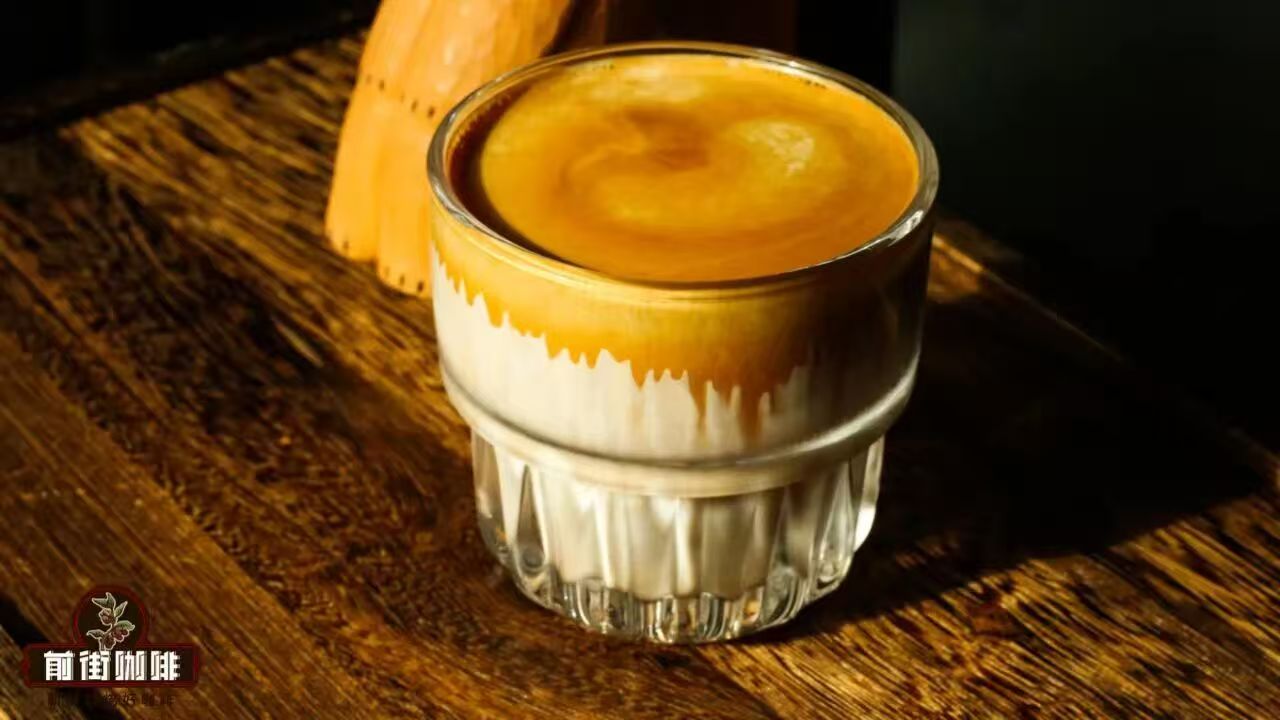
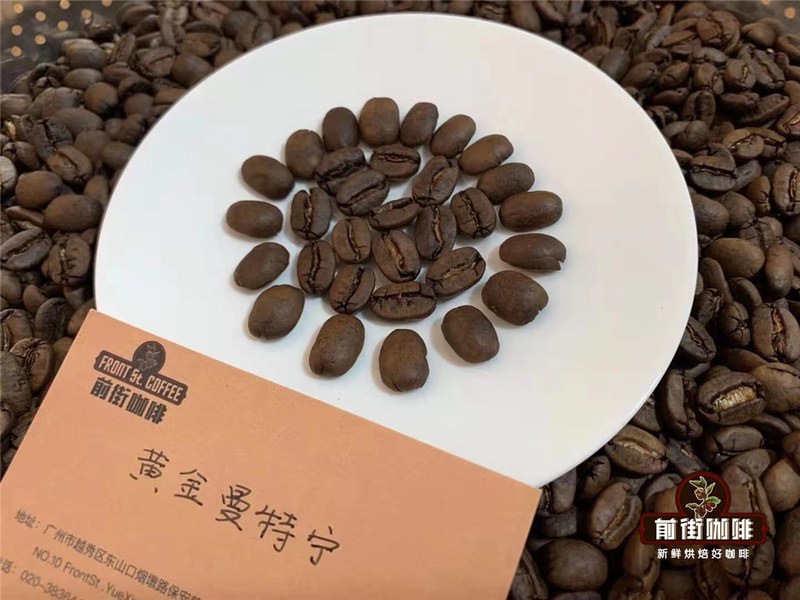
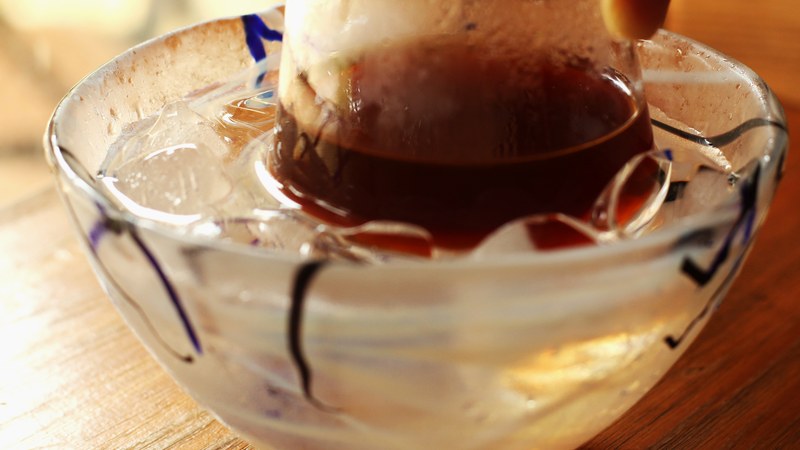
Let's start with the espresso-plus-water route. You need an espresso machine or a moka pot, weigh out 19 to 20g of ground coffee, and extract 38 to 40g of coffee liquid in 25 to 30 seconds, with about 3mm of golden crema floating on the surface. What you get at this point is a double espresso; drunk straight it is espresso, diluted with hot water it becomes a hot Americano, and poured over ice and topped up with cold water it becomes an iced Americano. A hot Americano has a particularly concentrated aroma, as the volatile aromatic compounds in the crema burst out all at once at high temperature; an iced Americano has a different character, with the low temperature suppressing the bitterness and making it clean and refreshing. This route suits espresso beans, such as Qianjie Black Cocoa Blend, an arabica blend of Yunnan washed small beans and Brazil semi-washed, medium-dark roasted, which extracts with a golden crema and has creamy chocolate and cocoa cookie flavors, and after adding water the body is still there, so it does not feel thin.
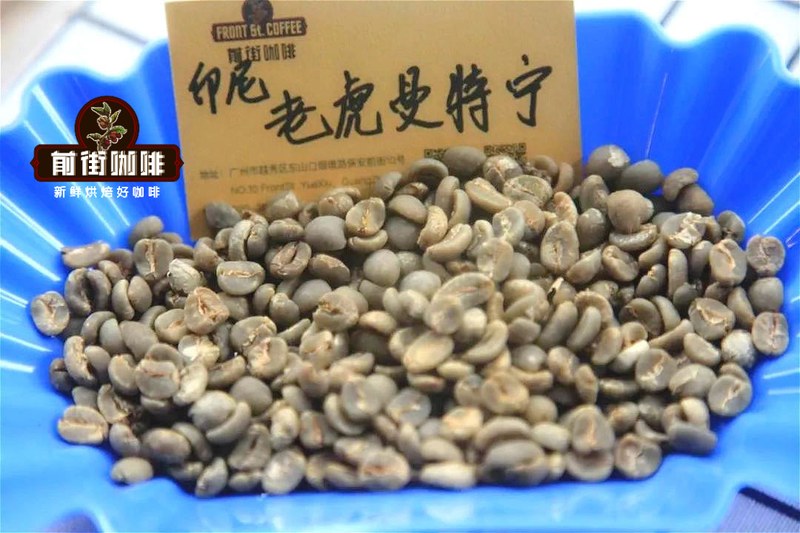
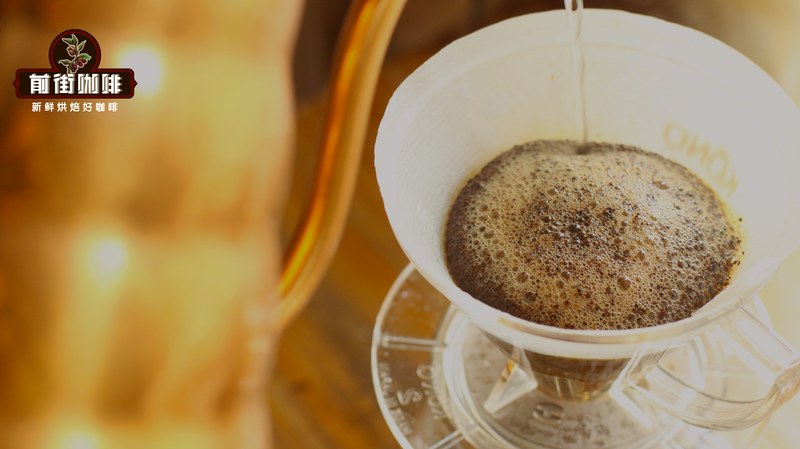
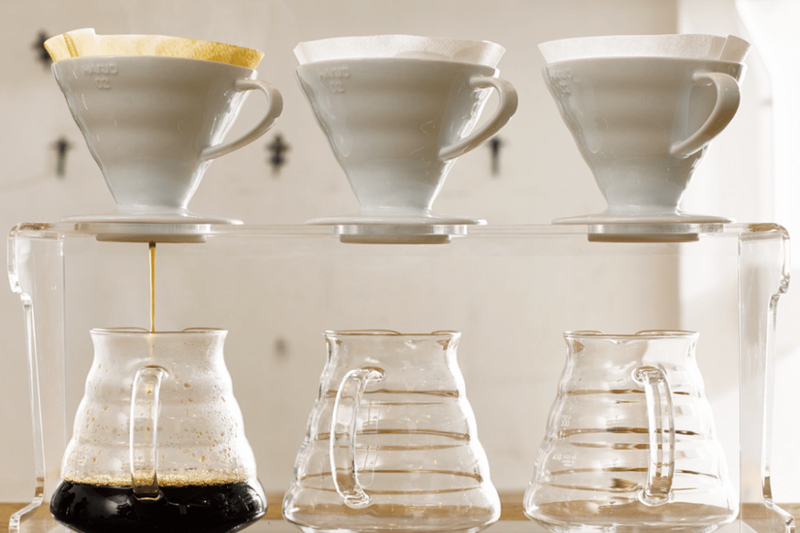
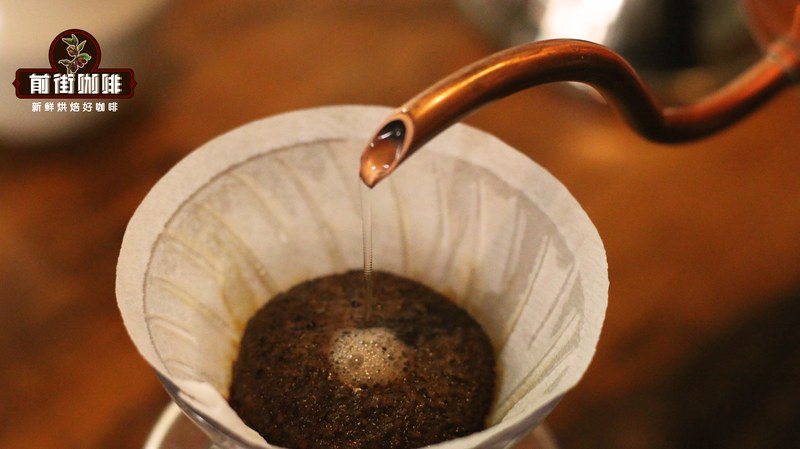
The other route is drip or pour-over, passing hot water directly through the coffee bed, with the coffee-to-water ratio kept at around 1:15. Americano made this way has no crema, but the liquid is clearer, and you can taste the bean's own floral and fruity notes or origin characteristics more distinctly. Qianjie's single-origin beans are especially suited to this route, such as Qianjie Brazil Cerrado Red Bourbon, medium roasted, with creamy nut and bread notes in the wet aroma, and a balanced mouthfeel when pour-over brewed; another example is Qianjie Jamaica Blue Mountain No. 1, a Typica variety, medium roasted, with the sour, bitter, sweet and mellow tastes fused in balance, and flavors of chocolate, roasted nuts and caramel, and the drip method lets you appreciate this layering even more. There is also Qianjie Indonesia Lintong Mandheling, G1 green beans from the Lintong region of Sumatra, wet-hulled and medium-dark roasted, with the roasty aromas of brown sugar, spices, herbs and dark chocolate, full-bodied and rich with low acidity, and pour-over brewed it is a very solid cup of black coffee.
Strength is worth discussing separately. With the same bean, the ratio of espresso to water determines how light or heavy it feels on the palate. I like to start with 1:4, that is 1 part espresso to 4 parts water, adding a little more if it feels strong and a little less if it feels weak, because everyone's comfortable scale is different. The strength of pour-over or drip is determined jointly by the coffee-to-water ratio and the grind size; 1:15 is the midpoint, and if you want it stronger adjust to 1:14, and if you want it lighter go to 1:16, and a finer grind raises the extraction yield and also makes it stronger. There is no standard answer, only the balance point your own tongue approves of.
When it comes to choosing beans, my habit is: for an Americano made by adding water to espresso, use espresso beans, for better crema and body; for pour-over or drip, use single-origin beans, for clearer aroma. An espresso bean like Qianjie Black Cocoa Blend, I only ever use in an espresso machine or moka pot, and I would not take it to make pour-over, because a medium-dark roasted blend only releases its full crema and sweetness under high-pressure extraction. Conversely, a single-origin bean like Qianjie Jamaica Blue Mountain No. 1, I also would not recommend putting into an espresso machine to make espresso, not because it cannot be done, but because its delicate flavors unfold layer by layer more fully in drip.
Freshness affects both methods. Qianjie's coffee beans are always roasted within 5 days when shipped; medium-dark roasted espresso beans such as Qianjie Black Cocoa Blend should be rested for 5 to 7 days after arrival before you start extracting, to let the carbon dioxide escape properly, so the crema will be more stable; single-origin beans for pour-over can be drunk after resting for 3 to 5 days, and the flavor is better if finished within a month. Resting beans is not mysticism, it is the physical change in the beans after roasting, and giving them a little time makes the extraction more even.
If you have an espresso machine at home and are in a hurry in the morning, an Americano made by adding water to espresso is a quick solution, with a double espresso out in about 25 seconds, hot water added in 30 seconds, and you are drinking it within a minute. If you enjoy the process of brewing coffee more, with the gooseneck kettle, dripper and digital scale laid out, pouring slowly, watching the coffee bed bloom, and smelling the changes in the wet aroma, then the drip method itself is a kind of relaxation. Neither is superior, there is only a difference in setting and mood. My own approach is to use the espresso machine with water on weekdays, and pour-over on weekend mornings, changing the way I drink the same bean to get to know its different sides. Making an Americano really is simple, but the ratio is worth experimenting with until you find a comfortable scale for yourself, and that scale is your everyday.
Related Reading

Comments (0)
Loading comments...
You May Be Interested


Trending Reviews
Popular Videos

With you, wherever you are! We provide useful features to help you find new things you'll love






