Source:Best Coffee > News Author:qjroot Published:2024-07-14 18:35:00
Recently, the results of the 2024 Cup of Excellence competition held in Ethiopia have now been announced. In these results, natural processing scored a sweeping victory, and among Ethiopia's many producing regions, Sidama stood out as the most impressive.

In fact, as early as 2020, Ethiopia held its first COE competition and auction, in which 28 winning auction lots generated a transaction value of 134 US dollars. Then, at the 2022 Ethiopia COE auction, the highest price in Ethiopian coffee history was set, reaching 400.5 US dollars per pound (about 2,899 yuan).
But in 2023, Ethiopia's left-wing party the TPLF was dissatisfied with the new elected government, and conflict broke out, eventually triggering a civil war. After discussion, the organizer, the nonprofit Alliance for Coffee Excellence (ACE), and the Ethiopian Coffee and Tea Authority concluded that Ethiopia's domestic problems were serious and suspended the 2023 Ethiopia COE. This year, according to the Ethiopian government, the situation has been stabilized, so it was decided to restart the COE.
According to reports, in this year's Ethiopia COE competition, a total of 500 participating coffees were received, and 27 coffees scoring above 87 were ultimately selected. In this year's competition, unlike before, the 27 coffees selected were all naturally processed, and all were digitized varieties.
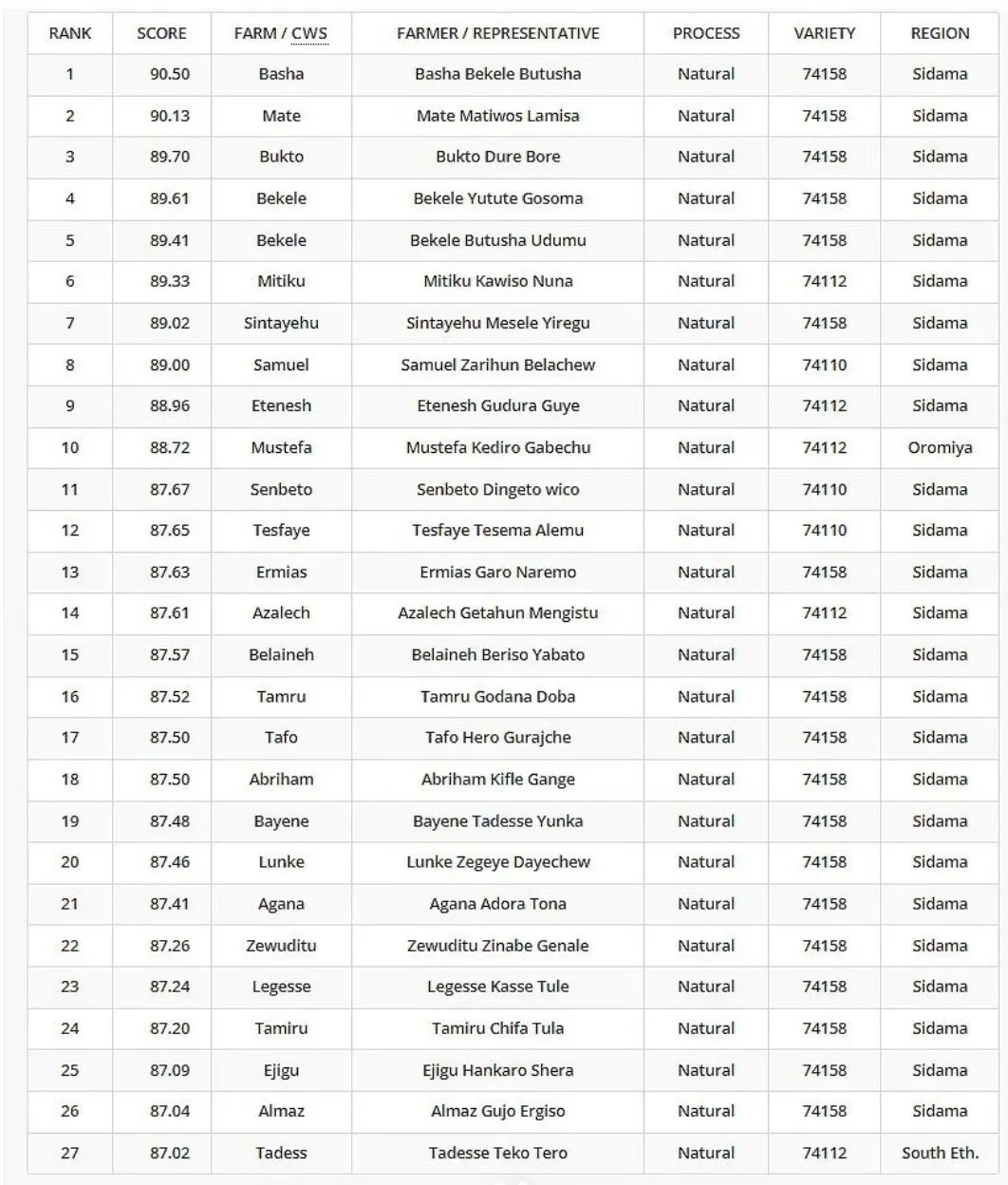
In fact, at Ethiopia's COE in 2021, a large number of numbered varieties had already appeared, but a small portion were still landrace or Typica varieties, while by 2022 and 2024, they were all numbered varieties.
Although Ethiopia has 10,000 to 15,000 coffee varieties, and most have not undergone formal genetic identification, making them difficult to distinguish, they are generally collectively referred to as "Heirloom" landrace varieties. However, with the continuous development of specialty coffee, the coffee market is very interested in some rare or exclusive coffee varieties, so locally differentiated varieties in Ethiopia are also increasing, such as JARC varieties, namely the currently common numbered varieties.
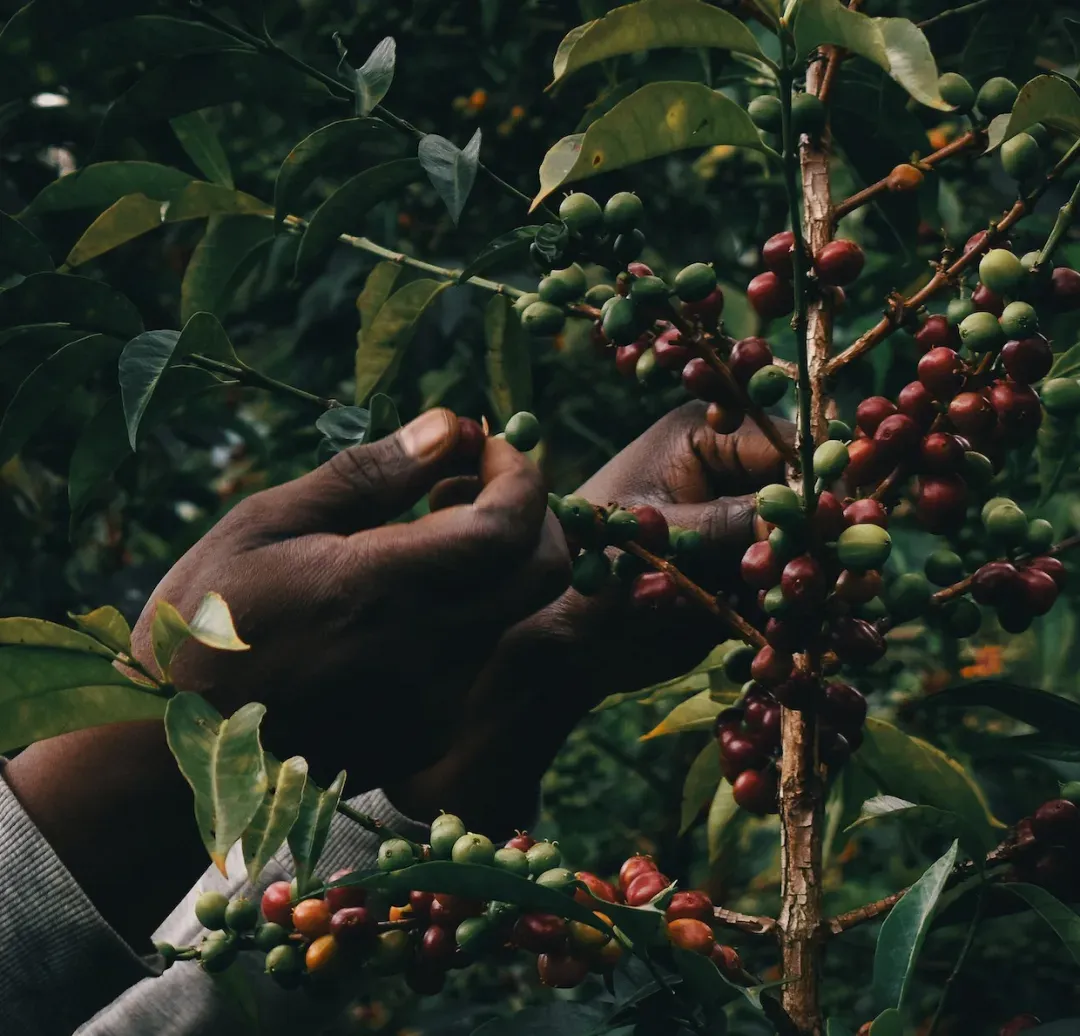
JARC varieties are varieties developed by Ethiopia's Jimma Agricultural Research Center (JARC). Between 1973 and 1975, the research center collected coffee beans from 15 regions, and a total of 639 different coffee varieties were identified and planted in experiments. Among these samples, a total of 13 beans performed outstandingly, possessing characteristics such as disease resistance, high yield, and drought tolerance, and with good flavor performance.
Therefore, JARC classified these beans as "1974/1975 CBD-Rexistent Selections." That is, the numbered series, and common ones include 74110 and 74158. The first two digits 74/75 refer to the year of discovery, and the numbers after 74/75 are the variety numbers.
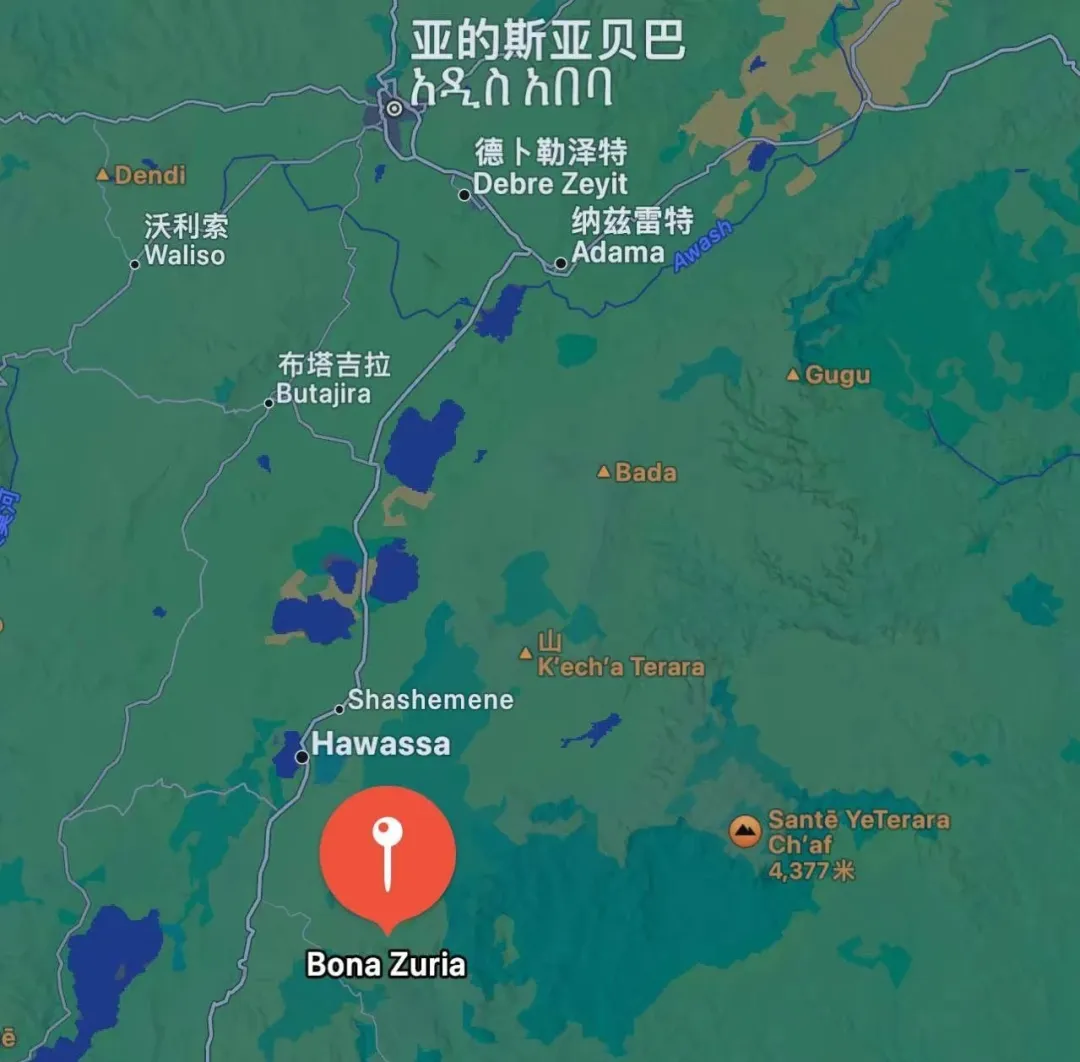
In addition, in this Ethiopia COE competition, most of the winning coffees came from the Sidamo region, while the Sidamo sub-regions Bensa and Bona performed even more impressively.Bona is in the eastern part of Sidamo Province, and the recently well-known Bensa is located to the east of Bona. Bona is affected by the East African Rift, resulting in a higher altitude, with cultivation altitudes reaching 2150m-2330m, and tributaries are spread throughout the area between the Genale River, providing ample water sources, as well as Holo volcano providing fertile soil, allowing these producing regions to repeatedly achieve good results in the COE.
Related Reading



Comments (0)
Loading comments...
You May Be Interested


Trending Reviews
Popular Videos

With you, wherever you are! We provide useful features to help you find new things you'll love






