Source:Best Coffee > News Author:qjroot Published:2026-08-21 13:39:06
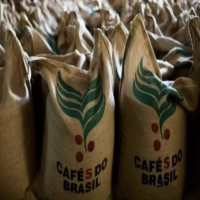
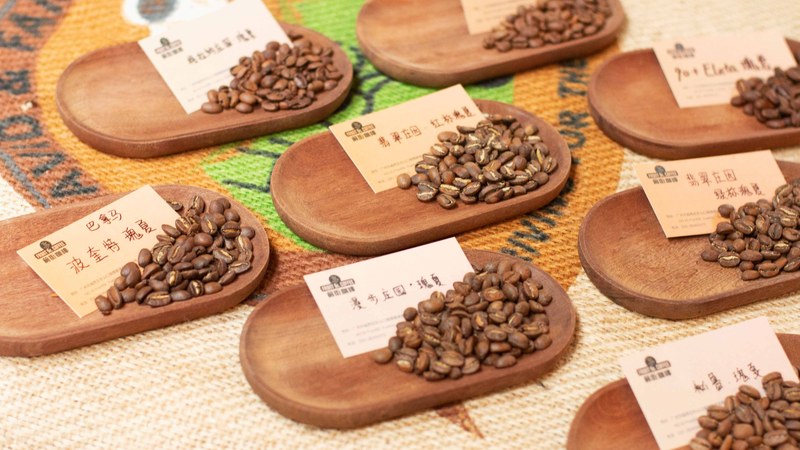
SOE is short for Single Origin Espresso, making espresso with coffee beans from a single origin. The difference between Arabica SOE and traditional blended espresso lies in its distinct flavor personality, with each cup expressing the characteristics of its origin. Exploring SOE flavors is a great way to discover the charm of Arabica espresso. Ethiopian SOE takes the floral and fruity route. When Huakui natural beans are used for SOE, tropical fruit aromas are amplified in the espresso, with intense sweet notes of strawberry and passion fruit, filling the palate with a juicy quality and soft acidity. When Yirgacheffe washed beans are used for SOE, the citrus and floral notes are clean and bright, with acidity that resembles the sweet-tartness of fruit rather than sharp sourness. Ethiopian SOE is characterized by prominent fruit notes and bright acidity, suitable for drinking as straight espresso or with a small amount of water as an americano. When made into milk coffee, the fruit notes transform into something like a fruit milkshake flavor in the milk, very distinctive but not for everyone. Kenyan SOE takes the bright acidity route. When Kenyan washed beans are used for SOE, the tart notes of cherry tomato and smoked plum are bright and solid, tasting like concentrated fruit juice on the palate, with balanced sweet-tartness but relatively strong acidity. Kenyan SOE suits those who enjoy bright fruit acidity; as an americano the acidity is clear, and as milk coffee the acidity is softened by the milk, tasting like berry yogurt. Brazilian SOE takes the nutty sweetness route. When Brazil Queen's Estate is used for SOE, the nut and cocoa aromas are rich, caramel sweetness is pronounced, and the mouthfeel is warm and full-bodied. Brazilian SOE is characterized by balanced bittersweetness, low acidity and a thick body; as a latte it is a classic pairing, with the nutty sweetness blending with the milk for a round mouthfeel. Brazilian SOE is also very friendly as an americano, with the nutty caramel sweetness remaining clear even after dilution with water. Mandheling SOE takes the full-bodied herbal route. When dark-roasted Mandheling is used for SOE, herbal and dark chocolate flavors are intense, acidity is very low, and the mouthfeel is heavy and lingering. Mandheling SOE as a latte has a distinctive character, with the herbal and dark chocolate notes turning into something like dark chocolate milk in the milk. Mandheling SOE as an americano has more pronounced bitterness than as a latte, suitable for those who enjoy bold flavors. Gesha SOE takes the floral and tea-like route. When Gesha is used for SOE, the delicate flavors of jasmine, citrus and bergamot are clearly presented in the espresso, with a clean and transparent mouthfeel and a long sweet aftertaste. Gesha SOE is suitable for sipping slowly as straight espresso, not for adding milk, as the floral notes would be masked. Gesha SOE is relatively expensive, suitable for an occasional cup for tasting, not for everyday drinking. SOE parameters differ slightly from blended beans. Single origin SOE beans are usually denser than blended beans and harder to extract, so you can appropriately increase the dose to 19g or reduce the yield to 34g to increase concentration and balance acidity. The water temperature can be raised to 93 to 95°C to help more aromatic compounds dissolve out. The time is still controlled at 25 to 30 seconds. The grind size for SOE may need to be one notch finer than for blended beans, because single origin beans are denser and harder, requiring a finer grind to improve extraction efficiency. SOE has less consistency in output than blended beans. Single origin beans are affected by seasonal variations in origin, and flavors fluctuate between batches. Blended beans use multiple origins to complement each other and smooth out fluctuations; SOE has no such buffer. So when making SOE, be mentally prepared that different batches of the same bean may require slight parameter adjustments. This is also one of the charms of SOE: each new batch is a new flavor exploration.
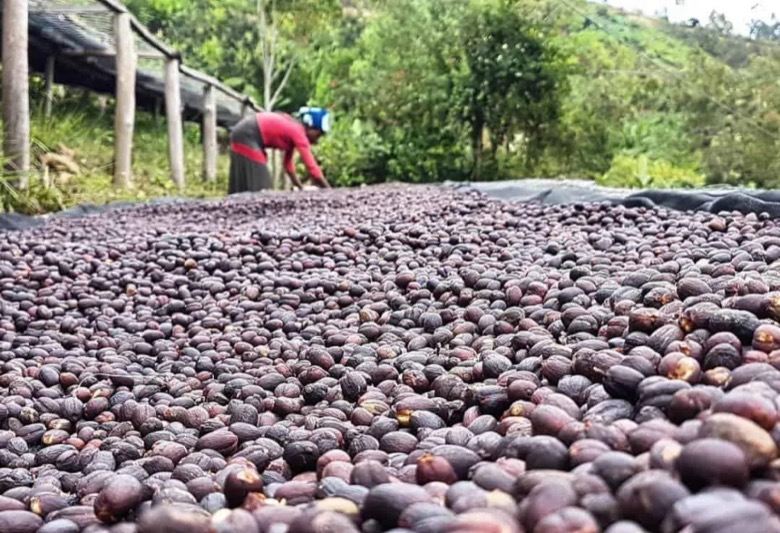
The flavor exploration of Arabica SOE has no endpoint; every harvest season brings new surprises. It is recommended to buy only one 250g bag of SOE beans at a time, drink for two weeks then switch to the next origin, building a systematic understanding of Arabica espresso flavors through comparison. Start with the mild Brazil, move on to the intense Mandheling, then to the bright Ethiopia, and finally challenge the floral Gesha, progressing step by step.
Related Reading


Comments (0)
Loading comments...
You May Be Interested




Trending Reviews
Popular Videos

With you, wherever you are! We provide useful features to help you find new things you'll love






