Source:Best Coffee > News Author:qjroot Published:2024-09-12 18:41:50
According to local Kenyan media reports, employees at Jomo Kenyatta International Airport (JKIA) in Nairobi, Kenya's capital, launched a strike on September 11 to protest the deal between India's Adani Group and the Kenyan government.

According to the Kenyan government, as the current operating capacity of Jomo Kenyatta International Airport exceeds the government's expectations and requires modernization, but the Kenyan government will not sell the airport, it has decided to upgrade the airport through a public-private partnership. It is reported that the government has received an offer from India's Adani Group, but after the Adani Group takes over the airport's operations, Kenya Airways employees will need to renegotiate their contracts with the new group, potentially facing the risk of unemployment. In addition, the new cooperation terms may include the introduction of non-Kenyan employees, which has triggered dissatisfaction among existing employees.
It is understood that Jomo Kenyatta International Airport (JKIA) is the largest airport in Kenya and the busiest airport in East Africa. Therefore, the impact of the strike is very significant. It is said that Kenyan airport employees began to slow down operations on the evening of September 10, which has already led to a large number of delays and cancellations of inbound and outbound flights. By September 11, strikes and demonstrations were already taking place inside and outside the airport, with stranded passengers crowding the area outside the airport.
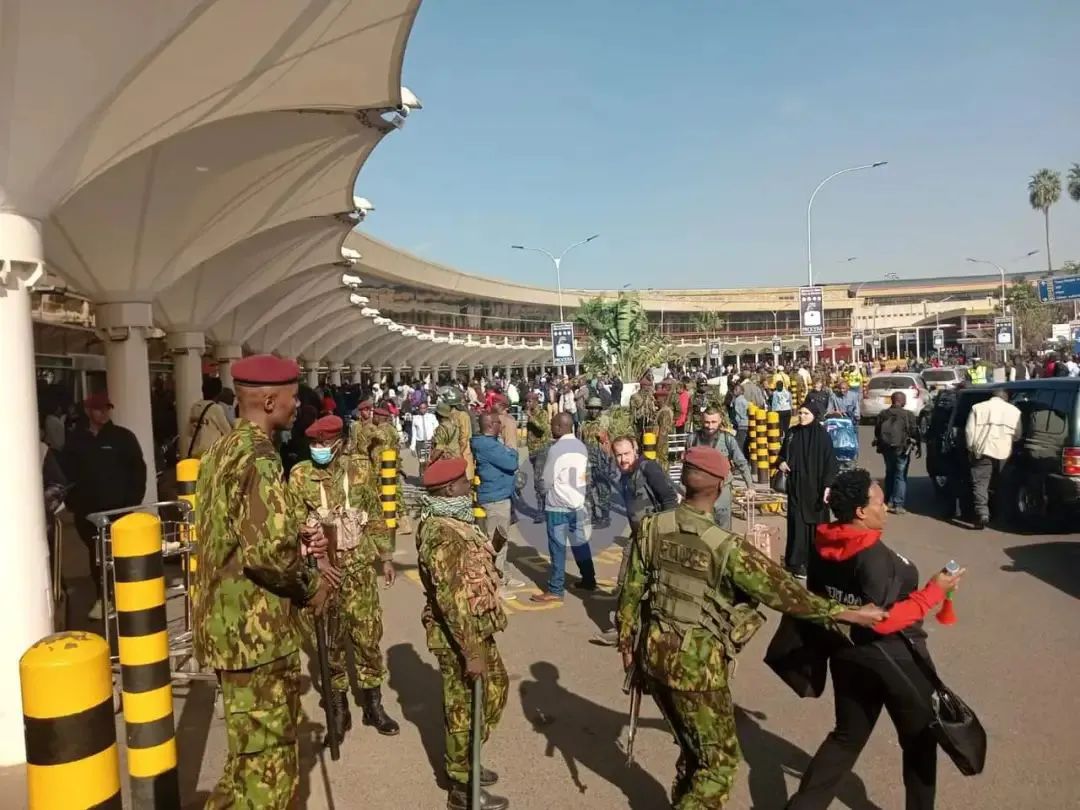
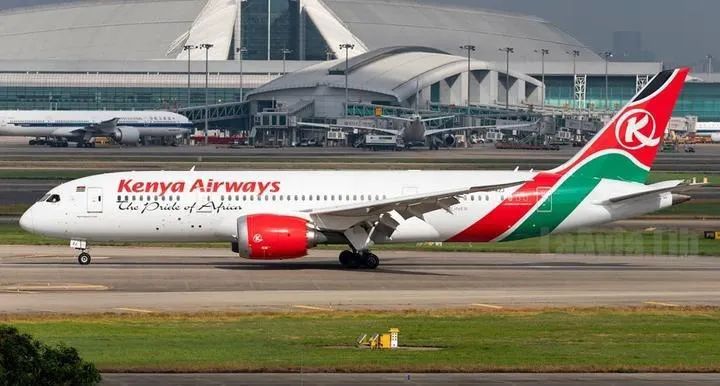
According to data from some flight-tracking apps, the most recent flight was from New York to this airport, and no other flights are flying to this airport. Affected by this, airport operations have fallen into chaos. Kenya Airways issued a notice stating that some flights have been delayed and may even be cancelled. At present, the government has dispatched military and police to take over airport security and maintain basic order at the airport.
It is said that data previously released by Kenya's Ministry of Finance stated that Kenya's current external debt is about 36.66 billion US dollars (about 4.7 trillion shillings). The Kenyan government needs to obtain more funds to repay its external debt, so the Kenyan government has rolled out a series of measures to obtain funds, such as increasing tariffs and through public-private partnerships.
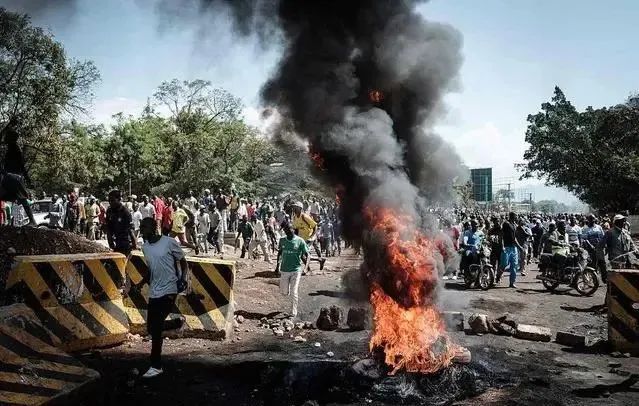
In June of this year, the government introduced a new finance bill that would impose a 16% value-added tax on the purchase of bread, sugar transport, the use of mobile communications and financial services, and foreign currency transactions. But the finance bill triggered public discontent, and protests against the tax increase broke out in many parts of Kenya, during which police clashed with demonstrators, causing multiple deaths and injuries. The protest clashes continued into early August, and in the end the president could only make concessions, cancel the finance bill, dissolve the cabinet and take other steps to soothe emotions.
But Kenya's foreign debt problem remains, and the government had to seek other ways to resolve its foreign debt, with airport investment being one such step, but at the same time it sparked discontent among the original airport employees, who launched strikes and protests at the airport. At present, the airport strike has had a serious impact; besides halting airport services, it has also affected the tourism industry, the freight industry and some other industries.
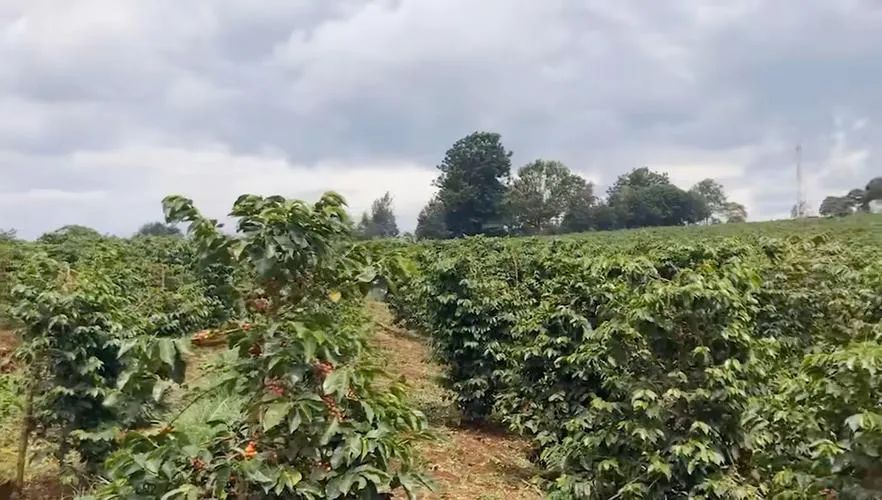
Since the airport is a key gateway for investors entering Kenya, the strike has had a markedly negative effect on market sentiment and could dampen the willingness of other countries or companies to invest in Kenyan industry, which is unfavorable to the development of other industries. Previously, Kenya also introduced new coffee industry reforms, which led several large coffee trading companies to close their Kenyan operations, coffee processing plants were also shut down, and some coffee processing factories suffered severe capacity shortfalls, ultimately leading to lower output and quality. At a time of high coffee prices, Kenya's export earnings continued to decline.
In addition, because the internal security situation in Kenya's neighbor Ethiopia is worrying, some coffee traders have reduced their trips to Ethiopia to buy coffee beans and turned to other African countries such as Kenya and Tanzania to source coffee. However, the ongoing airport strike in Kenya has likewise reduced coffee traders' willingness to go there. According to local coffee industry figures, Kenya is currently experiencing soaring prices, rising inflation, higher costs and a highly chaotic political situation due to its foreign debt problems. The prospects for the coffee industry's development are highly uncertain, and coffee selling prices keep rising, affecting its international influence.
To learn more about coffee origins and news, please scan the QR code to follow: Kaping
Long-press the QR code to follow:

Related Reading








Comments (0)
Loading comments...
You May Be Interested






Trending Reviews
Popular Videos

With you, wherever you are! We provide useful features to help you find new things you'll love






