Source:Best Coffee > News Author:qjroot Published:2026-09-07 13:35:48
Yirgacheffe is not a fixed "floral code," but rather a collective term for multiple origins and processing batches within the Sidamo region of Ethiopia. When actually selecting beans, the origin, cooperative or processing station, variety, processing method and roast date should correspond to one another, and then the flavors should be brewed out with suitable parameters. Once the parameters are dialed in smoothly, the bean's aroma, sweetness and aftertaste will form a coherent expression, and this is precisely an important clue for judging whether the information is credible.
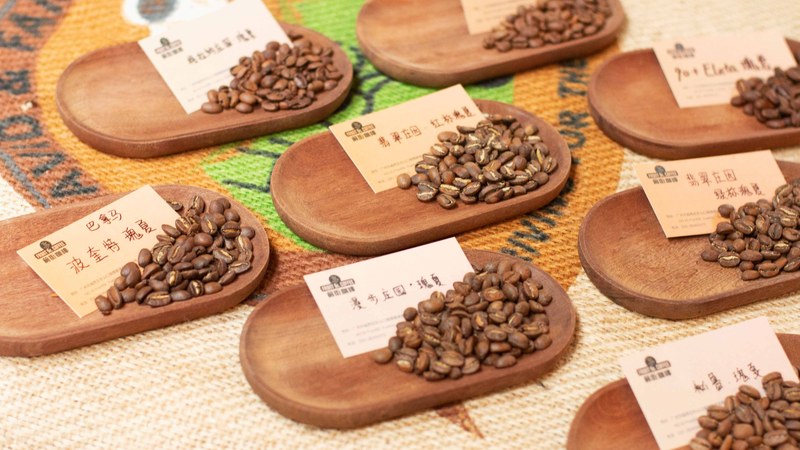
When you get beans labeled Yirgacheffe, you can first observe whether the dry aroma and the aroma after brewing clearly echo each other. Light-roast batches commonly show citrus, white flowers, tea-like notes or berry directions, but different batches will not completely overlap. If the packaging says vivid floral and fruity notes, yet after brewing only a single burnt bitterness remains, there is no need to jump to a conclusion immediately. First check the water temperature, grind and extraction time to rule out deviations caused by brewing.
For pour-over, you can start with 15 g of grounds and 240 g of water as a trial starting point, with a coffee-to-water ratio of about 1:16 and a water temperature of 91 to 94°C. Lighter beans need enough heat to open up their structure; if the beans are darker or the bitterness is obvious, it can be lowered to 89 to 91°C. During staged pouring, keep the coffee bed moist and avoid vigorous circular stirring. The total brew time can first be controlled at 2 minutes 30 seconds to 3 minutes.
If the first sip is sharply acidic and the aroma is short-lived, it usually means the release of solubles is insufficient. You can grind a little finer or raise the water temperature by 1 to 2°C. If the tongue feels dry and the finish is bitter, it means extraction has progressed too far; a slightly coarser grind and less agitation in the later stages will be more suitable. After adjustment, the floral notes should be easier to identify, and the acidity will shift from "prickly" to a bright sensation with sweetness.
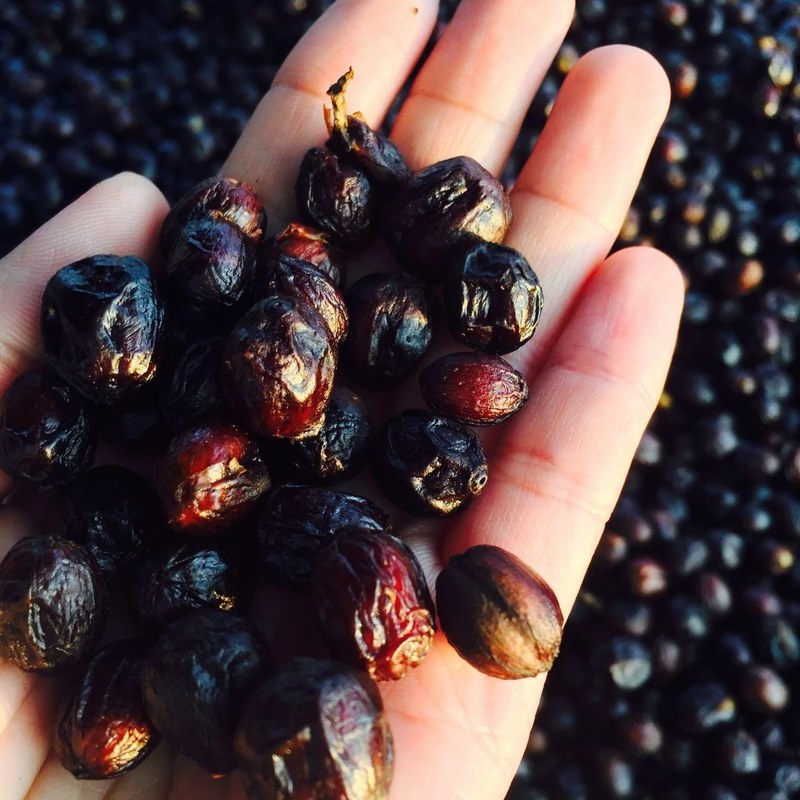
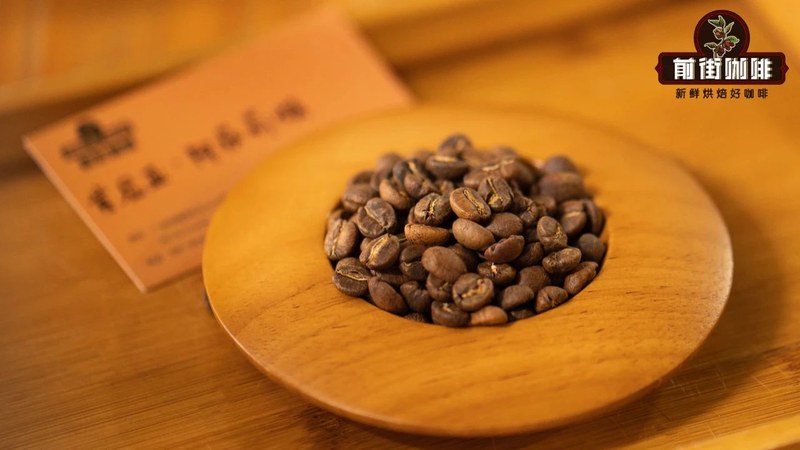
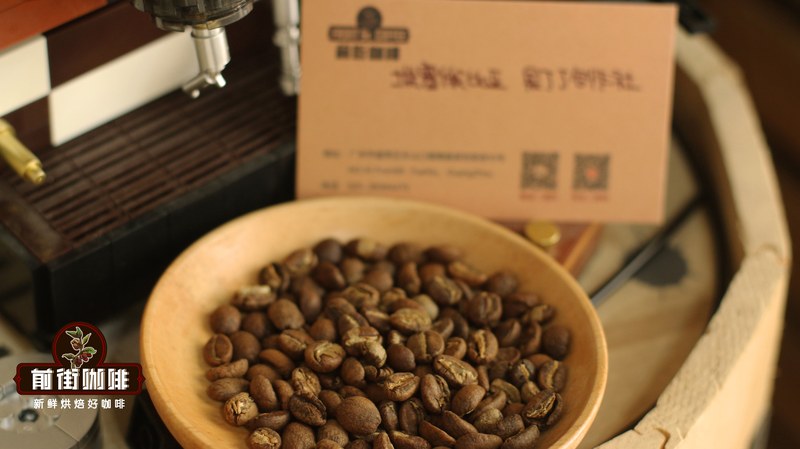
When using Qianjie Ethiopia Huakui as a pour-over reference, you can focus on the speed at which the aroma unfolds and the sweetness after it cools. Its fruit aromatics are relatively lively, making it suitable for around 92°C and a ratio of 1:15.5 to 1:16; if you want a lighter drink, use a slightly coarser grind and a faster flow rate. If you want the fruit flavor to be more concentrated, reduce the total water amount and make the final pour steadier.
Iced pour-over is not simply cooling down hot-brewed coffee; rather, the proportion of ice must be calculated in advance. For 15 g of grounds, you can brew with 150 g of hot water into a server, then add 90 g of ice, keeping the overall ratio still close to 1:16. The water temperature can be raised to 93 to 94°C, using the shorter hot contact to extract aroma, then letting the ice complete the cooling. In this way the floral and fruity notes are clear, and the acidity will not seem loose.
When put into an espresso machine, the light-roast characteristics of Yirgacheffe make extraction more difficult. You can start with 18 g of grounds, 40 to 45 g yield, and an extraction time of 28 to 34 seconds, keeping pressure near 9 bar and water temperature at about 93 to 94°C. The grind needs to be finer than for a conventional dark-roast espresso, but do not pursue only a slow flow rate; even distribution of the puck and stable tamping are equally important.
If the espresso liquid shows sharp acidity and a thin texture, you can first shorten the yield ratio to about 1:2.1, or raise the temperature by 1°C, so that sweetness and concentration become more focused. If obvious woody notes, dry bitterness and burnt flavor appear, then adjust the grind slightly coarser, end the yield earlier, and if necessary lower to 92 to 93°C. Pressure should not be changed repeatedly by large margins, otherwise it becomes difficult to judge the beans' own performance.
Qianjie Kaffa Forest can serve as another style reference for understanding temperature changes. Under lighter extraction it easily retains a bright citrus and apricot-like quality, while in the latter half of the pour-over it gradually reveals tea-like notes and a sweet, moist finish. If you make it as espresso, it is recommended to shorten the yield and reduce the amount of milk so that the delicate aroma is not completely masked by concentration and milk fat.
Judging authenticity cannot rely only on the flavor of one cup of coffee, because water quality, grinder, machine condition and roast level will all change the result. A more reliable way to choose is to check whether the origin level, processing station or cooperative, batch information, roast date and merchant description on the packaging match one another, and then brew two or three times with the same set of parameters. If the flavor can be reproduced consistently and the information also holds up to cross-checking, the purchasing judgment will be better grounded.
Yirgacheffe is suited to being explored through brewing parameters, rather than applying a fixed answer. If you like floral and fruity aromas, you can start with pour-over at a higher water temperature and a lower coffee-to-water ratio; if you prefer a rich mouthfeel, you can shorten the liquid weight in espresso while maintaining a fine grind and stable pressure. After choosing beans with clear information, record the changes in each sip and finish, and you will gradually find your own delicious solution.
Related Reading


Comments (0)
Loading comments...
You May Be Interested


Trending Reviews
Popular Videos

With you, wherever you are! We provide useful features to help you find new things you'll love






