Source:Best Coffee > News Author:qjroot Published:2024-07-22 18:14:50
According to the Department of Labor of Binh Duong Province, Vietnam, on July 20, a workers' strike occurred at Vietnam Hong Fu Co., Ltd. It is reported that this company is a furniture company, and as of July 21, a total of 422 workers had struck for 2 consecutive days, not going to work.
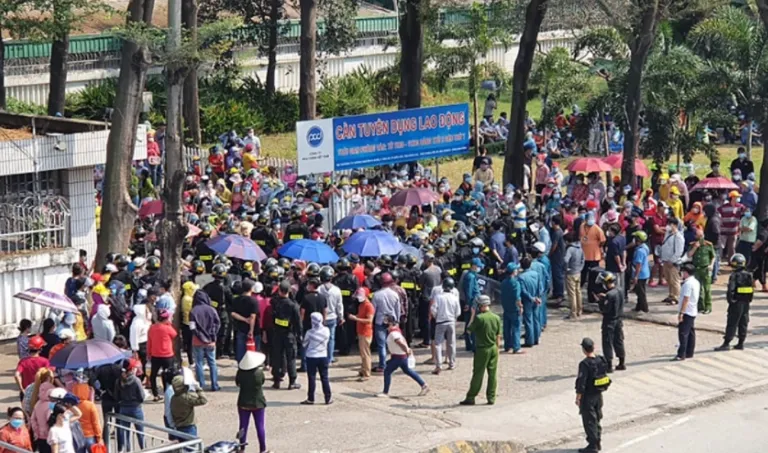
The reason for this strike was that on July 17, the company issued a notice stating that it would raise wages for all employees, but did not specify how much the increase would be, only stating that it would be adjusted upward in accordance with relevant legal regulations, and the notice had no legal representative's signature and no company seal. Therefore, the workers decided to strike, demanding that the company clarify exactly how much each worker's wage would increase.
At present, the provincial Department of Labor has instructed the company to adjust each worker's wage upward in accordance with Resolution No. 74/2024/ND-CP, and the company has resumed normal operations.
However, according to reports, during this period, multiple incidents of strikes by workers at foreign enterprises have occurred. In addition, leaders of the Binh Duong Provincial Labor Federation stated that nearly 100 workers at Vietnam Chen Tai Co., Ltd. stopped work. Meanwhile, about 1,500 workers at Vietnam Yupoong Co., Ltd. collectively stopped work because they wanted a wage increase.
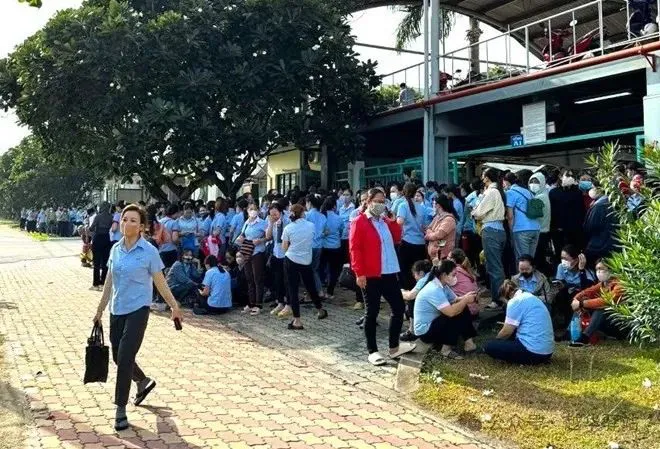
Most of the work stoppages were mainly due to a new policy Vietnam released earlier. Previously, Vietnam's National Wage Council proposed that the Vietnamese government raise the regional minimum wage for enterprises by 6%. It would also be divided into four regional categories depending on the region, and the wage increase would differ for each category.
As a result, these factories have recently been adjusting worker wages, but because the size of the increases did not meet workers' demands, workers at many companies' factories chose to strike, and most of the strikes were concentrated among foreign-funded enterprises in southern Vietnam.
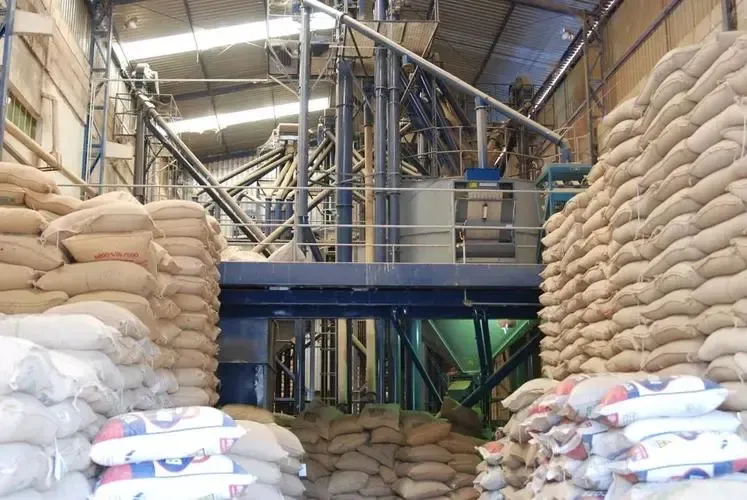
It is understood that Vietnam is the world's second-largest coffee exporter, so many domestic and international coffee companies operate coffee growing, processing, transportation, and import and export trading businesses in Vietnam, and therefore hire large numbers of workers. This policy has delighted Vietnamese workers, but for enterprises it will undoubtedly greatly increase labor costs. Moreover, this is only the beginning of the strike wave. Under the influence of these events, once workers are dissatisfied with the size of the wage increase, more workers may choose to strike.
Earlier, well-known Vietnamese coffee company Vinacafe issued a financial report stating that although the company achieved a profit in 2023, this profit was not enough to make up for its accumulated losses of more than 1.09 trillion Vietnamese dong (about 311 million yuan, 42 million USD). This increase in the minimum wage for workers may further increase the company's operating costs.

In addition, coffee cultivation in Vietnam has been affected by drought since the start of this year, resulting in severe production cuts. Domestic coffee prices in Vietnam have surged to 120 million Vietnamese dong per ton, and according to local traders, in order to fulfill previous contracts, they are buying coffee beans from farmers even at higher prices, which has led to a current shortage of funds, and combined with rising worker wages and the current market downturn, it may cause many traders to go bankrupt.
Moreover, the Red Sea crisis has been affecting Vietnam's coffee exports, because the Red Sea is the main route for Europe-Asia shipping, and the current Red Sea crisis means that Vietnam's coffee export routes to Europe need to take detours, greatly increasing shipping time and costs, causing some buyers to begin reducing their purchases of Robusta from Vietnam and turning to Robusta from other producing countries, which has severely affected the international influence of Vietnamese coffee.
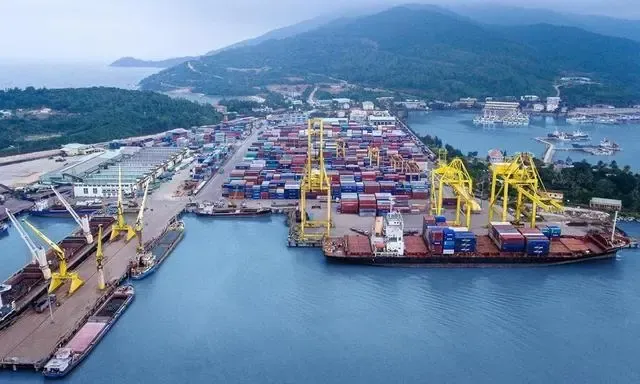
According to Vietnam Customs data, in the first half of this year Vietnam's coffee export volume was 893920 tons, a year-on-year decrease of 11.4%. Combined with low domestic coffee inventories in Vietnam and a supply shortage, and with about 4 months left until the next harvest season, traders say the current difficulties are expected to last until early 11, and during this period many coffee traders may also go bankrupt.
Related Reading




Comments (0)
Loading comments...
You May Be Interested



Trending Reviews
2024-10-11
Popular Videos

With you, wherever you are! We provide useful features to help you find new things you'll love






