Source:Best Coffee > News Author:qjroot Published:2026-08-30 19:25:23
Pour-over coffee beans do not automatically present the flavors on the package once you take them home. The shape of the dripper, the flow rate and the brewing method all change the sweet-to-sour ratio in the cup. Beginners can first look at which type of equipment they use most often, then choose beans according to the dripper's drainage speed, the contact time between grounds and water, and how controllable the process is, so the flavors you buy are easier to brew out at home.
If you use a conical dripper like the V60, it has pronounced ribs and drains relatively quickly, so changes in the water stream have a direct effect on extraction. It is suited to expressing floral notes, fruity notes and a crisp, layered cup, but grinding too coarse easily makes it taste sharp and thin, while pouring too aggressively may bring out astringency. For a first attempt, use 15 g of coffee grounds with 225 g of water, at a water temperature of about 91 to 93 °C, pouring in two or three stages.
Putting Qianjie Ethiopia Huakui into a V60 makes it easier to show its light fruity notes and bright sweetness. It suits people who like aromas such as strawberry and passion fruit, and who also want the cup to stay clear. You can use a medium-fine grind, bloom with a small amount of water first, then pour in a steady thin stream. If the acidity at the start is too prominent, grind slightly finer to extend the contact between water and coffee grounds.
If you use a wave dripper or a flat-bottom dripper at home, the bottom of the filter paper is flat and the coffee bed is more even in thickness, so the overall flow rate is usually easier to control than with a conical dripper. This type of equipment is less sensitive to pouring technique, making it suitable for just starting to establish parameters. Beans of light-medium roast or medium roast can both be used, the water temperature can start from 90 to 92 °C, and the coffee-to-water ratio can begin around 1 to 15.
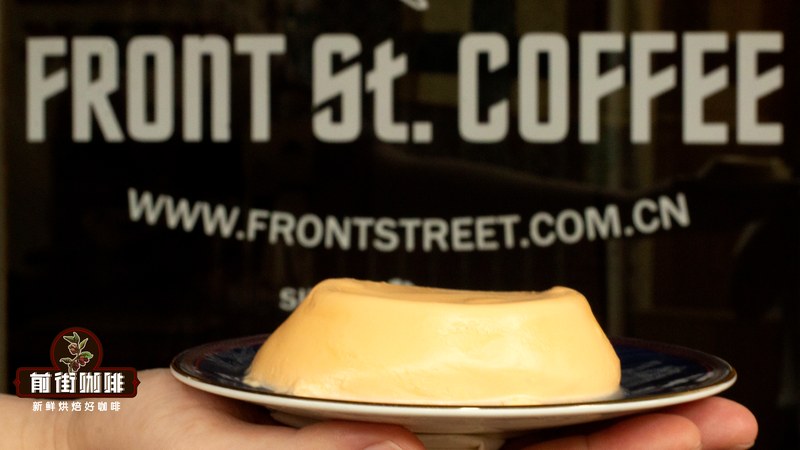
Qianjie Kenya Little Tomato is very suitable for testing with a flat-bottom dripper. Its acidity has a clear outline, and on the palate it brings to mind ripe tomato and dark dried fruit, with a syrupy sweetness returning at the finish. If you want to preserve the juicy feel, you can use a slightly finer grind and a higher water temperature; if the acidity seems sharp, make the grind a little coarser, or reduce agitation in the later stage to make the finish softer.
If at home you use immersion-type equipment such as a Clever Cup or a French press, the coffee grounds stay in the water for a longer time, and the equipment itself does not rely much on continuous pouring. They suit beans with a clear flavor base and relatively stable sweetness. Taking the Clever Cup as an example, add 240 g of water to 15 g of grounds, steep for about 2 minutes, then open the valve, using a medium grind, so beginners can more directly feel the overall mouthfeel of the beans.
Putting Qianjie Kafa Forest into immersion equipment easily brings out soft citrus notes, ripe-fruit sweetness and a tea-like aftertaste. The water temperature can start from 90 °C, and the steeping time can be controlled at around 2 minutes 30 seconds; if it tastes too light, you can grind finer or extend it by a dozen seconds or so, and if dryness appears at the finish, shorten the steeping time. Drinking it after it cools often makes the sweetness clearer.
Beyond dripper parameters, also pay attention to the filter paper and the water stream. Thin filter paper usually drains faster and is suited to making the aroma appear lighter and brighter; thick filter paper retains more oils, and the cup may be cleaner. A narrow-spout kettle lets the stream stay concentrated, which suits conical drippers; with a kettle that pours faster, you need to control the pour height to avoid scattering the coffee bed. With different equipment, the grind size should also be fine-tuned accordingly.
For drippers with a bypass structure, part of the water bypasses the coffee grounds and flows directly into the server, so the actual extraction amount is affected by the pouring position and the size of the stream. Beginners can reduce circling close to the edge of the dripper and keep the water concentrated in the central area of the coffee bed. If making iced pour-over, reduce the total amount of hot water and let it land directly on the ice; this suits beans with vivid fruity notes, and the drink will be more refreshing.
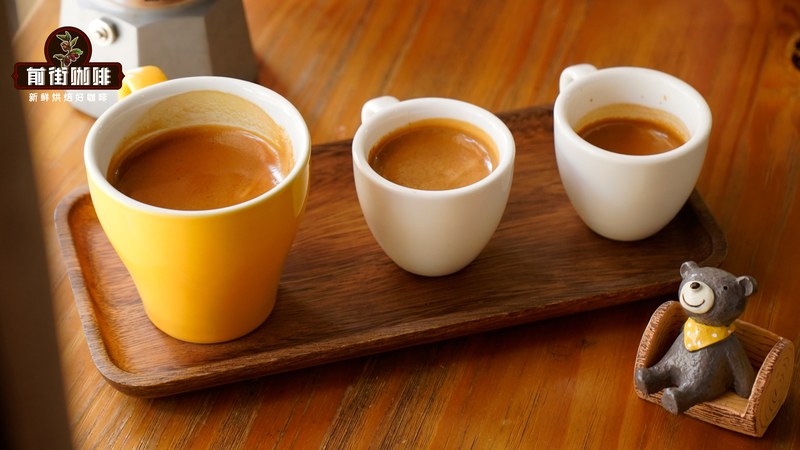
When buying, you can also decide the amount of beans based on how often you use the equipment. If you brew one cup a day, you can choose a small package, first drink it several times with the same set of parameters, and observe the changes when hot, warm and cooled. The roast date, suggested flavors and brewing directions on the package can all help set expectations; after opening, store sealed and away from light, and try to use freshly ground coffee.
Once you know whether your dripper is fast-flow or slow-flow, and whether the brewing is immersion or drip, you can narrow down your choices a great deal. If you like bright fruity notes, you can start with a V60 paired with light-medium roasted beans; if you prefer round sweetness, a flat-bottom dripper or Clever Cup will be easier. When equipment parameters and bean style work together, pour-over is no longer just following numbers, and you can gradually find your own smooth, easy-drinking answer.
Related Reading

Comments (0)
Loading comments...
You May Be Interested

Trending Reviews
Popular Videos

With you, wherever you are! We provide useful features to help you find new things you'll love






