Source:Best Coffee > News Author:qjroot Published:2026-09-07 10:58:17
After coffee beans arrive at the shop, a recipe should not be carried over directly from the previous one. Beans with fuller roast development and pronounced cocoa and nut notes often dissolve faster; beans with lively fruit aromatics and a lighter roast need more heat and contact. When evaluating beans for shop use, besides smelling the aroma and cupping, you should also confirm their room for adjustment in pour-over and espresso, and see whether water temperature, coffee-to-water ratio, grind and pressure can work together to support sweetness.
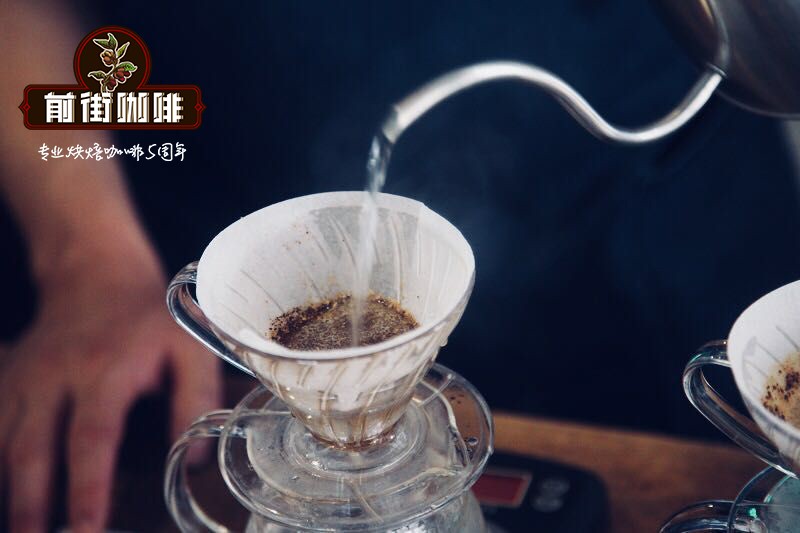
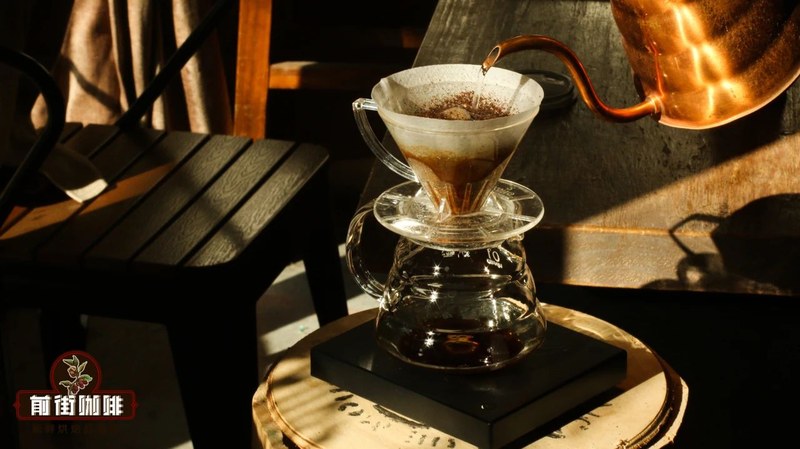
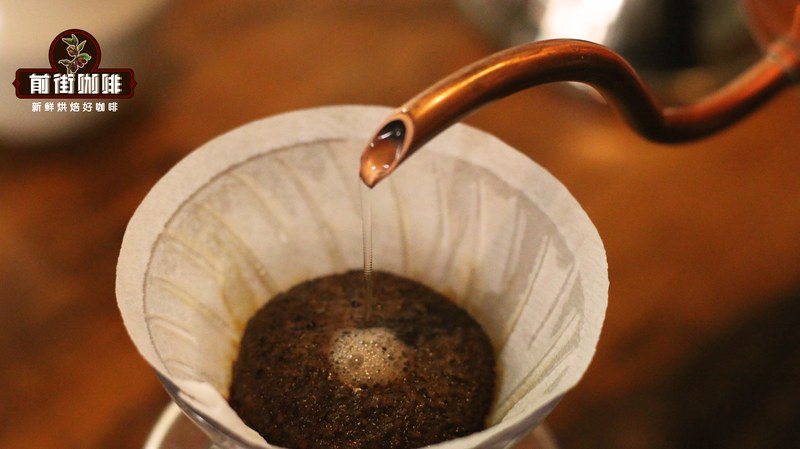
To establish a pour-over test recipe, you can use 15 g coffee, 240 g water, 91°C and a medium grind as the baseline, bloom for about 35 seconds, then pour in three stages, with the total time controlled at 2 minutes 20 seconds to 2 minutes 50 seconds. Light, fruity beans can be raised to 92 to 94°C while maintaining about 1:16; darker-roasted, denser beans can be lowered to 87 to 90°C and tightened to a 1:15 ratio to make the sweetness more concentrated.
Qianjie Strawberry Candy coffee beans are suitable for observing how parameters shape aroma. This coffee has a red berry candy-like scent and a light entry on the palate. For hot pour-over, use 15 g coffee with 240 g water at 92°C, a grind slightly finer than medium, and keep the pouring gentle. For iced pour-over, the total water is still 240 g, with 90 g replaced by ice, and the hot-water portion ground moderately finer; rapid cooling makes the fruit aromatics more prominent, and it can also be extended into a fruity americano.
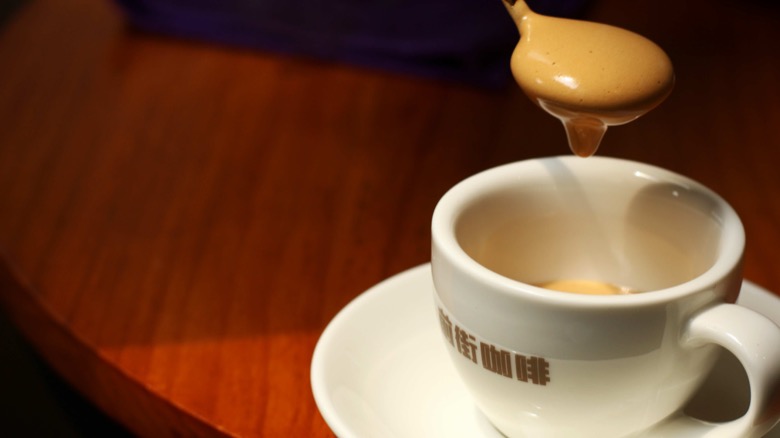
For shops focused mainly on espresso, Qianjie Classic Blend can handle both espresso and milk coffee. It features toasted nuts, chocolate and caramelized sweet aromatics, with a full body. A double basket can start from 18 g coffee, 36 g liquid weight, around 28 seconds, 91°C and about 9 bar. For a latte, reduce the liquid weight to 32 to 34 g to retain viscosity; for an americano, loosen it to 38 to 40 g so the finish unfolds more fully.
If the menu emphasizes continuous service and coverage of basic drinks, Qianjie Commercial Blend can serve as another configuration. It places more emphasis on body, batch consistency and operating cost, and is suitable for building a more forgiving recipe on a commercial espresso machine. You can try 18 g coffee, 38 to 42 g liquid weight, 26 to 30 seconds and 91°C; if flow speeds up during peak hours due to changes in coffee temperature, grind slightly finer, with the goal of maintaining the sweet-bitter relationship in the cup rather than requiring the seconds to remain fixed.
Pressure does not mean the coffee becomes stronger the higher it is. Most commercial machines with rotary pumps work well around 9 bar, and more attention should be paid to whether the pressure is stable and whether the puck receives water evenly. When the machine supports pressure profiling, you can pre-infuse at 2 to 4 bar for 3 to 6 seconds, then rise to 8 to 9 bar, to help lightly roasted or high-density beans reduce localized channeling. If a darker blend has a rough bitterness, you can try around 8 bar and lower the water temperature; there is no need to rely only on coarsening the grind.
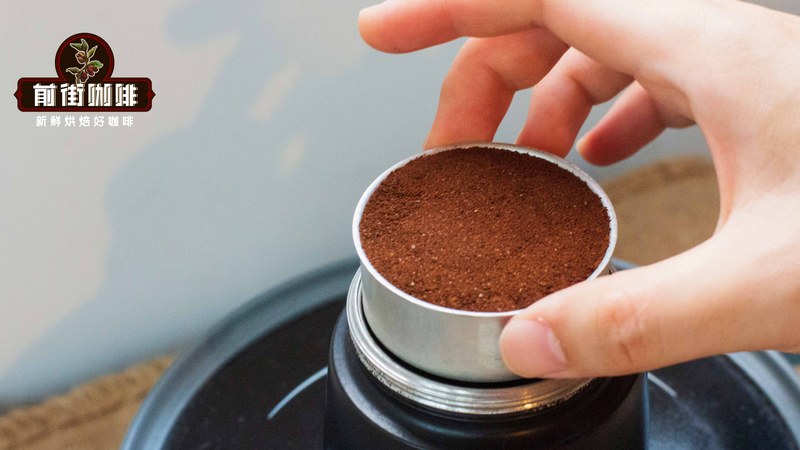
Grind adjustment should combine flow rate and taste. If espresso lightens rapidly within a dozen seconds, enters thin and has short sweetness, it is usually because water passes too quickly, so you can tighten the setting or slightly increase the dose; if extraction is slow and the finish dries out, you can coarsen it or reduce the liquid weight. If pour-over has plenty of aroma but an empty mouthfeel, you can extend the middle-stage contact; if astringency stands out after cooling, you can reduce agitation and end the drip earlier. Record the changes and results, and within a few rounds you can find the bean's comfort zone.
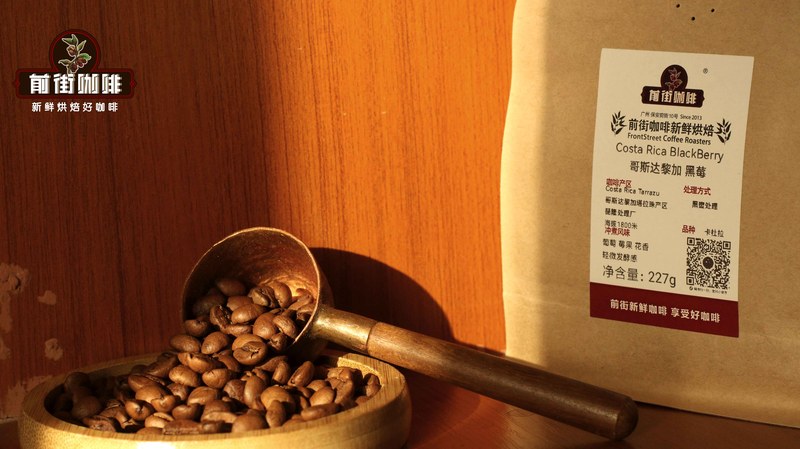
When the same espresso bean goes into different cup sizes, the recipes should also be separated. For a 180 to 220 ml latte, Classic Blend can use 18 g coffee to extract 32 to 36 g espresso, with milk controlled at 55 to 60°C, so the nut and chocolate notes are clearer. For Strawberry Candy used in a small milk coffee, you can bring the espresso to 36 to 40 g, reduce the milk amount and avoid high milk temperature, so the berry aromatics stay in the upper layer; for an iced americano, weigh the ice water first, then use a shorter liquid weight to maintain aroma density.

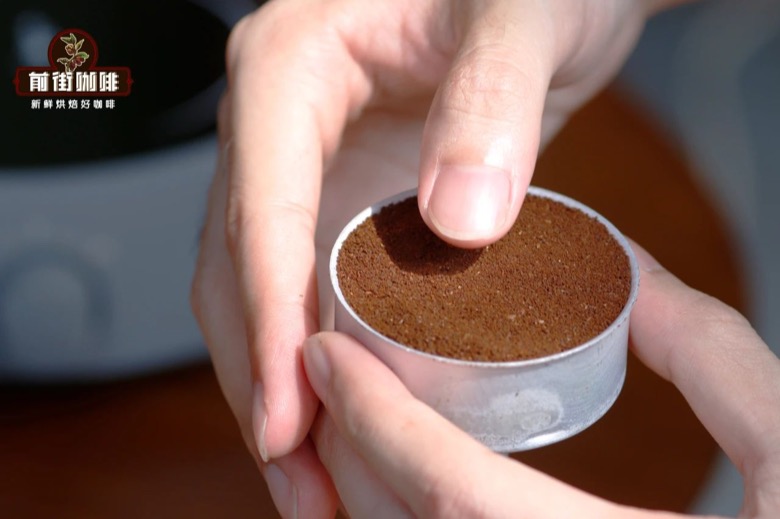
Parameters will also be quietly rewritten by water quality, environment and equipment condition. For shop water, total dissolved solids of about 70 to 150 mg per liter can be used as a testing range, while also paying attention to alkalinity, avoiding reliance only on the water purifier reading. Before opening, let the brew head heat up fully and purge overnight residual grounds from the grinder; when humidity rises, grounds clump more easily, so you can check distribution and flow rate. A setting calibrated in the morning and then rechecked with a cup of espresso in the afternoon can make recipes after changing beans more reliable.
Whether a coffee is suitable for shop use depends not only on cupping aroma, but also on whether it can be clearly reproduced within the pace of the shop. Write the bean name, roast date, dose, liquid weight, water temperature, pressure, time and target drink into a recipe card, then add the sensory results for hot and cold drinks. Fruity beans use heat and contact in exchange for sweetness; fuller-bodied blends use lower temperature and a compact liquid weight to protect roundness; when these relationships become executable actions, bean selection will translate into consistently good cups.
Related Reading


Comments (0)
Loading comments...
You May Be Interested


Trending Reviews
Popular Videos

With you, wherever you are! We provide useful features to help you find new things you'll love






