Source:Best Coffee > News Author:qjroot Published:2025-03-29 09:39:51
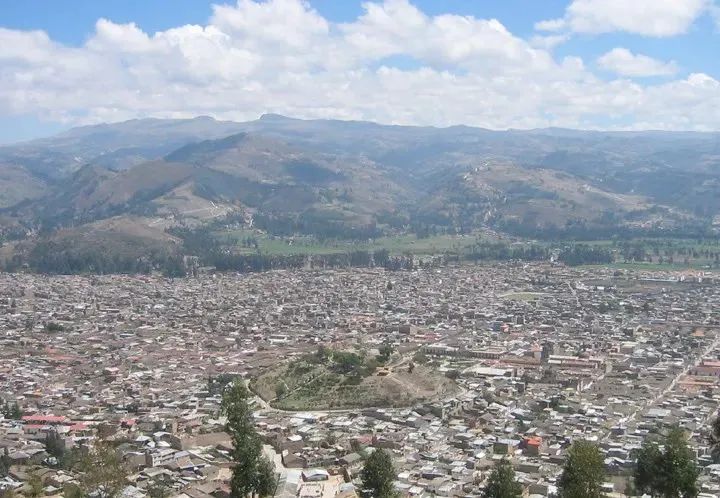
Peru is the world's 11th largest coffee-producing country, with 10 coffee regions in total, each offering its own unique flavor experience. Peruvian coffee may not sound very famous, and it has few fans. In fact, FrontStreet Coffee believes that the flavor of Peruvian coffee is not bad at all; its taste is mostly fairly clean and mild, sweet, with relatively high body. In the past, some thought Peruvian coffee lacked complexity, but FrontStreet Coffee feels that today more and more Peruvian coffees have unique flavors and are full of juiciness.
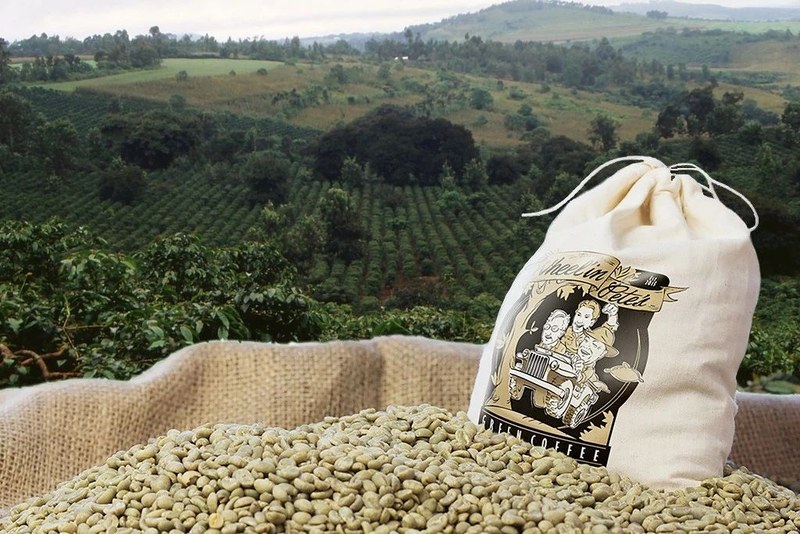
Peru is dominated by smallholders; each smallholder's land is less than two hectares, and each hectare produces about 3,000 pounds of coffee. Organic cultivation has a very long history in Peru and is quite common. But in recent years, due to climate change, coffee leaf rust has spread from country to country, and because of organic cultivation, it has also caused a large drop in Peru's coffee production. Peruvian coffee is shade-grown at high altitudes, mainly Arabica varieties. With slow ripening and growth, the beans here have higher density and quite varied flavors. Among them, the highest-altitude and most important coffee region in Peru is Chanchamayo, located in the central highlands on the eastern side of the Andes. Next are Amazonas and San Martin, located in the northern highlands on the eastern side of the Andes.

Peruvian coffee has always been used as one of the blending beans that stabilize the body of coffee blends, and it is relatively low-profile in the coffee world. But as more and more people come to love the rich, mellow taste of Peruvian coffee, Peruvian coffee has risen rapidly in the international market in recent years, becoming a rising star in the coffee world.
Peruvian History
Peru once nurtured the Norte Chico civilization, one of the earliest human civilizations in the Americas, as well as the Inca Empire, the largest state in the Americas during the pre-Columbian period. Unfortunately, it later became a Spanish colony, and the following centuries were marked by continuous war.

Before the 1980s, because of political, economic and social problems, Peru's coffee farming was almost interrupted, and it was rarely exported to the international market, so it was gradually forgotten by people, and it was not until after the mid-1990s that it returned to people's sight again.
Also for this reason, most of Peru's coffee farms retain old varieties, mainly Typica. In addition, most Peruvian coffee is grown under shade, the green beans are processed using the washed process, and Peru's coffee farms do not use synthetic fertilizers, but instead use natural fertilizers. As a result, Peru has many organic coffees, and has become the coffee origin with the best environmental conditions.

Peruvian coffee has been very popular in the international market in recent years, frequently winning international coffee gold awards, and Peruvian coffee's rich mouthfeel and soft acidity are much loved. Peru has now become the world's fourth-largest Arabica coffee exporting country.
Diverse Land Produces High-Quality Coffee
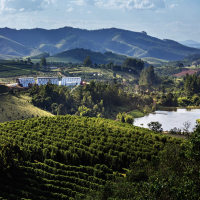
Peru is located in western South America, with a coastline of 2,254 km, a dry and mild climate suitable for coffee cultivation, and it also has other natural environments, including the world's longest Andes mountain range, tropical rainforests, hills with unique terrain, and dry deserts, and so on; this vast and diverse land allows Peru to produce a large quantity of coffee beans with different flavors.
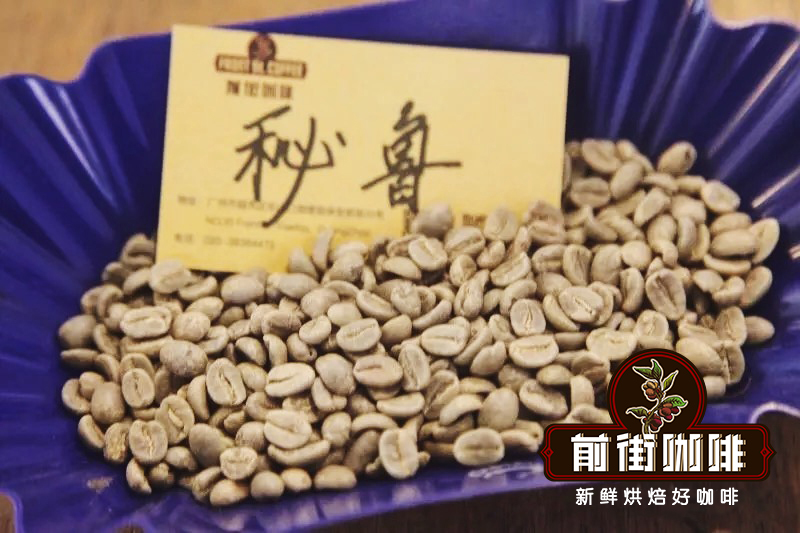
More than 90% of Peru's coffee is grown in the north, in the valleys east of the capital Lima, and in the forested areas on the slopes of the Andes. Peruvian coffee is characterized by its rich acidity and mellow smoothness. Top-quality Peruvian coffee has an intense aroma, a smooth body with distinct layers, and a rich sweetness; its most distinctive trait is that very soft acidity, which instantly made FrontStreet Coffee fall in love with it.
Coffee Regions
Specifically, in Peru's three coffee regions of the north, center and south, 70% of the coffee varieties are Typica, 20% are Caturra, and the rest are other varieties such as Catimor. Because of Peru's complex and diverse natural resources and rich and varied culture, the coffee produced in different regions each has its own characteristics.
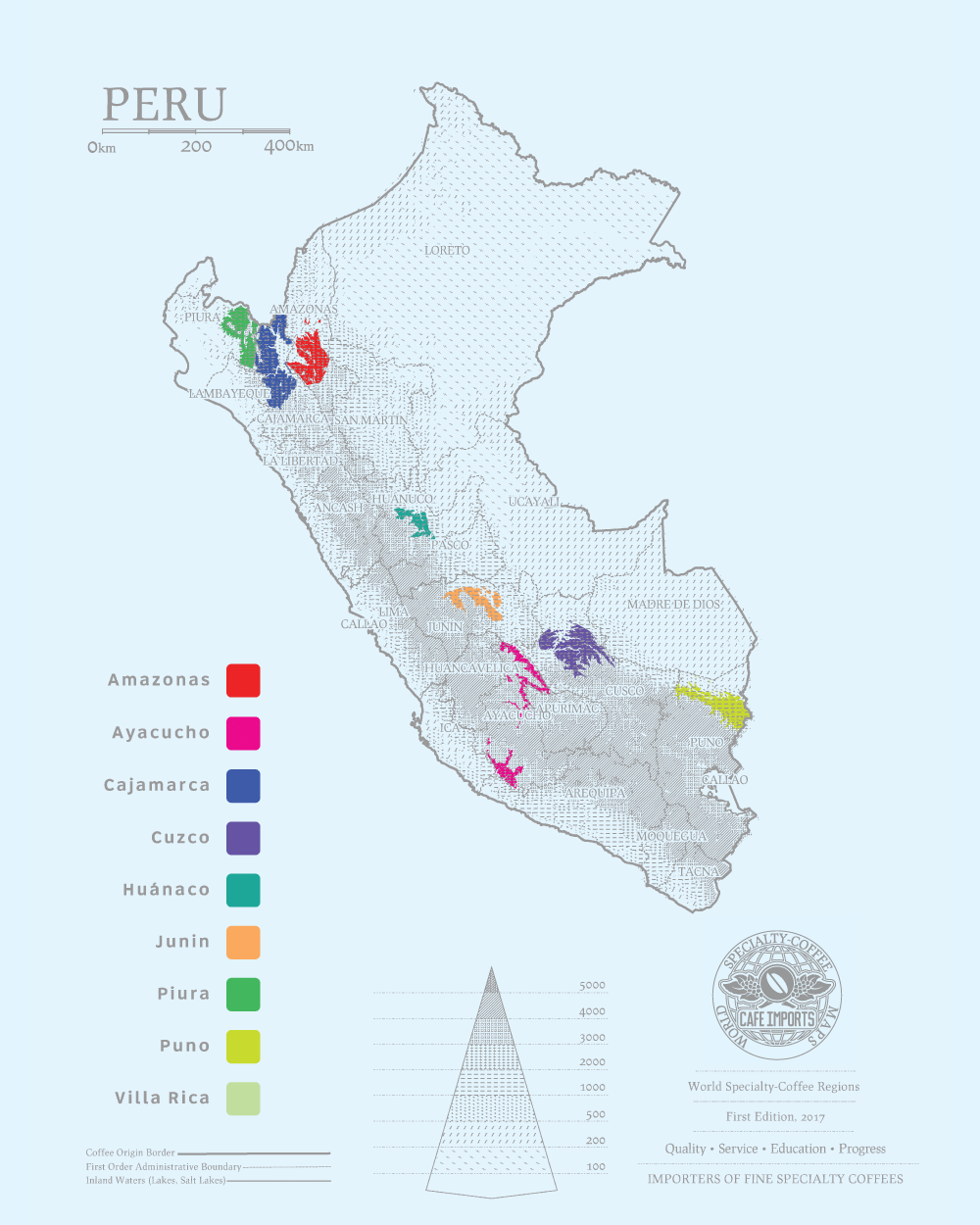
Northern Region
The northern region accounts for 43% of Peru's total coffee-growing area, covering the Amazonas region, Cajamarca region, Piura region, and San Martin region.
Altitude: 1250-1950m
Humidity: 12%
Color: dark green, blue-green
Plant ecology: Asteraceae, bitterwood, ferns, Bromeliaceae, Orchidaceae, Cedrela
Animal ecology: cock-of-the-rock, cougar, giant anteater, Andean deer, squirrel
Cajamarca Coffee Region CAJAMARCA
This region is located in northern Peru, named after its capital, and covers the northern end of the Peruvian Andes. The region's advantages lie in its equatorial climate and soil suitable for coffee cultivation. Most producers, although smallholders, are well organized and affiliated with organizations. The organizations provide producers with technical assistance, training, loans and other support. One such organization, CENFROCAFE, has 1900 smallholder households in the region, promoting coffee roasting and local cafes to help farmers diversify.
Altitude: 900-2050m
Harvest: March-September
Varieties: Typica, Caturra, Bourbon, Pache, Catua
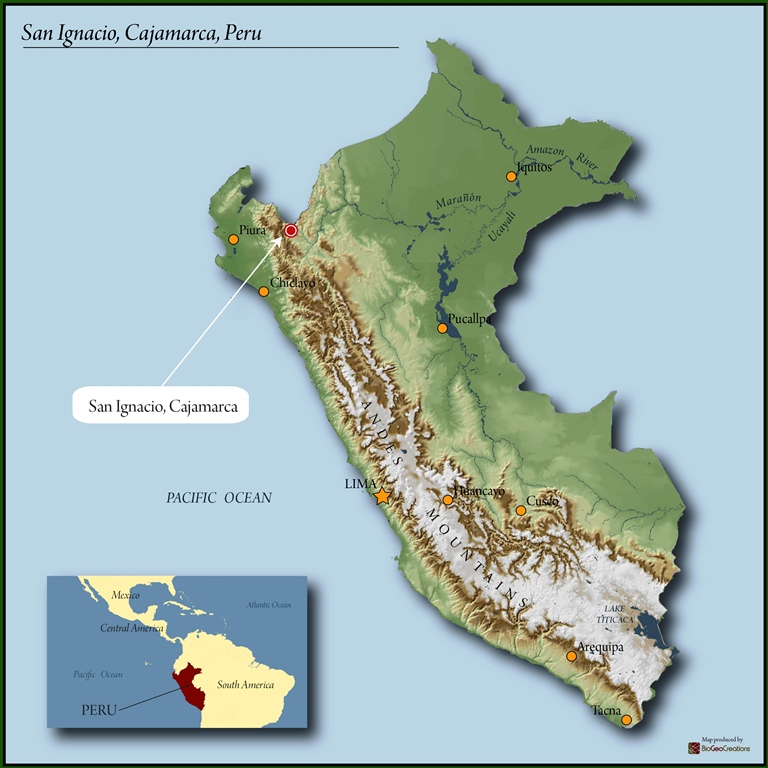
Coffee produced in the north has higher acidity, a rich flavor and abundant aroma, with moderate body and character. Some people taste more chocolate and nut notes than in coffee from the south.
Central Region
Coffee-growing areas in the central region account for 34% of Peru's national total, covering Hunuco, Junin, Pasco and Ucayali.
Altitude: 800-1200m
Moisture: 11%-12.5%
Color: grayish green
Plant ecology: fungi, tree family, Bromeliaceae, ferns, Orchidaceae
Animal ecology: wild turkey, cock-of-the-rock, parrots, rails, spiny rats, wild boar, frogs, snakes, reptiles, Anser
JUNIN
This region produces about 20%-25% of Peru's coffee, grown in the rainforest. From the 1980s to the 1990s the region suffered guerrilla attacks and the spread of plant disease. Only in the late 1990s did the coffee industry formally restart.
Altitude: 1,400-1,900m
Harvest: March-September
Varieties: Bourbon, Typica, Caturra, Pache, Mondo Novo, Catuai
The biggest characteristic of coffee from the central region is its just-right acidity, light and gentle aroma, and a smooth body that is not overly heavy, quietly awakening your taste buds.
Southern Region
Coffee-growing areas in the south account for 23% of Peru's national total, covering Apurimac, Ayacucho, Cusco, Madre de Dios and Puno.
Altitude: 900-2050m
Moisture: 11.5%-12.5%
Color: grayish green, blue-green
Plant ecology: Orchidaceae, cinchona, Cattleya
Animal ecology: a wide variety of butterflies, curassows, spectacled bears, toucans, spider monkeys, macaws, parrots, woodpeckers
CUSCO Growing Region
This growing region is located in southern Peru, where most coffee is grown by smallholders rather than large estates. Tourism in the area is booming, and many visitors travel from the city of Cusco onward to Machu Picchu.
Altitude: 1,200-1,900m
Harvest: March-September
Varieties: Bourbon, Typica, Caturra, Pache, Mondo Novo, Catuai, Catimor
Flavor Characteristics of Peruvian Coffee
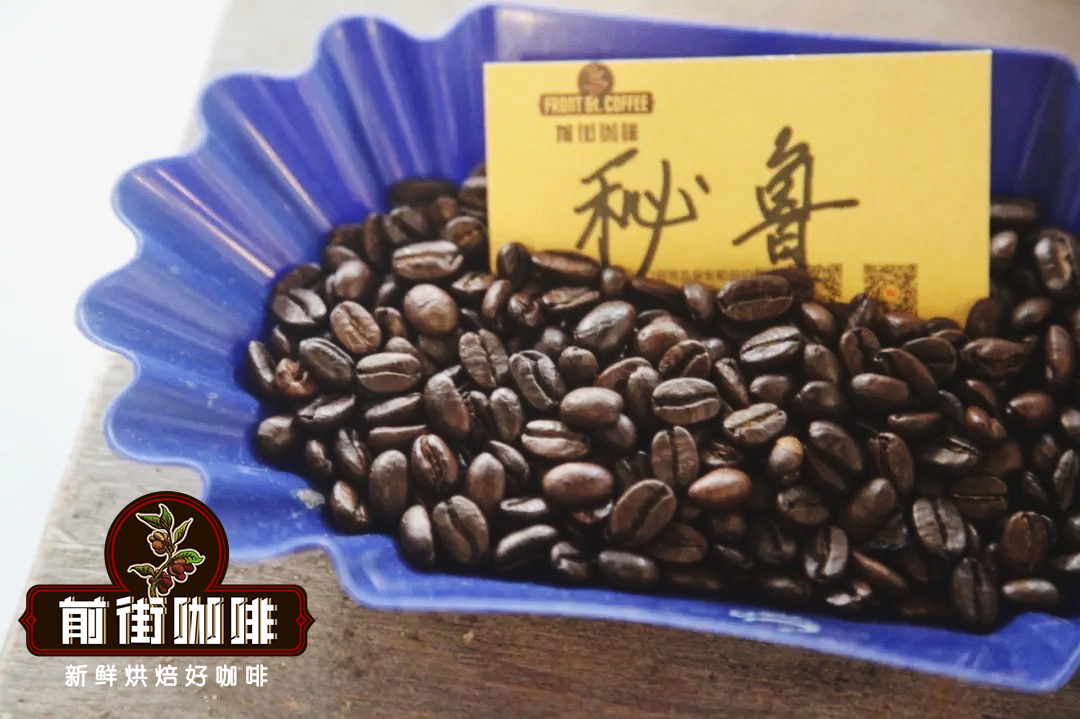
Peruvian coffee beans look somewhat like the color of semi-washed coffee. Moderate body, high-quality balance and palatable acidity are among their main characteristics, along with a slight nutty flavor and a mild, slightly acidic mouthfeel.
Peru Coffee Grading System
Peruvian coffee beans are classified by altitude into SHG (Strictly High Grown), SG (High Grown) and SC (Central Standard). Basically, the higher the altitude at which the coffee tree grows, the harder the coffee beans will be; this is because factors such as low temperatures, short sunlight hours and high humidity cause the coffee to grow more slowly, producing denser fruit, and the flavors of the coffee beans in all aspects, such as acidity and sweetness, will be more saturated.
Strictly High Bean (SHB) extremely hard bean: above 1350m.
High Bean (HB) hard bean: 1200-1350m.

Peru's Processing Methods
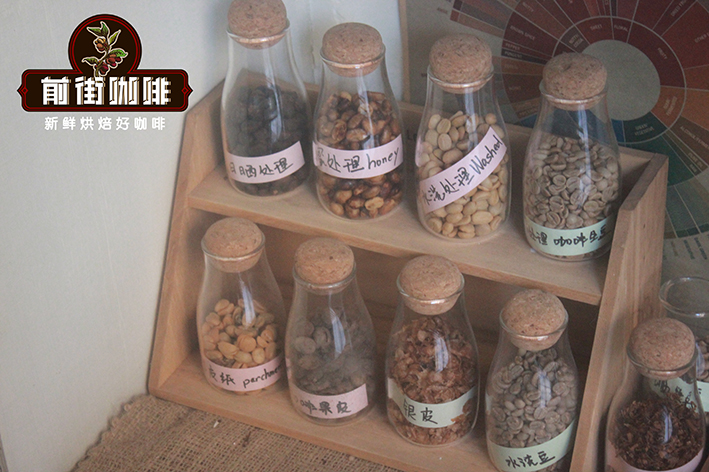
Because Peru is abundant in water resources, the traditional processing method is mainly washed, followed by natural. Among the coffee estates that Vela Ethan works with, the new processing methods include red honey, double anaerobic fermentation + washed, or anaerobic fermentation + natural. For example, the process of double anaerobic fermentation + washed: in the first stage, the coffee beans with their skin (Exocarp) are placed in a sealed tank for 14 hours ~ the skin is removed ~ part of the pulp and skin are left and a second fermentation is carried out for 24 hours ~ washed three times ~ sun-dried ~ hulled. During anaerobic fermentation, the temperature is controlled between 18-22 degrees, and the sun-drying temperature is also controlled at 30-35 degrees, etc.
Roasting Recommendations
Peruvian coffee of outstanding quality has a rich aroma, a smooth mouthfeel, distinct layers, rich sweetness, and contains an elegant and mild acidity. Therefore FrontStreet Coffee recommends using a medium-dark roast level to bring out its flavor characteristics.

Brewing Recommendation
This time FrontStreet Coffee used a French press to run a brewing experiment on Peruvian coffee.
Steps (2 servings of coffee):
1. Weigh 20 g of beans, BG grind 6M (China standard No. 20 sieve, 70-75% pass rate), coffee-to-water ratio 1:15, water temperature 86°C~88°C.
2. Add water to the French press to preheat it, then pour it out; pour the ground coffee into the French press.
3. Pour in the hot water and start the timer; after pouring, stir gently to make sure all the ground coffee is saturated.
4. After 3 minutes, slowly press the plunger down and pour it out.

Related Reading
Comments (0)
Loading comments...
You May Be Interested

Trending Reviews
Popular Videos

With you, wherever you are! We provide useful features to help you find new things you'll love






