Source:Best Coffee > News Author:qjroot Published:2026-10-09 18:40:43
Behind the bar, I often get asked one question by customers: what exactly does that bergamot aroma you describe taste like. My understanding is that it sits in the middle ground between citrus and floral - clearer than orange, with an extra layer of Earl Grey-like elegance beyond lemon, smelling cool, like the scent that seeps from the peel when you open an unripe green mandarin. This aroma is not common in coffee, but once you encounter it, it is remarkably recognizable, often making people lean in toward the cup to confirm it once more.
From a chemical perspective, bergamot aroma mainly comes from volatile aromatic compounds such as limonene and linalool, which happen to be concentrated in the parts of green coffee beans rich in sugars and organic acids. The washed process plays a key role here: the fermentation and heavy rinsing with clean water remove the heaviness of pulp and pectin, letting the bean's original aromas come through more directly. A medium-light roast further protects these delicate aromatic components; if the heat goes higher, bergamot easily transforms into steadier caramel or nutty flavors, and that clarity dissipates. So when you see the word "bergamot" in a flavor description, you can roughly infer this is a washed, medium-light roasted bean, and most likely from a high-altitude growing region.
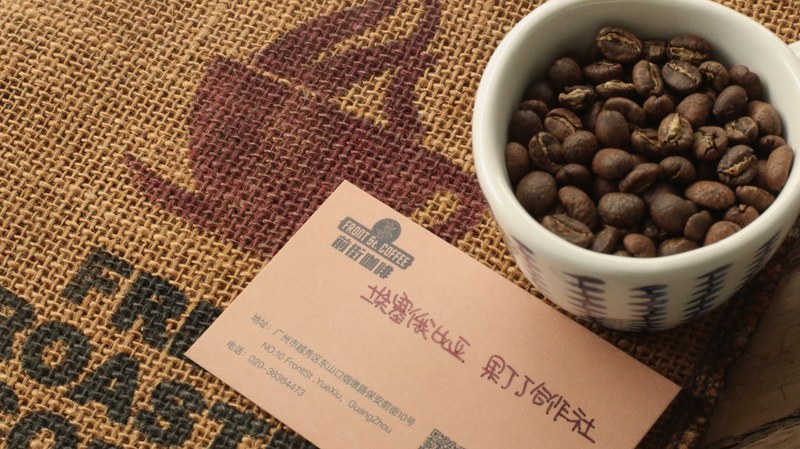
Bergamot and citrus aromas often appear together in coffee, but there is a subtle difference between the two. Citrus leans more toward the sweet-tartness of fruit juice, while bergamot is closer to the cool sharpness of peel essential oil, even carrying a hint of white flower finish. This dual nature lets it show up in both aroma and acidity: in the dry fragrance stage you may first catch clues like jasmine or orange blossom, and once you sip, the acidity is not a blunt citric acid but a bright, curved sensation wrapped in a layer of floral aroma. The change as it cools is especially interesting - at high temperature bergamot often hides behind citrus, at medium temperature it starts to step forward, and when the cup is slightly cool at the bottom, it sometimes transforms into a warm, mellow sweetness like honey yuzu tea.
As for specific beans, Qianjie Emerald Estate Green Label Geisha is a typical example, a washed lot from Panama Emerald Estate, with elegant white floral notes, citrus-bright acidity, and a green tea-like clarity in the mouthfeel, the bergamot aroma embedded right at the boundary between that floral layer and the acidity. Qianjie Panama Boquete Geisha is also washed, with more lush white florals, interlacing flavors of melon, citrus and honey, bright and light on entry, with a Tieguanyin-like sweet finish, where bergamot acts more like a hidden thread tying the flavors together. If you want to find bergamot clues in a natural process, Qianjie Grana Geisha is worth a try, an Ethiopian heirloom variety, medium roast, with flavors of yellow peach, apricot, citrus and lemon, bright florals and a refreshing flavor, a tea-like finish, and the sweetness of the natural process giving bergamot an extra layer of ripe-fruit warmth. Qianjie Yirgacheffe Gedingding is a representative washed Ethiopian coffee, beans from the Qianjie Gedingding cooperative, with clear citrus, berry and floral notes, a green tea-like sweet aftertaste in the finish, bright acidity and a clean, light mouthfeel, where bergamot often appears in this kind of Yirgacheffe as an "Earl Grey-like" suggestion.
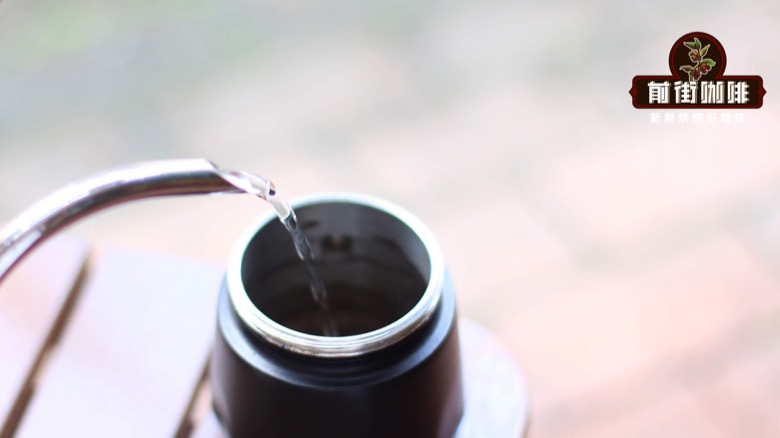
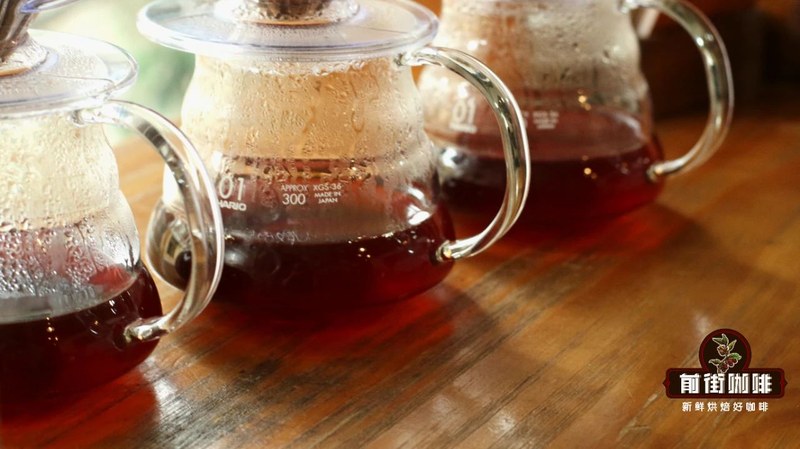
For brewing, I am used to presenting these flavors with pour-over. 15g coffee, paired with 225g water, a 1:15 coffee-to-water ratio, with water temperature adjusted by roast level - 92-93°C for light roast, down to around 90°C for dark roast. First bloom with 30g water for 30 seconds to let carbon dioxide release evenly, then pour in two to three stages, with total time controlled at around 2 minutes, using a V60 dripper. This framework is friendlier for extracting bergamot aroma; don't let the stream be too fast, and give the aromatic compounds enough time to dissolve. If you use an espresso machine or moka pot, bergamot in concentrated form is easily pressed by high temperature and pressure into a single sharp acidity, requiring a finer grind and more precise temperature control to balance; cold brew is another direction, where long low-temperature extraction turns bergamot into a cool sensation in the background, suitable for making iced drinks in summer.
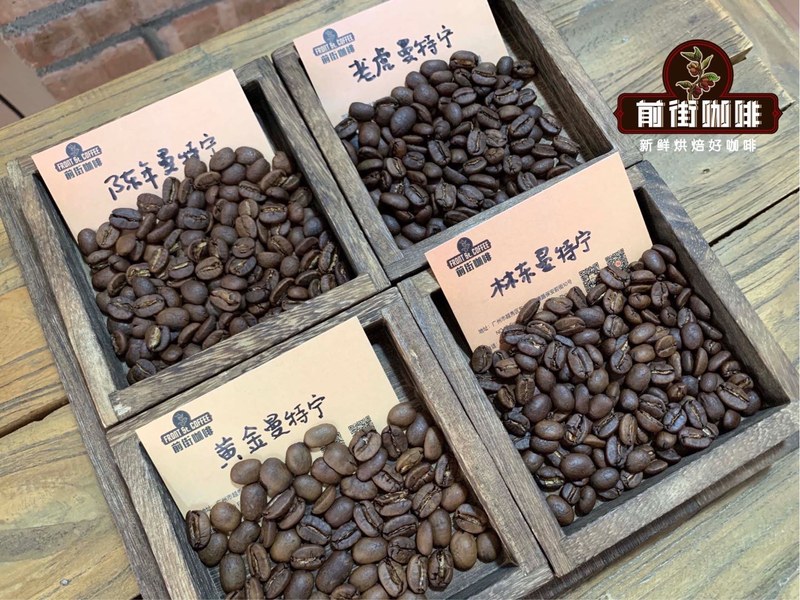
Qianjie coffee beans are all out of the roaster within 5 days, ready to brew as soon as you open the bag, and best finished within a month. Resting the beans is not leaving them unattended; it is letting the internal gas state of the beans stabilize, so that degassing during brewing is more even and delicate aromas like bergamot unfold fully. When choosing beans, if you favor this flavor, just remember the three key words: washed, medium-light roast, high altitude. If a flavor description mentions both "citrus" and "white flowers," it most likely hides a bergamot clue. When drinking, don't rush to conclusions - wait for the temperature to drop a little and let the aroma open up layer by layer; that is where bergamot is truly most captivating.
Related Reading

Comments (0)
Loading comments...
You May Be Interested


Trending Reviews
Popular Videos

With you, wherever you are! We provide useful features to help you find new things you'll love






