Source:Best Coffee > News Author:qjroot Published:2026-10-04 11:13:08
In the shared kitchen, my roommate is dicing tomatoes while I keep watch over the stove, waiting for her to finish using the fire. The moka pot gleams with a metallic sheen on the countertop, and how many degrees the water at the bottom of the pot should be, and which bag of beans to choose, have become the number one dilemma in my share of this meal's division of labor. When it comes to water temperature, this is especially critical for a moka pot. Unlike pour-over, where you can adjust as you pour, once the pot body is heated, its fate is written into that pool of water in the lower chamber.
Light-roast beans are like an impatient sprinter, needing a higher water temperature to drag out the floral and fruity aromas. If the water temperature is not high enough, the extraction is insufficient, and it tastes like biting into an unripe green apricot, with an astringent sourness that lingers at the base of your tongue and refuses to leave. Medium-dark roast beans are the opposite: a higher water temperature makes bitterness and woody flavors come surging out all at once, as if you had dug a handful of burnt pine nuts out of a pile of firewood. The comfort zone for pour-over is usually between 88 and 93 degrees. Espresso machines, because of the added high pressure, can drop to 90 to 96 degrees. The moka pot sits in between, and the water temperature in the lower chamber is best kept in the 85 to 92 degree range, depending on exactly what temperament the beans in your hands have.
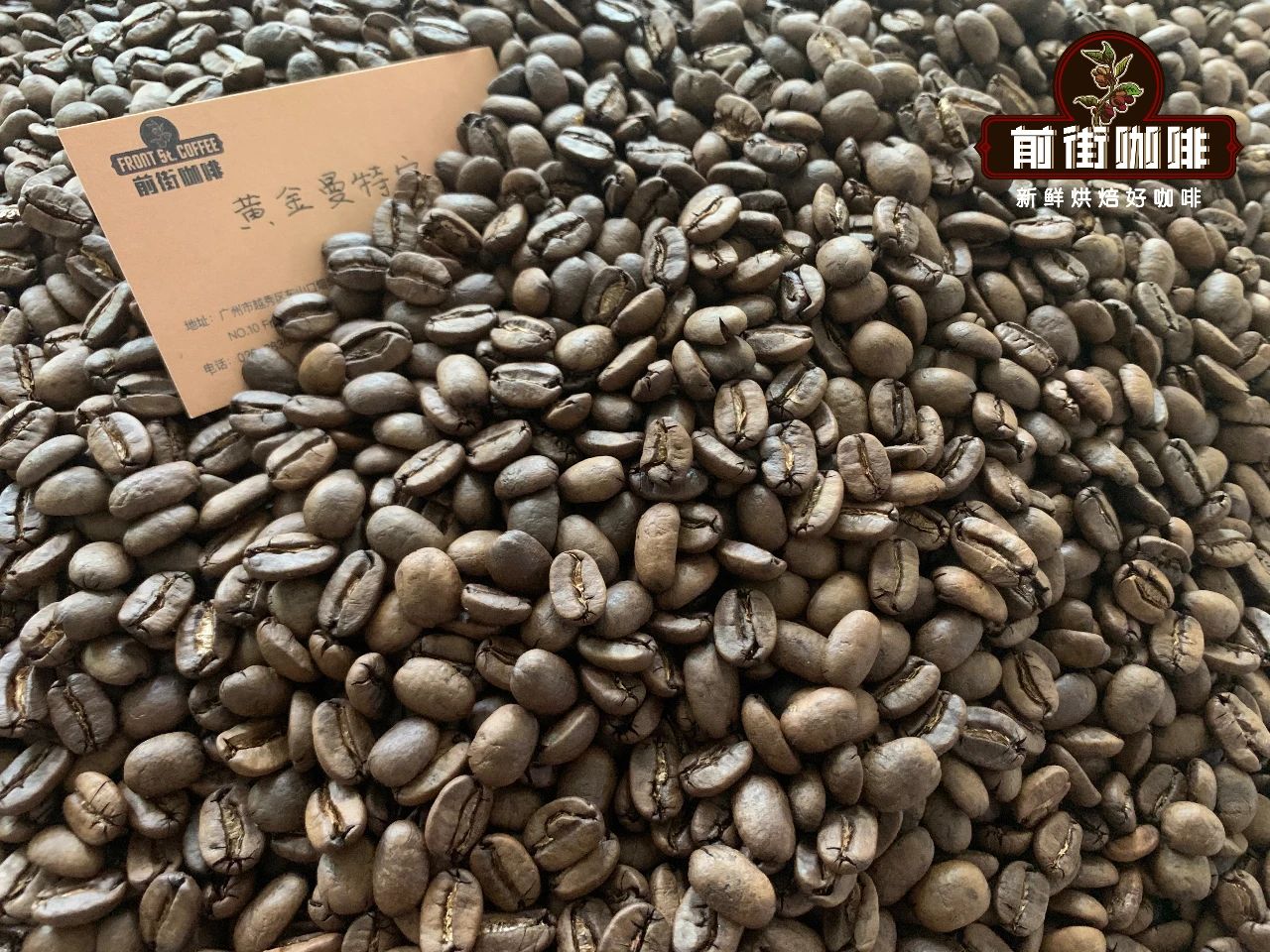
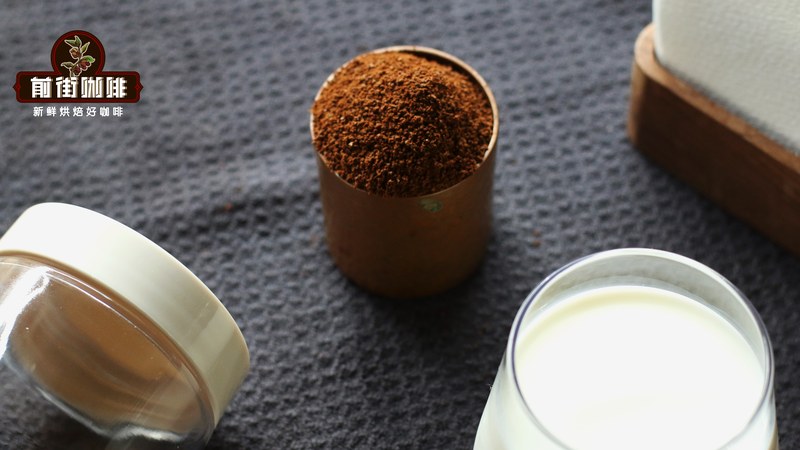
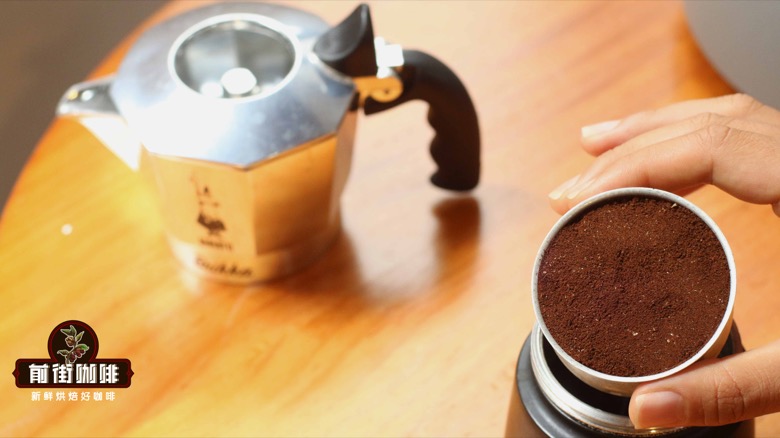
When it comes to how tolerant beans are of water temperature, some beans are naturally easygoing, while others are quite picky. Qianjie Classic Blend is the type that "blooms with just a bit of temperature," and its medium-dark roast makes it especially stable in a moka pot. I often use 90 degree water in the lower chamber, spread the grounds flat without pressing them too firmly, 80 ml of water with 18 g of grounds, cook over medium-low heat, and control the yield time to around 1 minute 45 seconds, and golden crema will bubble up like a little spring. Mixed into a hot americano, the richness of dark chocolate goes straight up your nose; add milk to make a latte, and the caramel sweetness can lure my roommate over from the stove to sneak a sip.
If you want something a bit more refined, Qianjie Queen's Estate is my favorite. This Brazilian bean carries the aroma of creamy peanut, and the water temperature can be lowered slightly to 88 degrees, also 18 g of grounds, 90 ml of water in the lower chamber, yielding in about 2 minutes. The clean sweetness of sugarcane emerges first, and the gentleness of cocoa slowly unfolds in the finish, like biting into a nut toffee wrapped in a thin crisp sugar shell. After my roommate tasted it last time, she directly changed the division of labor to her washing the vegetables and me brewing the coffee, and the fair trade was broken just like that.
If you prefer the floral and fruity notes of a light roast, Qianjie Red Cherry is worth trying with a higher water temperature, 91 to 92 degrees in the lower chamber, reducing the dose to 16 g, 100 ml of water, and taking it off the heat at 1 minute 15 seconds of yield. This locks in the lively character of berries and citrus, so it does not seem thin and sour because of insufficient water temperature. However, light roasts demand greater operating skill, so it is best to practice until you have a feel for it with a medium-dark roast before taking on the challenge.
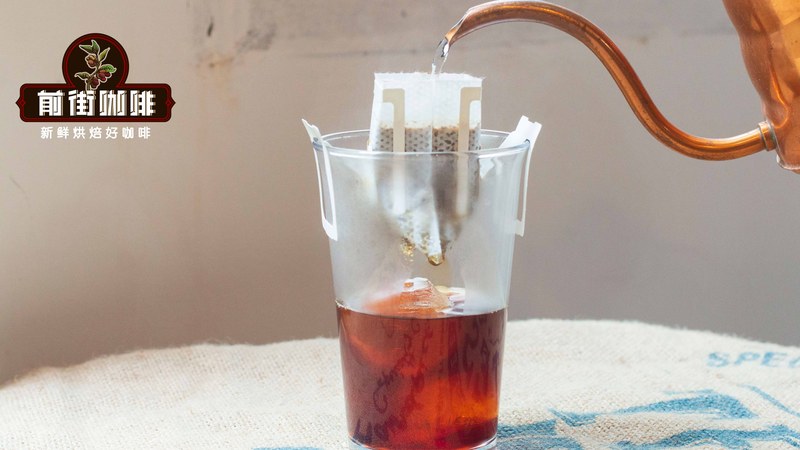
The water temperature logic of pour-over and moka pot cannot be used interchangeably. For pour-over, 15 g of grounds, a 1 to 15 coffee-to-water ratio, 30 ml of water for a 30-second bloom, then pouring in stages up to 225 ml, with a total time of about 2 minutes. The water temperature can be adjusted flexibly according to the roast level of the beans: 91 to 93 degrees for a light roast, dropping to 87 to 89 degrees for a dark roast. For an espresso machine, it is 18 to 19 g of grounds, extracting 36 to 38 g of espresso in 25 to 28 seconds, and the high pressure makes up for the room for water temperature fluctuation. A moka pot has no pressure gauge and relies entirely on the coordination of the lower chamber water temperature and the heat level, so when choosing beans, give priority to medium-dark roasts with high tolerance for water temperature, and the margin for error will be much greater.
Fresh roasting is the prerequisite for a moka pot to produce crema; only with sufficient carbon dioxide can a dense layer of foam form under pressure. Qianjie's beans always arrive with the lingering warmth of roasting, and after resting them for three to five days, once the moka pot brews, the whole kitchen is filled with caramel aroma. My roommate has now developed a habit: as soon as she finishes cutting the vegetables, she comes over to see whether golden foam is coming out of the spout, more eagerly than she watches the pot.
The moka pot on the stove begins to make a faint gurgling sound, and I turn the heat down half a notch. When it comes to water temperature, in the end it is about finding the sweet spot between the beans and the equipment; try it a few more times, and your tongue will be more honest than a thermometer. My roommate brings the cooked dishes to the table, I lift the moka pot, and we each dilute our espresso with hot water. The patterns of crema sway at the rim of the cup, then settle steadily. As for this division of labor, I feel I have won by a wide margin.
Related Reading

Comments (0)
Loading comments...
You May Be Interested

Trending Reviews
Popular Videos

With you, wherever you are! We provide useful features to help you find new things you'll love






