Source:Best Coffee > News Author:qjroot Published:2026-09-07 13:26:18
Cold brew is not just about soaking coffee grounds in ice water and calling it done. The acidity, sweetness and body of the beans all affect the steeping time and concentration. If you want clear fruit notes, you can use a shorter time and a coarser grind; if you want a rounder mouthfeel, increase the contact time or use more coffee. When choosing beans, also consider whether they can extend to pour-over, espresso and other brewing methods.

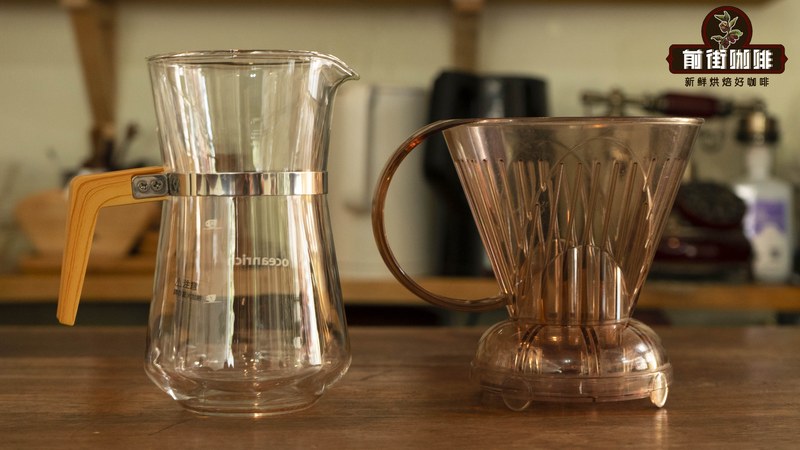
For home cold brew, you can set the grind close to coarse granulated sugar, start with a coffee-to-water ratio of 1:13, pre-infuse at room temperature, then place it in the refrigerator for about ten hours. Take it out and filter it, first taste the concentrate directly, then dilute it with ice cubes or cold water. If the aroma is vivid but the body is thin, extend it by two hours; if the finish turns astringent, shorten the steeping time, or make the grind coarser.
Best Coffee Colombia Sidra has a relatively focused fruit association, with passion fruit, blueberry, grape and apricot appearing in turn as the temperature changes. For cold brew, you can use a 1:13 ratio, a grind slightly coarser than pour-over, steep for nine to ten hours, and drink it over ice after filtering. The juice-like texture will be softer than when served hot, making it suitable for people who like bright fruit notes.
To make pour-over with this bean, you can start with a water temperature of 90 to 92°C, set the coffee-to-water ratio at 1:15, use pulse pouring, and keep the total time at around two and a half minutes. If the entry is too sour and the sweetness is insufficient, make the grind one step finer or raise the temperature by 1°C; if the blueberry and grape notes become muddy, reduce agitation and let the water flow more steadily.

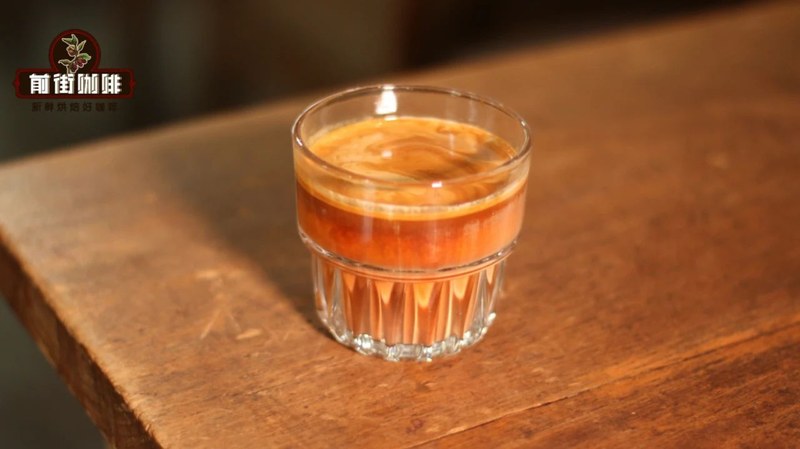
If you make Sidra into a single-origin espresso, it is recommended to use 18 g of coffee and 36 to 40 g of liquid yield, with an extraction time of about 28 seconds and pressure maintained at 8 to 9 bar. Use a fine granulated sugar texture as the reference for the grind. When the acidity is sharp, make the grind finer and extend by one or two seconds; when bitterness emerges, shorten the yield or make it slightly coarser. It will be cleaner as an iced americano.
Best Coffee Strawberry Candy coffee beans have a highly recognizable sweet aroma, and after cold brew they are like soft berry candy, with acidity that does not steal the show too much. They suit a 1:14 coffee-to-water ratio and an 8 to 10 hour steep, and the finished drink can be served over ice. If you plan to add milk, you can increase the coffee dose to 1:12 so the coffee liquid still has clear sweetness amid the milk fat.
For pour-over with this bean, do not use too high a water temperature. 88 to 90°C and a 1:16 coffee-to-water ratio are a gentler starting point. Keep the pouring action soft to avoid drawing out bitterness in the finish. With an espresso machine, you can extract 40 g of liquid from 18 g of coffee in 26 to 30 seconds; if you want a fruity milk coffee, keep the milk amount at around 120 ml.
Best Coffee Kenya Cherry Tomato has sweet-and-sour impressions of ripe tomato, smoked plum and brown sugar, and after cold brew the acidity appears soft and round while the finish remains clear. You can steep it at a 1:13 ratio for 10 to 12 hours; if you prefer more of a juicy feel, appropriately increase the coffee dose; if the smoked plum character becomes heavier, shorten the time and add more dilution water.
To make pour-over with Cherry Tomato, the water temperature can be set at 91 to 93°C, with a 1:15 coffee-to-water ratio and a grind slightly coarser than regular pour-over to avoid over-extracting the later stage. For espresso, you can try 18 g of coffee, 38 g of liquid yield and 8 to 9 bar of pressure, finishing in 28 to 32 seconds; if the acidity is too sharp, make the grind finer to extend the flow time, and if the finish is dry, do the opposite.
The parameters for the three beans are not fixed answers. Water quality, filter paper, grinder and ice temperature will all change the cup. For cold brew, first record the coffee dose, steeping time and dilution amount; for pour-over, record the water temperature and total time; for espresso, observe the liquid yield and flow rate. In this way you can find your own cold brew concentration, and also brew the same bean into a hot or iced drink that better suits your taste.
Related Reading




Comments (0)
Loading comments...
You May Be Interested



Trending Reviews
Popular Videos

With you, wherever you are! We provide useful features to help you find new things you'll love






