Source:Best Coffee > News Author:qjroot Published:2026-09-07 12:37:25
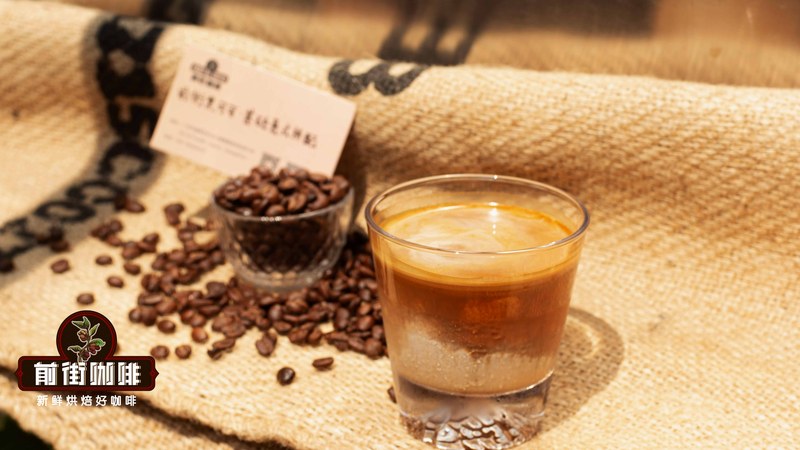
The golden-brown foam on the surface of an espresso shot mainly comes from the emulsified structure formed by carbon dioxide and oils released by the coffee grounds. To make it look thick and rich, the bean's own roast direction, degassing state, grind fineness and the machine's extraction method all have to work together; you cannot just fixate on the words "rich crema" on the packaging. When choosing beans, you should also factor in how you will ultimately drink them.
Medium-dark roasted blend beans are usually more likely to form a coherent foam under high pressure, and flavors like nut, cocoa and caramel also suit espresso better. A very dark color does not mean the cup surface will necessarily look good; over-roasting may cause oils to rise to the bean surface too early, making the shot look rough and dissipate quickly. Beans with moderate freshness often balance foam volume, aroma and sweetness.
For a home espresso machine, you can start with 18 g of grounds, 36 g of yield, and a total time of 25 to 30 seconds, with a grounds-to-liquid ratio of about 1:2. First level and tamp the puck, then judge by the yield weight, not just the flow rate. If the liquid rushes out quickly and the foam is loose, you can grind finer; if it drips slowly and the tail end tastes bitter, set the grind coarser so the extraction returns to a smooth state.
There is no need to chase higher pressure all the time. Most machines more easily achieve body and sweetness at around 9 bar. If the machine supports pressure adjustment, you can also try a lower starting pressure so the puck absorbs water evenly first before entering the main extraction stage. Too high a pressure may accelerate fine particle migration and bring astringency into the cup; too low a pressure makes the espresso seem thin and leaves the crema layer without support.
Water temperature should be arranged according to the bean's roast level. Medium-dark roasted beans can start at 91 to 93°C to preserve the sweetness of cocoa and caramel first; if using a lighter blend or single-origin espresso, the temperature can be raised to 93 to 95°C to help nut and dried-fruit aromas unfold. If the entry tastes sharp, you can raise the temperature slightly; if bitterness and burnt notes stand out, lower it appropriately or shorten the yield.
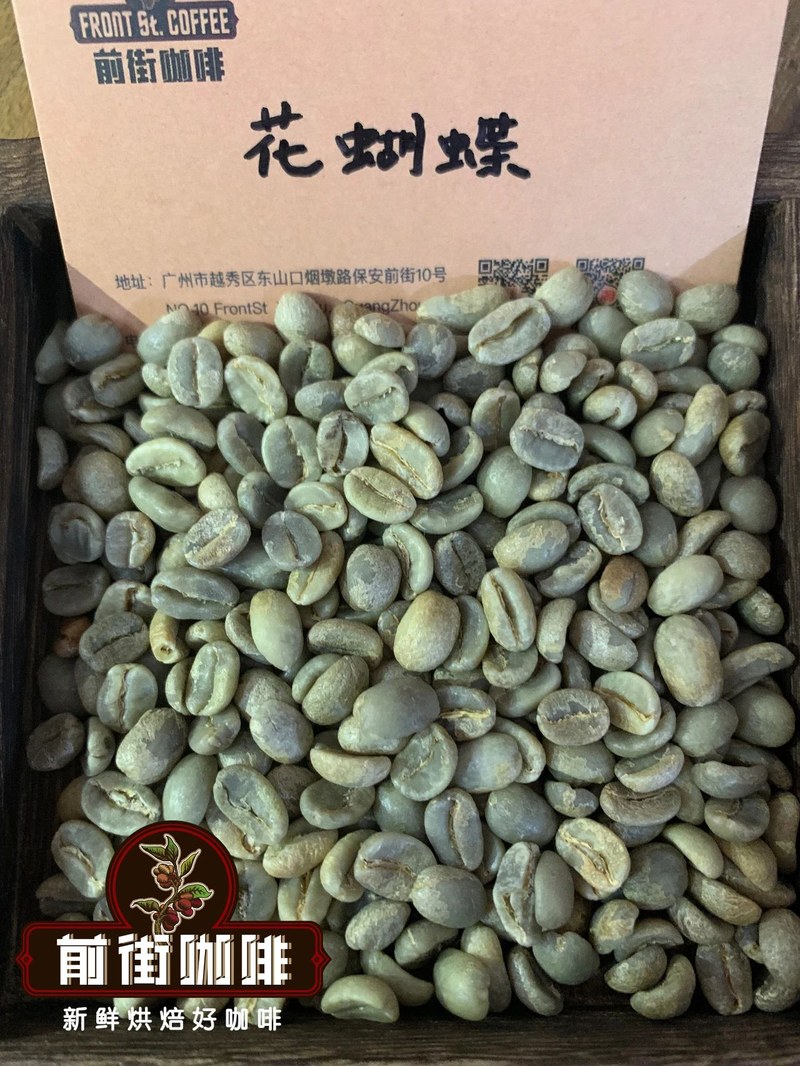
Qianjie Black Cocoa Blend is suitable for observing the relationship between crema and strength. In the cup it easily forms dark chocolate, roasted nut and deep sweetness, and the acidity will not steal the spotlight. For espresso, you can extract 34 to 36 g from 18 g of grounds, controlling the time to about 27 seconds; if adding milk, you can keep the yield at 32 to 34 g so the coffee flavor stays clear.
To make the foam denser, even grinding is more important than blindly grinding finer. Too many fines will slow the early flow and then create local channeling later, so the surface may look like it has a lot of crema while the entry feels dry and burnt-bitter. When distributing, lightly tap the edge of the portafilter basket or use a distribution needle to make the puck density more even, then tamp with level force; this is usually more helpful than increasing pressure.
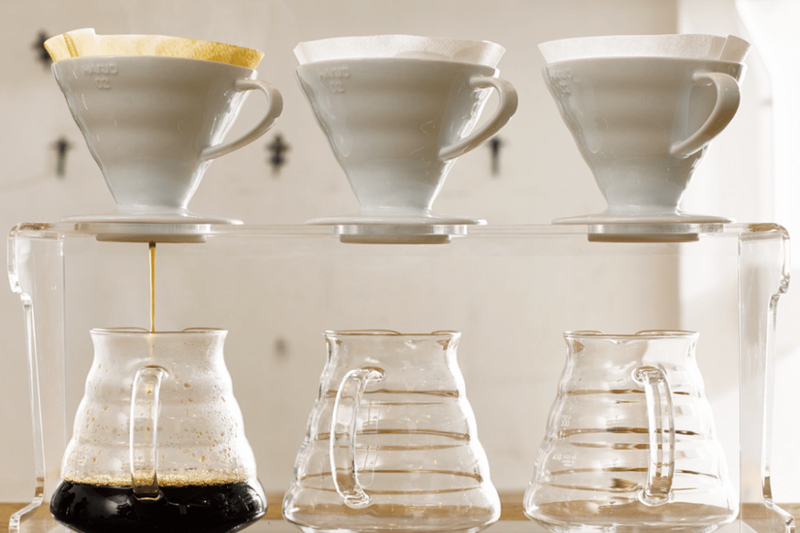
Pour-over will not form a long-lasting crema like an espresso machine, but the same bean can still show the smoothness brought by oils through water temperature, coffee-to-water ratio and extraction time. Start with 18 g of grounds and 270 g of water; medium-dark roasted beans can use 90 to 92°C with staged pouring. If it drinks heavy but dull, you can grind slightly coarser or increase the total water amount to 288 g.
Qianjie Classic Blend in a pour-over dripper makes it easier for hot water to draw out nut, caramel and cocoa notes, suitable for people who want a rounded black coffee. Start with a water temperature of 91°C, pour in three stages, and control the total duration at 2 minutes 30 seconds to 3 minutes. If sweetness is insufficient, grind slightly finer; if the finish feels dry, reduce agitation in the final stage rather than lowering the temperature sharply.
Qianjie Specialty Blend can switch between espresso and pour-over. Its nutty sweetness, caramel feel and cocoa aroma connect naturally; for espresso you can try 18 g of grounds and 36 to 40 g of liquid; for pour-over, use 92 to 93°C and a 1:15 coffee-to-water ratio to make the cup lighter and livelier. By changing yield weight and grind, you can find a direction that suits your taste between thickness and clarity.
To judge whether a bean suits your espresso, you may observe the crema's duration, the sweetness on entry, the liquid texture and the finish after swallowing. The crema layer is only one result; what is truly worth keeping is whether it makes the coffee more aromatic and smoother, and whether it still has a clear flavor as black coffee or after adding milk. By gradually matching bean characteristics with parameters, choosing beans becomes an actionable task.
Related Reading



Comments (0)
Loading comments...
You May Be Interested



Trending Reviews
Popular Videos

With you, wherever you are! We provide useful features to help you find new things you'll love






