Source:Best Coffee > News Author:qjroot Published:2025-11-15 08:53:12

Flavor: Citrus Honey Berry Nut Tea-like
Africa is located in the western part of the Eastern Hemisphere and is the world's second-largest continent. Its terrain is dominated by plateaus, which account for more than 60% of Africa's area, so the average elevation of the African continent is 750 m.
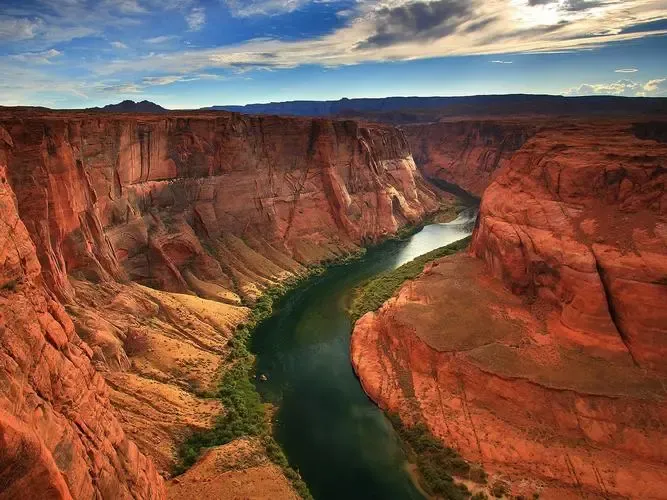
In the East Africa region of Africa, there is the Ethiopian Highlands, known as the Roof of Africa, as well as the East African Highlands, and the East African Rift runs through the central and western parts of the East African Highlands, with numerous volcanoes lined up on both sides of the rift. It has many mountains, volcanoes, lakes and rivers, and straddles the equator, with a mainly tropical climate, which makes East Africa's agriculture relatively developed, especially the coffee industry. Coffee produced in this region accounts for about 14% of the world's total output. Among these, Tanzania is known as the "coffee gentleman."
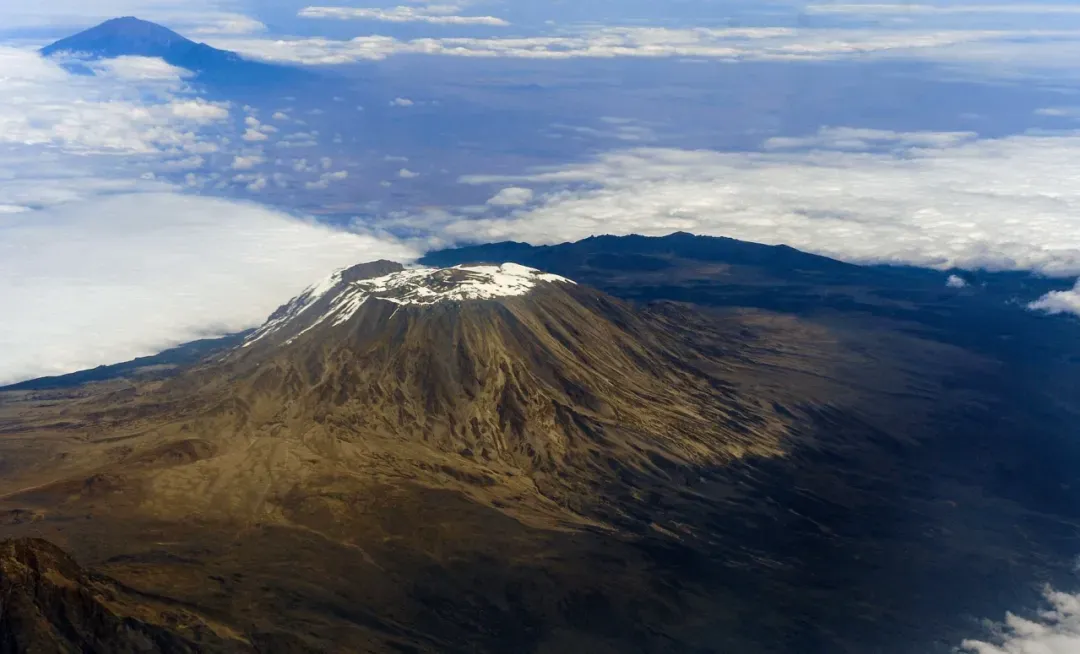
Tanzania is located in eastern Africa, south of the equator. Its terrain is high in the northwest and low in the southeast, forming a stepped landscape. The inland plateau in the west accounts for half of the country's total area. The East African Rift splits into east and west branches from Lake Malawi and runs north to south. In the northeast is Mount Kilimanjaro, the highest peak in Africa.
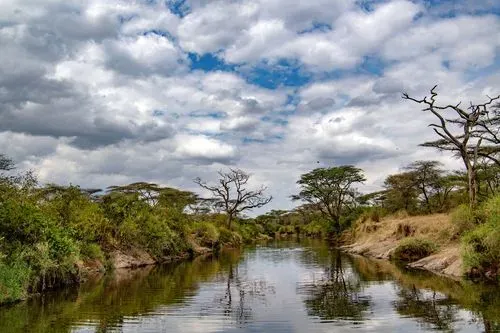
Because it is close to the equator, the eastern coastal areas and some inland lowlands have a tropical savanna climate, while the western inland plateau has a tropical mountain climate, with an annual average temperature of 21°C-26°C. Although 80% of the region receives less than 1000 mm of annual rainfall, Tanzania has numerous lakes and rivers. Three of Africa's major lakes, Lake Victoria, Lake Tanganyika and Lake Malawi, are all on Tanzania's borders, so water resources are very abundant. It is precisely because Tanzania has high-altitude mountain areas, volcanic soil and abundant water resources that it can produce high-quality coffee.
Tanzania currently has nine coffee-producing regions. The relatively well-known ones are Kilimanjaro, Arusha, Ruvuma, Mbeya, Tarime and Kigoma.
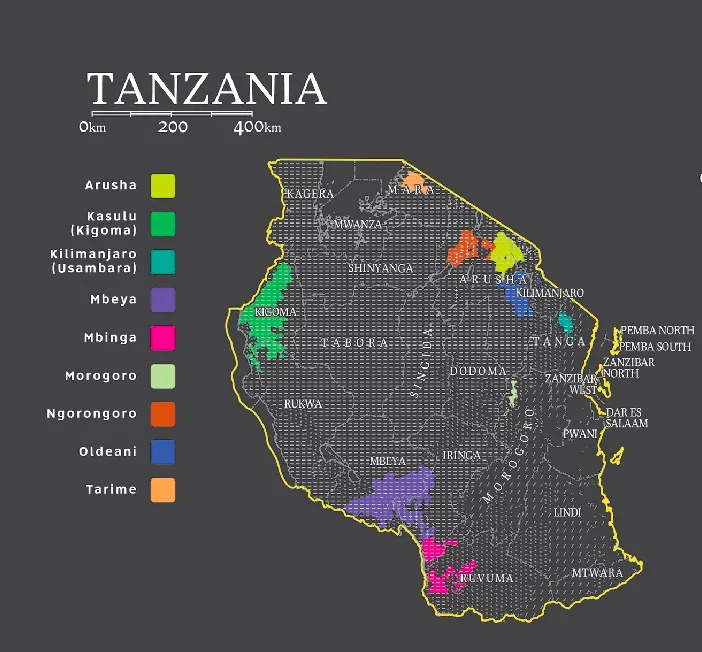
Coffee is a major part of Tanzania's economy, with 17% of the country's foreign exchange generated by coffee, and Kilimanjaro and Arusha are among Tanzania's most important coffee-producing regions.
These coffee-producing regions all surround Mount Kilimanjaro. Mount Kilimanjaro is located in northeastern Tanzania and is the highest mountain in Africa, reaching an altitude of 5895 m. Its summit is covered in snow year-round, and it is mainly composed of three extinct volcanoes: Kibo, Mawenzi and Shira. Coffee is grown at altitudes of 1050-2500 m. A sufficiently high altitude, volcanic soil, and pure snowmelt water make this one of the most suitable regions for growing coffee. Here at Best Coffee we have a washed Typica from the Kilimanjaro region; it tastes of gentle acidity, with flavors of citrus, berries, honey and nuts, a soft, tea-like mouthfeel, and overall balance.
In the Kilimanjaro region, coffee production is mainly in Moshi, the capital of the Kilimanjaro region, located south of Mount Kilimanjaro. The area has Tanzania's largest coffee trading and processing center in the country, and is mainly responsible for the region's coffee processing and export.
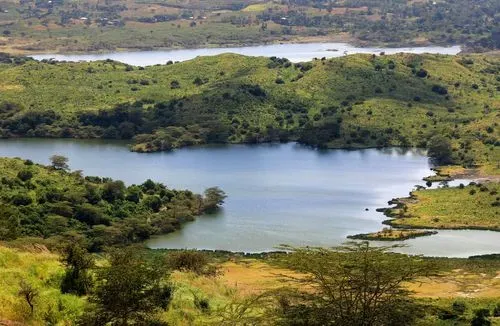
Arusha (Arusha) is the capital city of the Arusha Region in Tanzania, located in northern Tanzania, west of Mount Kilimanjaro. This region is rich in natural resources, with a volcanic crater plateau in the center, several lakes nearby, and a national park situated within the area. Besides being grown on the slopes of Mount Kilimanjaro, coffee is also grown on Mount Meru(Mount Meru), an active volcano north of the city. Here there are crater lakes and glacial remnants, and the volcanic soil and abundant water sources allow crops such as coffee and bananas to thrive at an altitude of 1100-1800m.
Related Reading





Comments (0)
Loading comments...
You May Be Interested


Trending Reviews
Popular Videos

With you, wherever you are! We provide useful features to help you find new things you'll love






