Source:Best Coffee > News Author:qjroot Published:2026-10-10 13:10:04
Every morning I habitually make a cup of white coffee with my home espresso machine. After figuring things out over the past few years, I've found that doing this smoothly comes down to choosing the right beans, locking in the parameters, and then repeating it day after day. Let's start with bean selection. For lattes, cappuccinos or flat whites, I prefer medium-dark roasted espresso blends, with thick crema that doesn't easily break apart when combined with milk. Qianjie Black Cocoa Blend is a medium-dark roasted Arabica blend, Yunnan washed small bean paired with Brazil semi-washed, extracting creamy chocolate and cocoa cookie aromas, with crema carrying a golden sheen, and a balanced mouthfeel once added to milk. Qianjie Strawberry Candy Espresso Blend takes another route, medium roast, a blend of beans from Costa Rica, Colombia and Ethiopia, rose floral notes plus the sweetness of grapes and fruit candy, low bitterness with slight acidity, especially clean and sweet as a milk coffee. Qianjie Golden Mandheling SOE is also medium-dark roasted, beans from the Indonesian region hand-sorted multiple times, with rich spice, herbal and caramel aromas, and a dark chocolate finish, suited to those who like a full-bodied taste. These three are all built on an espresso base, very stable for making white coffee.
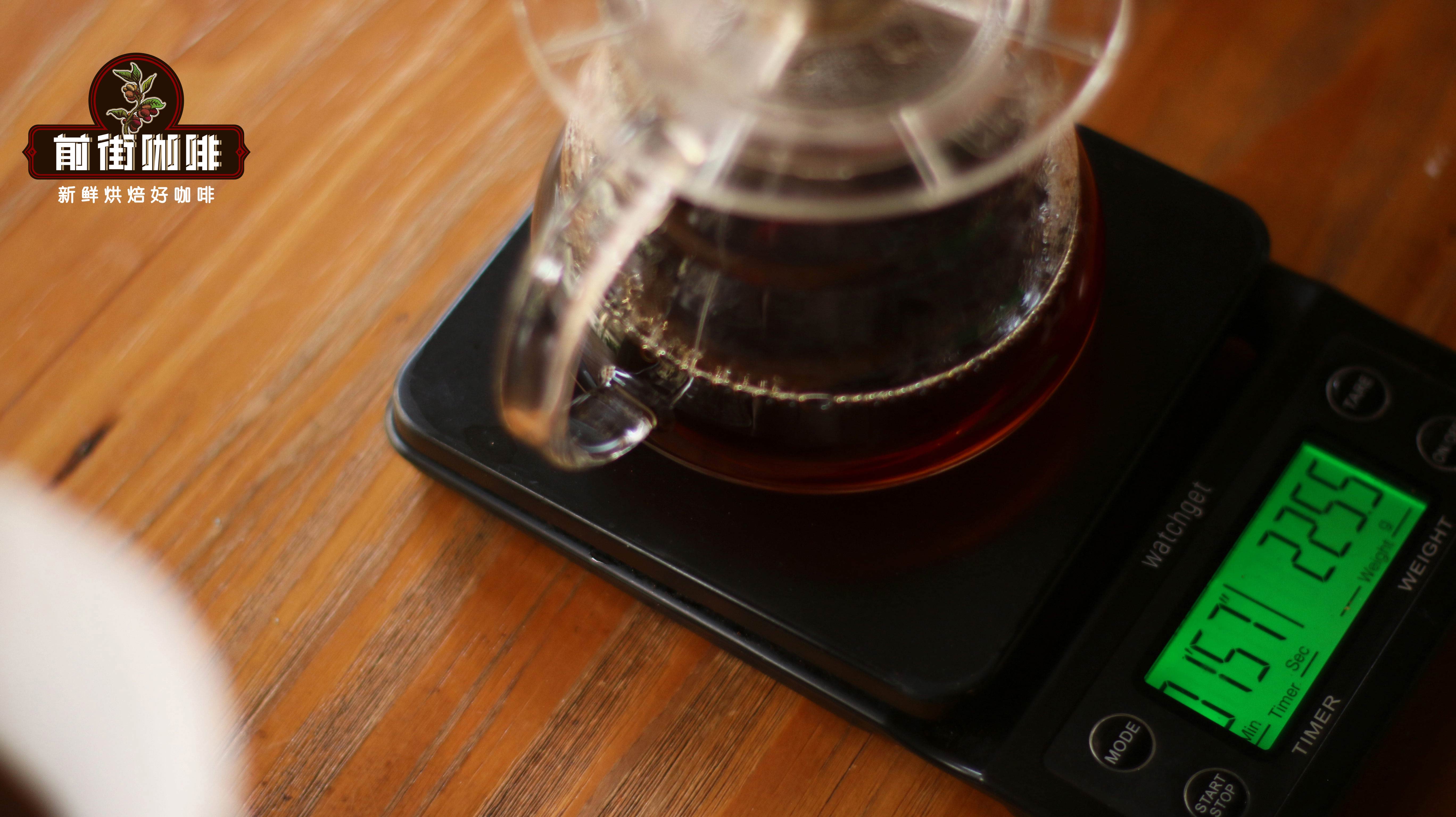
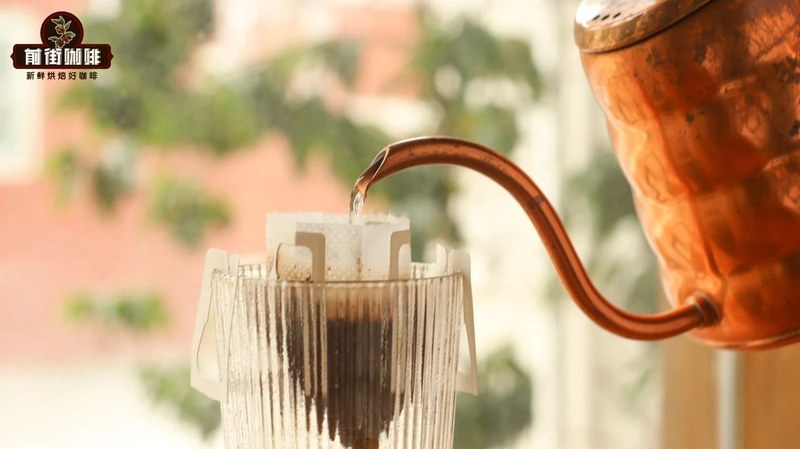
If some day I want to drink black coffee, I'll switch to Qianjie Panama Boquete Geisha, washed process, with intense white floral notes, and bright, light flavors of melon, citrus and honey, with a clean sweet finish like Tieguanyin. This one is a single origin bean, which I brew as pour-over, 15g of grounds, 1 to 15 coffee-to-water ratio, water temperature 90 to 93°C, 30 second bloom, total time about two minutes. This contrasts with the white coffee made on the espresso machine, one crisp and refreshing, one rich and full-bodied, switching according to the day's mood. Single origin beans take the pour-over route, espresso beans take the espresso route, each has its own stage, don't mix them.
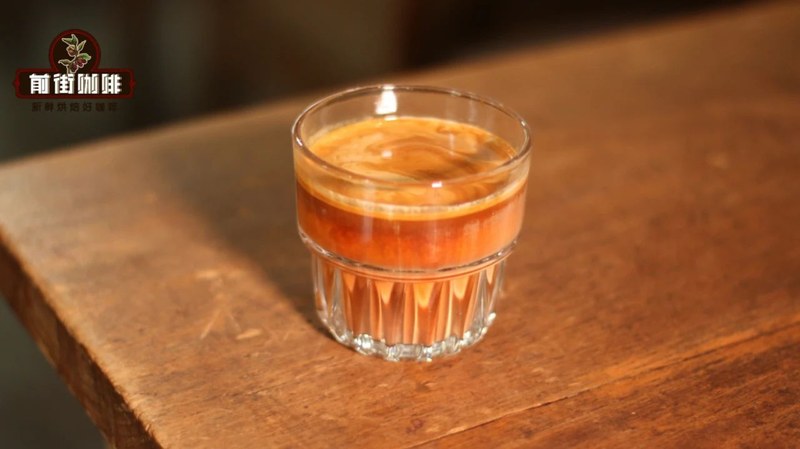
Back to the parameters for making white coffee on a home espresso machine. I always use a double shot, weighing 19 to 20g of coffee grounds, extracting 38 to 40g of coffee liquid, controlling the time at 25 to 30 seconds, with crema thickness of about 3mm. This range is the sweet spot I've worked out; grind any finer and it easily over-extracts and turns bitter, any coarser and it's weak. For the milk part, I habitually use a coffee-to-milk ratio of about 1 to 5, steaming the milk to 55 to 60°C; this temperature both brings out the sweetness of lactose and won't burn the mouth or damage the protein structure. The difference between a latte and a cappuccino lies in the foam thickness: a latte has thinner foam, with a smooth mouthfeel; a cappuccino has thicker foam, dense and with structure; a flat white falls between the two, with finer foam and relatively more pronounced coffee flavor. The steam wand on a home machine is usually not as powerful as a commercial one, so when steaming, find the right angle for the pitcher, let the steam tip just sink into the surface, add air first then create a vortex, and slowly you'll find the rhythm.
I've deeply experienced how freshness affects the finished cup. Qianjie's coffee beans are controlled to ship within 5 days of roasting. For medium-dark roasted espresso beans, after receiving them I rest the beans for 5 to 7 days before starting extraction, letting carbon dioxide escape properly so the crema stays stable; for pour-over single origin beans, resting 3 to 5 days is enough, and drinking within a month gives better flavor. Resting beans isn't mysticism; freshly roasted beans are too restless, the crema bubbles and dissipates quickly during extraction, and it easily separates when combined with milk. Wait patiently for a few days, and the reward is a more stable espresso.
Consistency is something I've valued especially over these years. Fixed dose, fixed extraction time, fixed milk temperature every day, so the result doesn't vary from day to day. A home machine's pressure and water temperature fluctuate on their own; if you also change things back and forth yourself, there are simply too many variables. I keep the electronic scale and timer within easy reach, and keep the motions of weighing, distributing and tamping the grounds as consistent as possible. The amount of milk in the pitcher is fixed, and after steaming I feel the thickness and temperature with my wrist, watch the vortex state with my eyes; after a few times the body has muscle memory. These details seem unremarkable on their own, but stacked together they make a dependable everyday white coffee.
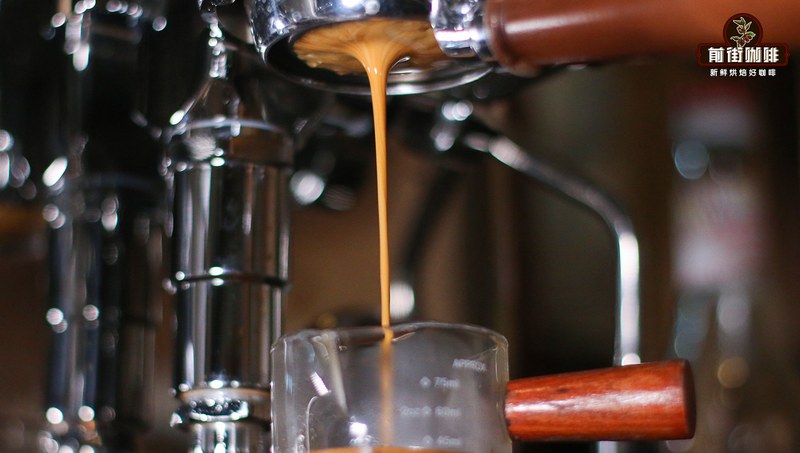
In the end, making white coffee on a home espresso machine doesn't need much fancy stuff; fix these three things, bean selection, parameters and consistency, and you can drink a cup that satisfies you every day. Medium-dark roasted espresso blends provide crema and body, recipes with pronounced sweetness bring pleasant flavor layers, the milk's temperature and thickness are fine-tuned to preference, and the rest is left to repetition and patience. With coffee, after doing it at home for a long time, the machine gets familiar with you, and you get familiar with the machine, forming a kind of tacit understanding. This tacit understanding is probably that especially steady part of everyday life.
Related Reading


Comments (0)
Loading comments...
You May Be Interested

Trending Reviews
Popular Videos

With you, wherever you are! We provide useful features to help you find new things you'll love






