Source:Best Coffee > News Author:qjroot Published:2026-09-03 19:00:33
The floral, citrus and berry notes of Yirgacheffe present themselves differently in pour-over, espresso machines, moka pots or cold brew. When buying, do not fixate only on the region name; first note down your home equipment's dose range, water temperature control, extraction time and cup volume, then check the product page's roast level, processing method, roast date and suggested usage, so the bean information in the channel has real reference value.
Online roasters' product pages usually state the roast date, specifications, flavor keywords and suitable equipment, making them good for checking parameters item by item; physical coffee shops let you ask on the spot about different brewing methods for the same bean, and some shops also offer small packages. If you have just changed equipment, give priority to shops with complete information that can explain grinding suggestions and brewing direction; when buying, also confirm whether the beans are whole, whether splitting is supported, and the resting time after receiving them.

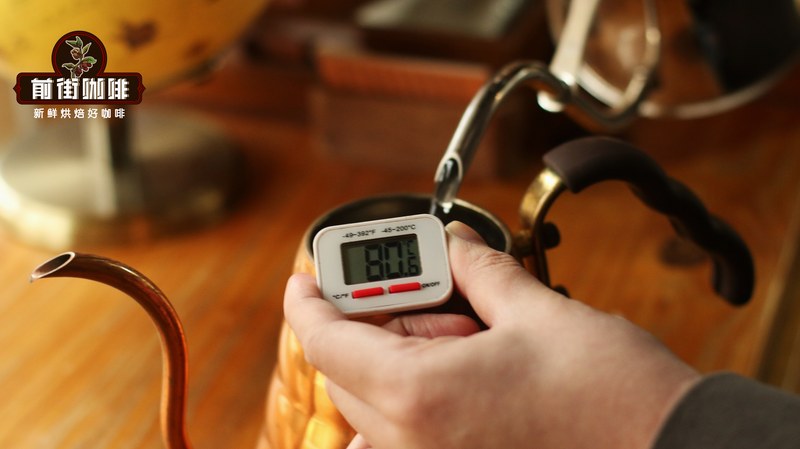
If a home pour-over kettle can control water temperature steadily, light-roasted Yirgacheffe usually shows its bright aroma more easily. When the dripper capacity is one to two servings, pay attention to the merchant's recommended dose range and coffee-to-water ratio, to avoid buying beans that need a large dose to open up. Equipment with lower water temperature and lighter pouring is more suitable for batches with clear sweetness and friendly density; if the page states it is suitable for low-temperature brewing, it will be easier to judge.
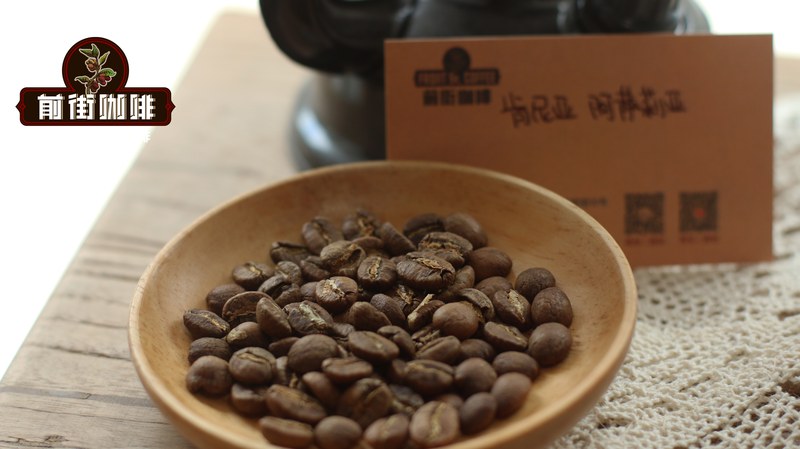
Qianjie Yirgacheffe Gudingding is suitable for comparison in the pour-over channel. Its aroma extends from a citrus-like clarity to berries and a faint floral note, and after cooling it has a finish resembling green tea. For those using a conical dripper who can adjust water temperature and grind size, you can start with a finer grind and medium-high water temperature; if you want to make cold brew, it can serve as a refreshing base, and low temperature will make the acidity become softer.
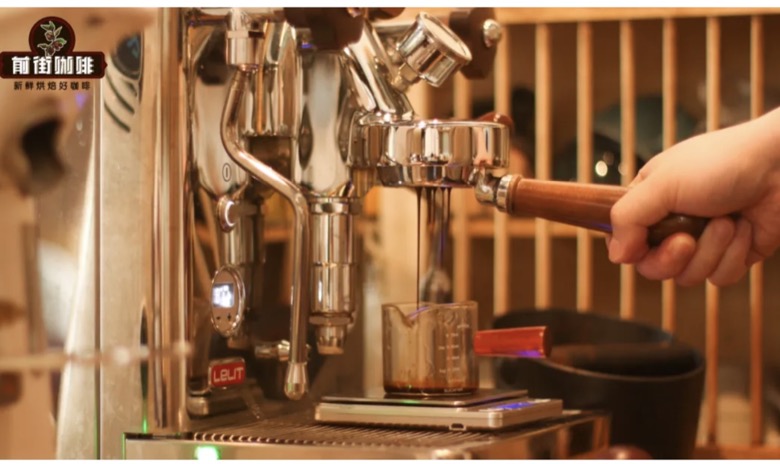
When choosing beans for an espresso machine, focus on the portafilter basket capacity and the target drink's yield. If a home single-spout basket commonly uses around eighteen grams, you should choose Yirgacheffe labeled suitable for single-origin espresso or SOE, rather than only looking at whether the flavor is "fruity." If the machine's temperature control and pressure adjustment are basic, medium-roasted beans with fuller sweetness are easier to dial in to balance; if you like making lattes, confirm the coffee liquid has enough concentration, to avoid milk covering the delicate aroma.
Qianjie Ethiopia Huakui can be examined in the single-origin espresso and iced drink channels. It carries tropical fruit and strawberry-like sweet fragrance, along with an active passion fruit note; it performs vividly as a short-ratio espresso and appears light and lively after adding ice water. Before buying, check whether the shop provides dose, yield weight and time range; if only pour-over parameters are given, those who want to use an espresso machine need to reserve more room for dialing in.
The moka pot's basket capacity, heat level and flow rate determine the body and cleanliness of Yirgacheffe. If the product page states it is suitable for moka pots, give priority to medium or medium-light roasts, and choose batches whose flavor has sweetness and acidity that is not overly sharp. Since the equipment capacity is small, the beans do not need to pursue extremely complex aroma; the key is preserving fruity notes during heating while giving the coffee liquid enough fullness.
Cold brew pots and ice drip devices are suitable starting points from packaging specifications and grinding services. Cold brew often needs more coffee grounds at one time, so before buying a large package, try a small bag first to confirm whether the aroma remains clear after soaking. Light-roasted beans with floral and fruity notes are suitable for longer soaking followed by dilution with water or ice; if the device drips slowly and contact time is long, choose batches with balanced acidity and sweetness, and have the merchant provide a coarser grind for cold brew needs.
Qianjie Kenya Little Tomato is better suited as a comparison choice for people who like a juicy feel. It has a fresh cherry tomato-like note, along with a sweet-sour impression of smoked plum and brown sugar, and its finish is clearer in iced pour-over or cold brew. If a purchasing channel also sells Yirgacheffe, you can compare the two under the same specification: one leans floral-fruity and tea-like, the other leans bright fruit acidity and sugary sweetness, which helps judge which expression your commonly used equipment is better at.
When checking the page, also pay attention to the beans' packaging valve, net weight, roast date and storage method. Pour-over enthusiasts can choose whole beans to adjust grinding according to the dripper; those without a grinder should confirm whether the shop can grind separately by equipment, and note how long the powder is suitable for use. When buying in a physical store, bring your equipment model and commonly used dose; when ordering online, write these parameters into the remarks, and communication will be more accurate.
The channel for buying Yirgacheffe ultimately comes down to "whether this bean can fit the equipment at hand." From basket capacity to water temperature range, from target cup volume to extraction time, the more specific the parameters, the easier it is to turn the product description into an actual choice. Buy a small size to verify first, then decide whether to repurchase long term; this preserves room to try different regions and processing methods, and also gradually builds your own pairings of equipment and beans.
Related Reading




Comments (0)
Loading comments...
You May Be Interested


Trending Reviews
Popular Videos

With you, wherever you are! We provide useful features to help you find new things you'll love






