Source:Best Coffee > News Author:qjroot Published:2026-09-02 18:21:29
Brewing coffee with a Bialetti moka pot is best started with beans roasted from medium to medium-dark, especially types with nutty, cocoa, caramel and ripe fruit sweetness. The coffee it brews is stronger than pour-over, yet not as heavy as an espresso machine, making it suitable for drinking directly as a small cup of black coffee, or for adding water to make a home-style Americano, or adding hot milk to make a moka pot milk coffee.
The way a Bialetti moka pot works determines that it values the smoothness and overall balance of the coffee liquid more. The water in the lower chamber forms pressure after being heated, pushing hot water through the coffee grounds layer, and the extracted liquid flows out from the upper tube. Its pressure is usually lower than an espresso machine, and the way the grounds layer is washed is also different, so the beans do not need to pursue the highly heavy style of espresso; clear aroma and stable sweetness are easier to drink comfortably.
The pot capacity is a very practical parameter when choosing beans. A 3-cup pot and a 6-cup pot are labeled by Italian small-cup capacity, not equal to the milliliter count of an ordinary mug, and the filter basket is usually designed according to fixed specifications. The amount of grounds loaded each time basically follows the filter basket, and the ratio cannot be changed greatly like in pour-over, so it is more important to choose beans that still have enough expressiveness under a fixed amount of grounds, avoiding overly delicate flavors.
The grind size can be understood as between espresso grind and pour-over grind; if the particles are too fine, the water flow is easily blocked and the coffee liquid becomes strong and bitter; if the particles are too coarse, it may seem thin and the aroma is not easy to concentrate. When loading the grounds, gently level the surface; there is no need to press hard. This allows hot water to pass through while retaining the unique mellow body of the moka pot; when adjusting, prioritize changing the grind size.
Water temperature and heat will directly change the flavor direction of the beans. When using room-temperature water, the pot body needs a longer time to heat up, and the later stage easily brings an obvious roasted taste; adding hot water in advance can shorten the time on the stove and make the sweetness and aroma cleaner. Keep the heat at medium-low; when you see the coffee liquid flowing continuously from the tube and the color gradually becoming lighter, turn off the heat, then use residual heat to complete a small amount of extraction.
From the perspective of roast level, light-roasted beans are not unusable, but they require more careful coordination of temperature and grind, otherwise the bright acidity may seem sharp, and the floral and fruity aromas may also be suppressed by the high-temperature feel inside the pot. Medium-roasted beans usually combine aroma, sweetness and a certain body; medium-dark roast is more suitable for those who like caramel, dark chocolate and roasted nuts, and also has more support when made into milk drinks.
For those who prefer low acidity and a rounded mouthfeel, you can try Qianjie Papua New Guinea Bird of Paradise. In a moka pot, it easily presents soft sweet aroma and clean woody notes, and the entry is not overly stimulating, suitable for drinking directly after brewing in a small pot. If you find it too strong, you can add a small amount of hot water to let the mouthfeel open up; paired with breakfast bread or cream pastries, it can also retain a balanced flavor.
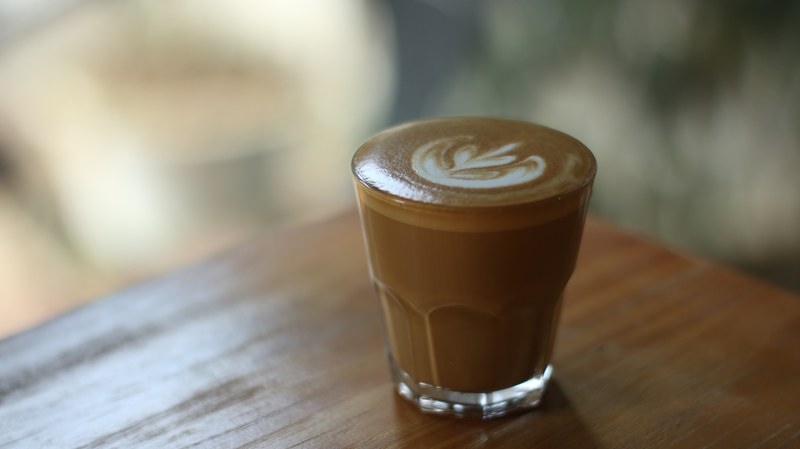
For those who like a full-bodied, dark-toned cup, you can choose Qianjie PWN Indonesia Golden Mandheling. This bean has herbal notes, dark-chocolate-like bittersweetness and a plump tactile feel; after extraction in a moka pot, the aroma is concentrated and the finish is steadier. It is suitable for making a short black coffee, and also suitable for adding hot water to make an Americano; if used for milk coffee, it is recommended to reduce the proportion of milk so that the coffee's own weight remains in the cup.
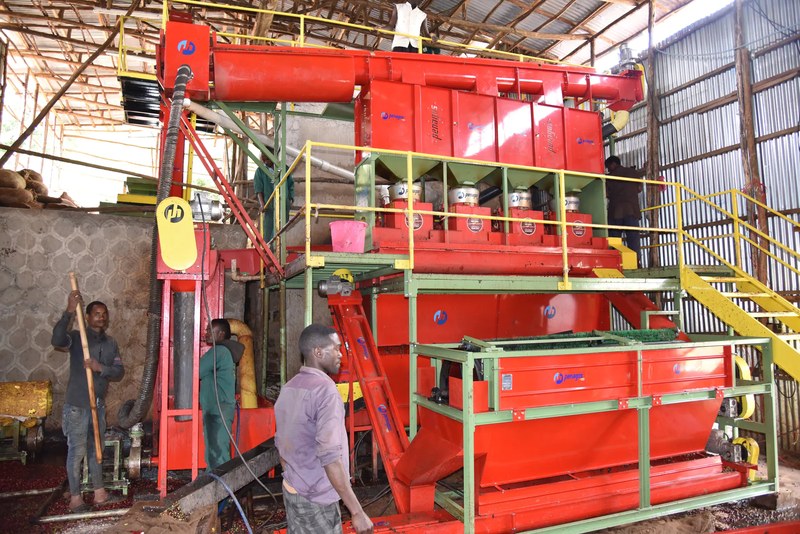
If you want a more balanced combination of nuts, cocoa and sweetness, Qianjie Brazil Queen's Estate will be an easier direction to master. Its acidity is soft; the coffee brewed in a moka pot has a sweet, moist feel like roasted nuts, cocoa powder and caramel syrup, and it does not seem thin when drunk directly, nor does it become only milk flavor after adding milk. For scenes at home where several people share one pot, this type of flavor usually has higher acceptance.
During actual adjustment, you can first fix the pot capacity, amount of grounds and amount of water, and use only heat and grind size to find the right state. If the entry is sour and the aroma is insufficient, you may need to grind slightly finer or extend the heating process; if the bitterness is obvious and the throat feels dry, you can grind coarser and remove from heat earlier. After opening, store coffee beans sealed and away from light; use beans with stable freshness, and with parameters suited to the pot, Bialetti can brew a clearer, smoother daily flavor.
Related Reading






Comments (0)
Loading comments...
You May Be Interested





Trending Reviews
Popular Videos

With you, wherever you are! We provide useful features to help you find new things you'll love






