Source:Best Coffee > News Author:qjroot Published:2026-09-24 13:29:43
After coming home drenched in sweat, you open the fridge and pour out a glass of clear, refreshing cold brew, and your whole body instantly relaxes. The reason cold brew is so widely loved lies in the remarkable way temperature regulates the extraction yield. Cold water is like a gentle sieve: it does not easily release bitterness and astringency, yet slowly draws out bright fruit acidity and abundant sweetness, making the whole cup exceptionally round and smooth, with a natural fruity sweetness like juice.
When we usually make pour-over, we are used to pairing 15g of grounds with a 1:15 coffee-to-water ratio, pouring in 225ml of hot water, first blooming with 30ml of water for 30 seconds, then pouring in stages, with the total time kept to around 2 minutes, using the high temperature to efficiently extract rich aromatic layers. Cold brew, by contrast, uses a low temperature and a long soak; the extremely low water temperature slows the dissolution of compounds, so we need to trade time for flavor while precisely managing the coffee-to-water ratio.
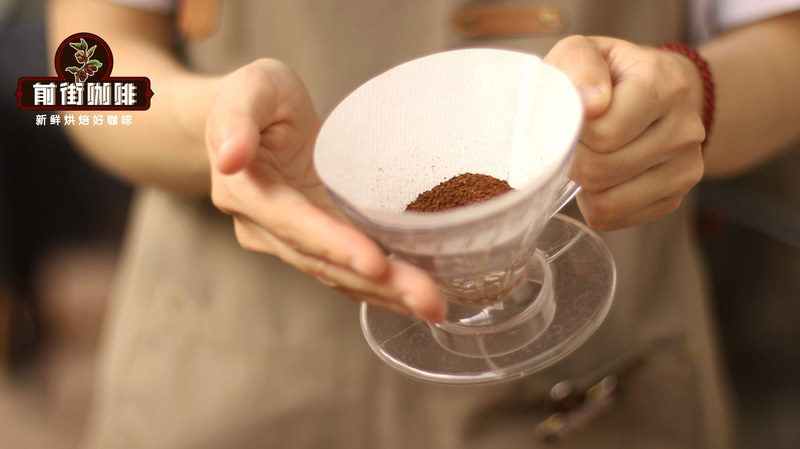
Many friends find the cold brew they make is either too strong or too weak, but the real issue is that the concentration and the coffee-to-water ratio are not sorted out. For home brewing, it is recommended to set the coffee-to-water ratio between 1:10 and 1:12, for example 30g of coffee grounds with 300g of cold water. If it tastes as thin as water, it is usually because too much water was added, resulting in insufficient concentration; if it feels tight and astringent on the palate, it is often not because it soaked too long, but because the grind is too fine, causing localized over-extraction.
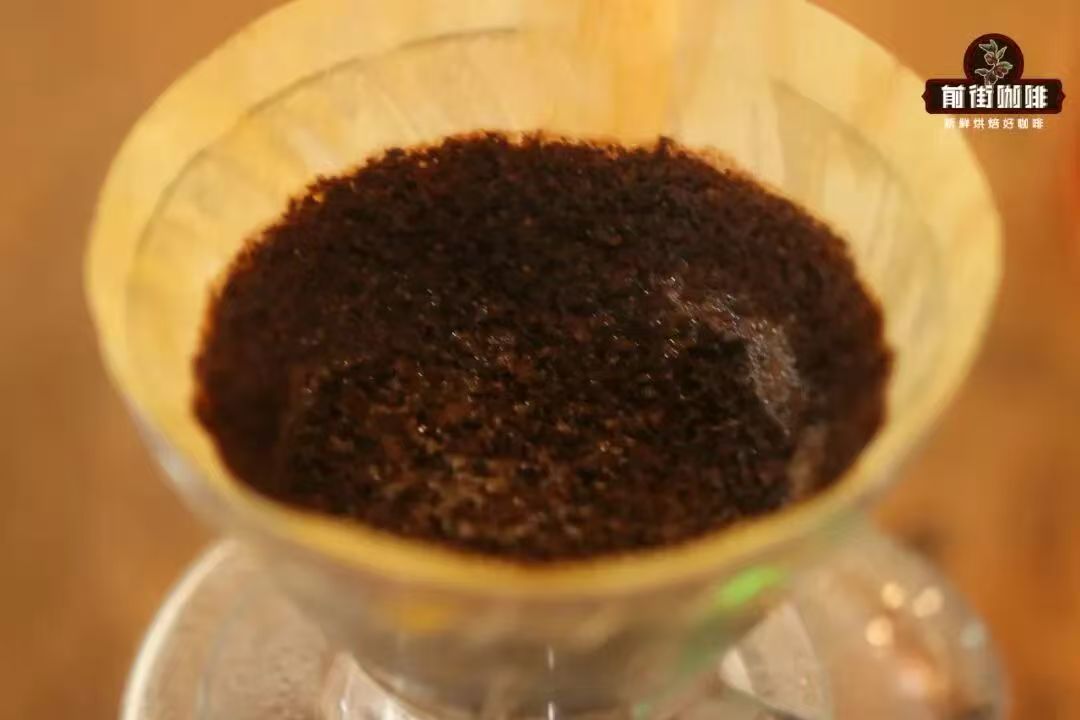
Grind size plays a decisive role in the extraction yield. For cold brew, a caster-sugar grind is recommended, that is, a state where 75% passes through a China No. 20 standard sieve. If ground too coarse, cold water struggles to penetrate to the center of the coffee particles, and it is over before the sweetness emerges; if ground too fine, the excess fines easily bring out astringency. If you find the current bag of beans tastes a bit astringent, next time adjust the grind slightly coarser, and you can easily restore a balanced, easy-drinking texture.
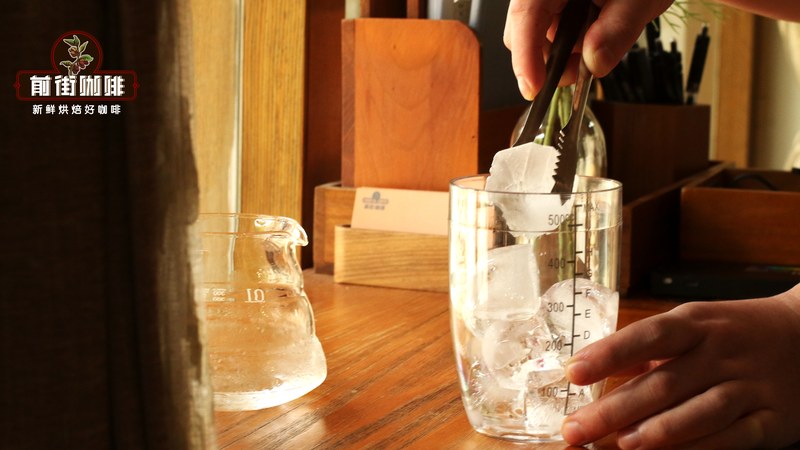
The actual process is not complicated. Pour 30g of freshly ground coffee into a clean airtight jar, add 300g of cold water and stir evenly so the particles are fully saturated, then seal and refrigerate to soak for 8 to 12 hours. After extraction is complete, use filter paper to thoroughly filter out the grounds, then seal the coffee liquid and refrigerate it for more than 3 hours. After this resting period, the flavor compounds in the coffee undergo further hydrolysis, and the mouthfeel becomes exceptionally full with more distinct layers.
In terms of bean selection, light-to-medium roasts can showcase bright sweet acidity and are especially suitable for iced drinks. Friends who prefer a mellow sweetness can choose Qianjie Strawberry Candy coffee beans. This medium-roast bean naturally carries rich honey and ripe-fruit aromas; soaked at a 1:10 coffee-to-water ratio, it displays astonishing sweetness and a sweet aftertaste, with the full flavors of grape and blueberry melting on the tongue, and when iced it drinks like an intense fruit hard candy.
If you like light floral notes and a black-tea charm, Qianjie Huakui coffee beans will be a pleasing choice. It carries full berry acidity and a moderate, soft fermentation note, with a long black-tea sweet aftertaste in the finish. This bean is suited to a looser 1:12 coffee-to-water ratio for a lighter drink; the resulting coffee liquid is clear and translucent, and gulped down it is like drinking a glass of iced berry black tea, with no burden at all, refreshing and thirst-quenching.
For friends who especially favor fresh flavors and citrus notes, Qianjie Gudingding Cooperative coffee beans are not to be missed. Bright, lively citrus acidity interweaves with fresh white floral notes and a delicate honey sweetness, and the finish carries a green-tea-like clean, moist aftertaste. Made into cold brew, the light fruit acidity appears especially clean and soft at low temperature, like cutting open a fresh, juicy sweet orange in the heat of summer, lighting you up all over.
Once the finished cold brew has been filtered of grounds, sealed and kept in the fridge, it can usually be properly stored for about 5 days. Once you understand the combination of water temperature, grind and coffee-to-water ratio, you can freely fine-tune it to a smooth concentration. Keep a jug on hand in the fridge when you have time, and whether to wake body and mind in the morning or cool off and relieve fatigue in the afternoon, pour a glass at any time and enjoy this pleasant fruity aroma brought by low-temperature slow extraction.
Related Reading

Comments (0)
Loading comments...
You May Be Interested



Trending Reviews
Popular Videos

With you, wherever you are! We provide useful features to help you find new things you'll love






