Source:Best Coffee > News Author:qjroot Published:2026-09-03 18:43:23
To make an Americano with a pronounced sweetness, coffee beans cannot be judged separately from the equipment parameters. An Americano made with an espresso machine relies on the espresso to provide aroma, sweetness and body; a pour-over Americano places more emphasis on extraction evenness and clarity on the palate; a moka pot's pressure and heating method in turn bring a heavier mouthfeel. First determine the equipment you commonly use at home, then match the grind size, temperature and dilution ratio, and the range of beans to choose from will become more specific.
When using an espresso machine, you can start with a recipe of 18 g of grounds and 36 g of liquid weight, with the extraction time controlled at roughly 25 to 32 seconds. To make the Americano sweeter, you can rein in the yield to between 1:1.8 and 1:2, then add an appropriate amount of hot water to extend the concentration. You can start testing with a water temperature of 91 to 93 °C; if it tastes sharply acidic on the palate, raise the temperature appropriately or slow the flow rate; if the finish is bitter, then reduce the liquid weight or make the grind slightly coarser.
Water temperature and the grounds-to-liquid ratio will change the way sweetness is expressed. A shorter espresso ratio will make the caramel note and jammy note more concentrated, and after dilution there is still a clear coffee taste; when the ratio is stretched longer, the cup becomes lighter, but the acidity and bitterness are also more easily amplified. When making an Americano, a hot water temperature of about 85 to 90 °C makes it easier to preserve the aroma, and the amount of water can be increased according to the concentration you accept, without having to add it all at once to the point of being very weak.
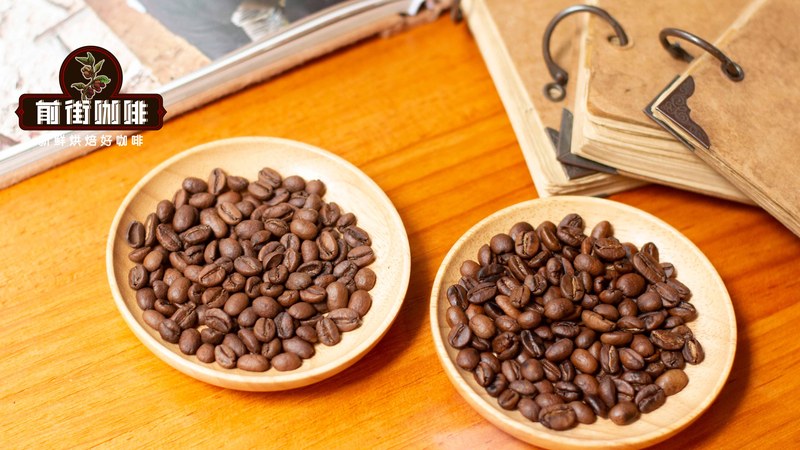
If you like bright fruity notes and also hope there is still sweetness after it cools, you can look at Qianjie Ethiopia Huakui. In an espresso machine it easily shows aromas like ripe fruit, strawberry jam and tropical fruit, with a lively acidity that is not sharp. The grind can start from medium-fine, using a yield ratio of about 1:2; after making it into espresso, add ice water or a small amount of hot water, and the fruity aroma will be even more suited to a summer iced Americano.
When making an Americano with a home moka pot, the coffee bed should not be tamped tight, the grind size can be set between pour-over and espresso, and the water amount should be prepared according to the pot's specifications. Use medium-low heat during the heating stage, and remove it from the heat source promptly once the coffee liquid begins to flow out continuously, then adjust the concentration with hot water. Such parameters can reduce burnt bitterness, allowing the beans' sweetness and body to be retained, and are suited to people who like a rich mouthfeel but do not want to use an espresso machine.
If you often use a moka pot, you can also try Qianjie Kenya Little Tomato. This bean's acidity is like the brightness between fresh tomato and plum, and afterward it brings out a finish like dark dried fruit and granulated sugar. The moka pot will increase its concentration, making the juicy feel more concentrated; after adding more hot water, the cup still has clear sweet-and-sour lines, making it suitable for a vibrant hot Americano.
For a pour-over Americano, it is recommended to use 15 g of coffee grounds with 225 to 240 g of water, start with a water temperature of 91 to 94 °C, and keep the grind medium-fine. Pour in two to three stages to keep the coffee bed continuously saturated, with the total time at about 2 minutes 30 seconds to 3 minutes. If it tastes thin, you can grind a little finer or reduce the total water amount; if the finish is astringent, then reduce the circular stirring and speed up the flow rate in the latter stage.
Qianjie Yirgacheffe Gudingding is more suited to opening up the aroma with a pour-over device. Its flavor changes between citrus, berries and a faint floral note, and after it cools it can still leave a clear sweetness like tea. When the water temperature is higher the aroma is more assertive, while a lower water temperature makes the mouthfeel softer; when making it as an Americano, the total water amount can be controlled at about 1:15, so it has a light feel without losing the aftertaste.
If you want to make an iced Americano, you can make the hot extraction a bit more concentrated, then pour it directly over ice cubes. For pour-over, you can use 15 g of grounds, 180 g of hot water and about 90 g of ice cubes, so that the total liquid amount after the ice melts is close to 270 g; for espresso, you can first extract a shorter espresso, then add ice water. This can avoid the cup tasting too thin after the ice cubes melt, and also keeps the floral and fruity aromas recognizable at low temperature.
When buying, you can write the equipment parameters next to the bean bag as a reference: for an espresso machine, focus on concentration, yield ratio and flow rate; for a moka pot, focus on heat level and the state of the coffee bed; for pour-over, focus on water temperature, grind and total time. If you like fruity notes, you can start with Qianjie Ethiopia Huakui or Qianjie Yirgacheffe Gudingding; if you prefer a clear sweet-and-sour taste, Qianjie Kenya Little Tomato will have more presence. Once selected, brew several cups in a row, then adjust the parameters according to the sweetness in the cup, and the Americano will gradually form a stable recipe that suits you.
Related Reading
Comments (0)
Loading comments...
You May Be Interested


Trending Reviews
Popular Videos

With you, wherever you are! We provide useful features to help you find new things you'll love






