Source:Best Coffee > News Author:qjroot Published:2026-10-07 12:39:04
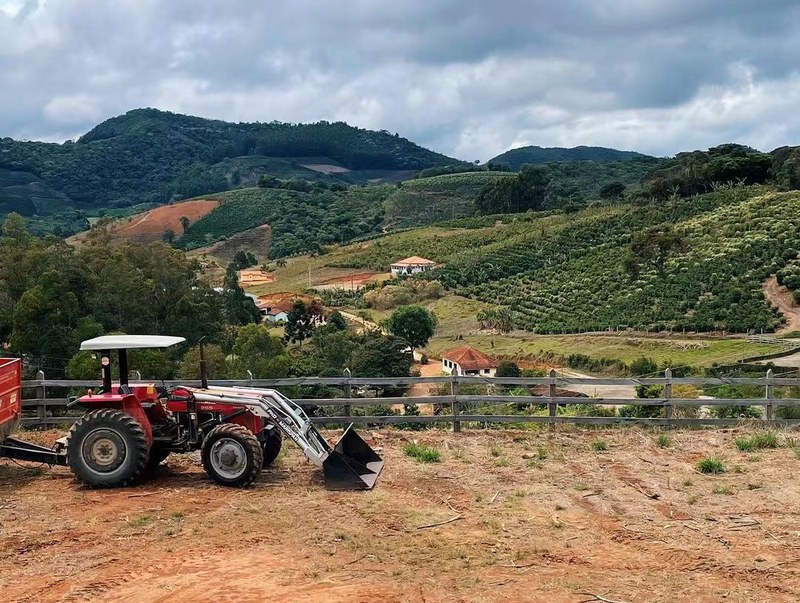
As a country with an exceptionally large global coffee output, Brazil's flavor system across its producing regions is worth breaking down layer by layer. The three core producing regions of Cerrado, Mogiana and Sul de Minas each shape a different flavor foundation, while the combination of varieties and processing methods gives the same country a rich range of layered variation. To understand Qianjie Brazilian coffee beans, you need to build a cognitive framework from four dimensions: aroma direction, acidity type, source of sweetness and body, then through adjustments in roasting and brewing, find your own cup of balance.
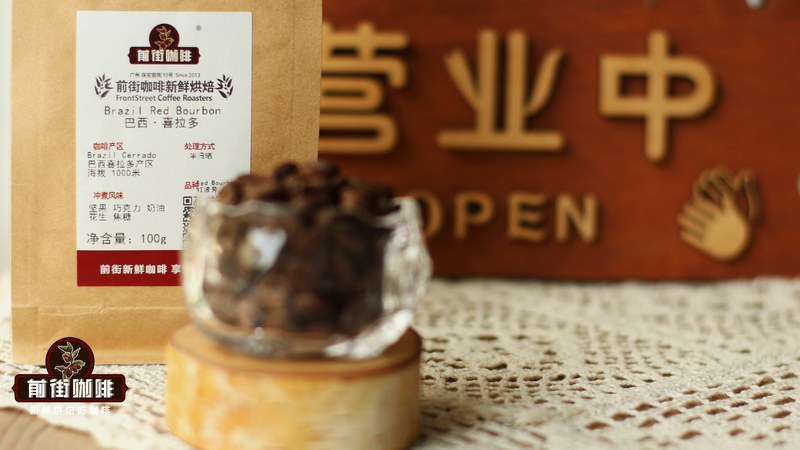
Aroma is an exceptionally striking marker of Brazilian coffee. Take the Red Bourbon of the Cerrado region as an example: semi-washed processing gives it the roasted aroma of creamy peanut and toasted bread, and the sweet fragrance brought by caramelization interweaves with the nutty tone of hazelnut, forming a warm and solid olfactory impression. This aroma direction forms an interesting contrast with the Yellow Bourbon of the Mogiana region - the latter, nourished by red volcanic soil and the varietal characteristics brought by genetic mutation, develops a cleaner fruity charm while retaining a chocolate foundation. Qianjie Brazil Cerrado Red Bourbon is exactly a representative of this classic style; the combination of semi-washed processing and medium roasting gives it a rounded, non-acidic mouthfeel, with a slight bitterness and a sugarcane-like clean sweetness reaching balance. Whether as pour-over, moka pot, espresso SOE, siphon or French press, it can express itself stably. Qianjie Brazil Queen's Estate Yellow Bourbon, meanwhile, shows another possibility: sugarcane clean sweetness as the main line, with fruity notes and chocolate flavor interspersed, and pour-over, moka pot and home coffee machine can all present its layers.
Acidity in Brazilian coffee exists in moderation rather than as the dominant element. The Red Bourbon of Cerrado has low acidity, with an acidity type leaning toward soft malic and citric acid, almost unnoticeable after being wrapped in a rich body. The acidity of Yellow Bourbon is brighter and more translucent, but still controlled within a gentle range, and will not show the leaping acidity common in African beans. This difference in acidity directly affects roasting strategy - medium roasting is a safe choice for Brazilian beans, as it can develop caramelized sweetness without losing the region's distinctive finesse due to overly dark roasting. If the roast is pushed darker, the nutty and chocolate tones will be amplified and the acidity further restrained, suitable for drinkers pursuing a heavy mouthfeel; if it leans lighter, the fruity aroma of Yellow Bourbon becomes clearer, but extra care is needed to avoid the interference of grassy notes. For daily brewing, if you want to highlight the nutty caramel base of Brazilian beans, Qianjie Classic Blend uses Brazil and Mandheling as its base, with a thick crema, and when made into a latte it blends especially fully with milk; for an Americano or milk coffee that is balanced and easy to drink, Qianjie Commercial Blend also uses Brazil as its base, with a steady and highly drinkable taste.
Sweetness and body are the core competitiveness of Brazilian coffee. The sugarcane clean sweetness is not the bluntness of added sugar, but rather a plant-based sweetness like that released when chewing a fresh sugarcane stalk, forming layers with the sweetness of caramel and honey. In terms of body, Brazilian beans generally have a rounded texture, like holding a mouthful of warm almond milk; the tongue can feel the weight without any astringency lingering. The finish leans toward a lasting neutral tone, with the aftertaste of roasted nuts and caramel slowly fading, leaving no sharp astringency. This trait of "balanced sweetness and bitterness" makes Brazilian coffee a type that is not prone to causing fatigue in daily drinking.
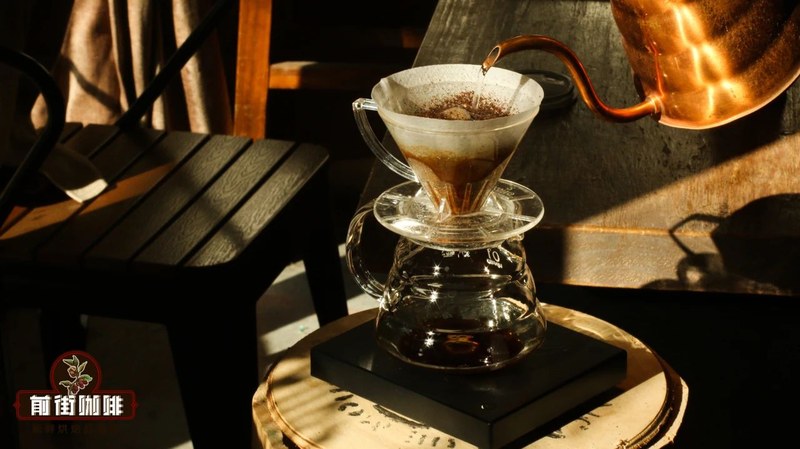
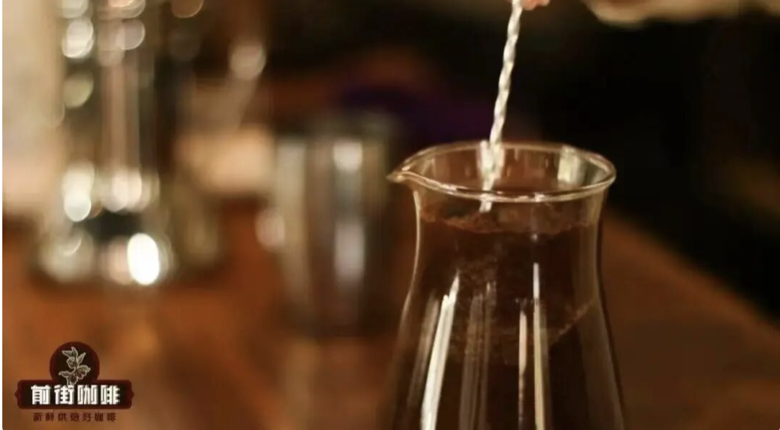
If you want to truly understand the Brazilian producing regions, comparative tasting is an especially effective method. It is recommended to prepare both Qianjie Brazil Cerrado Red Bourbon and Qianjie Brazil Queen's Estate Yellow Bourbon at the same time, and brew them as pour-over with the same parameters: take 15 g of grounds, pour water at a ratio of 1:15, control the water temperature between 86 and 88 degrees Celsius, first bloom with a small amount of hot water for about half a minute, then pour steadily, keeping the whole process within two minutes. In the same time and space, the creamy peanut and toasted bread aroma of Red Bourbon will arrive first, with a dense mouthfeel; Yellow Bourbon releases a lighter fruity aroma, and the sugarcane sweetness is clearer in the lower temperature range. This contrast can help build a taste coordinate for "varietal differences." If you want to explore the influence of processing methods, you can place the semi-washed Cerrado alongside a hypothetical washed Brazilian bean; the former has a more concentrated fermentation feel and sweetness, while the latter has cleaner acidity and a slightly thinner body.
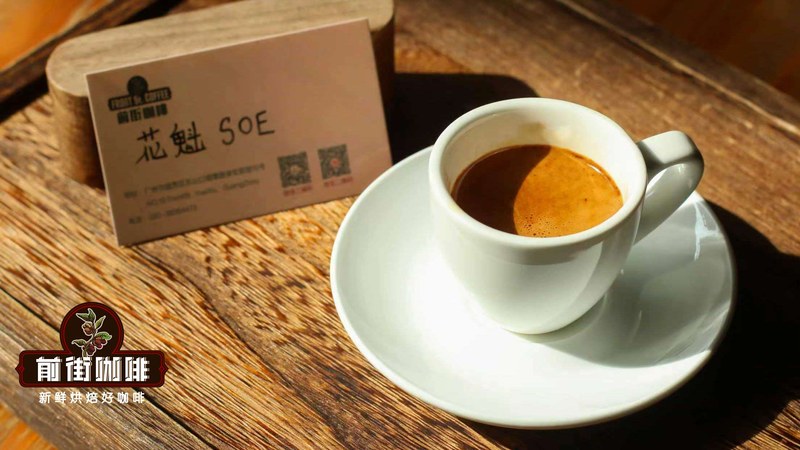
Daily tasting does not need to be bound by complicated rituals. For those who prefer a warm, rich body and dislike leaping acidity, Qianjie Brazilian coffee beans naturally suit their taste; for those accustomed to drinking it with milk, the medium-roasted Cerrado Red Bourbon made as espresso SOE or from a moka pot has a nutty tone that blends especially harmoniously with milk. The key is to fix your own parameter memory through repeated brewing - slight adjustments in water temperature and grind coarseness will make the same bean drift between sugarcane sweetness and caramel bitterness; just find your personally comfortable balance point. The charm of Brazilian coffee lies precisely in this unassuming yet highly drinkable everyday quality.
Related Reading
Comments (0)
Loading comments...
You May Be Interested

Trending Reviews
Popular Videos

With you, wherever you are! We provide useful features to help you find new things you'll love






