Source:Best Coffee > News Author:qjroot Published:2026-09-19 12:32:47
The deep impression Indonesian coffee leaves in many people's cups is often a steady earthy aroma, herbal notes and a rich dark chocolate feel. This solid, understated character gives the coffees of the Indonesian archipelago a distinct identity on the flavor map, and it also draws a clear line for everyday bean choices: whether to enjoy its full regional character on its own, or to use its rich base to make a blend firmer and more stable.
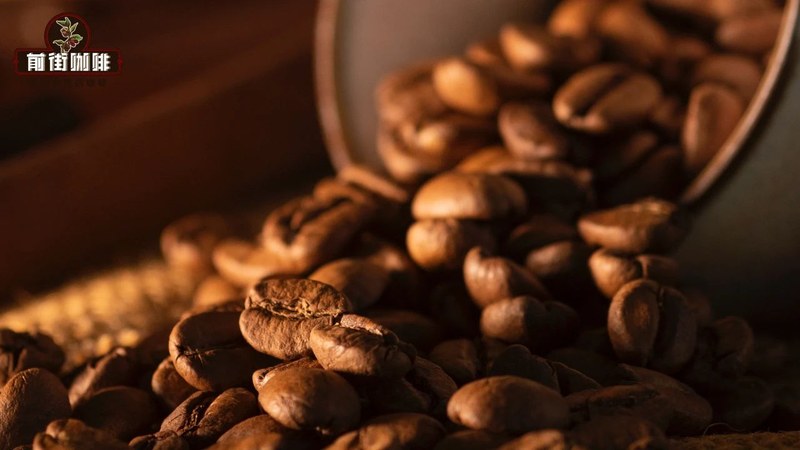
Going the single origin route means pursuing the authentic terroir and processing craft of a region. Indonesia's rainy, humid geography gave rise to the traditional wet-hulled method, which gives the beans a unique pine, damp herb and gentle medicinal aroma, with very low acidity and a long-lasting sweetness. Tasting a single origin Indonesian bean is about drinking this rugged, direct sense of substance: rich and dense on the palate, with a comfortable dark cocoa finish, making it a great fit for coffee lovers who prefer a bold, acid-free flavor.
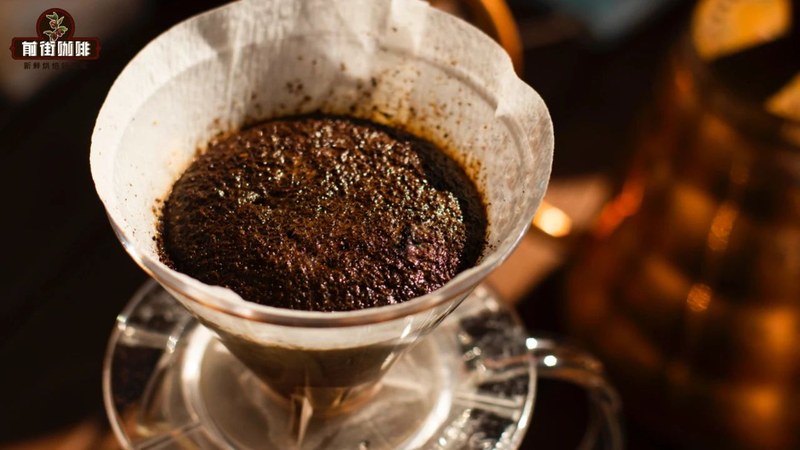
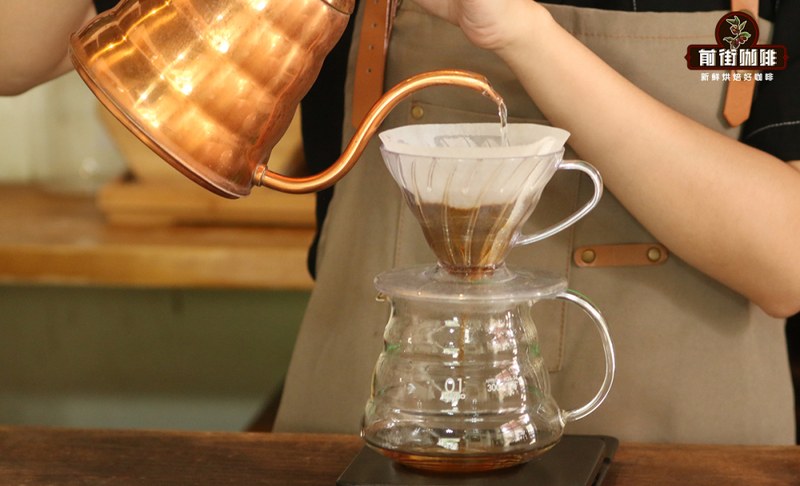
When brewing a single origin Indonesian bean, pour-over can tease out clear herbal sweetness. Prepare 15g of medium-dark roasted single origin Indonesian beans, ground slightly coarser than usual for pour-over, use 88°C water, and a 1:15 coffee-to-water ratio. Use a three-stage pour: first pour 30ml of water and let it bloom for 30 seconds, then pour steadily in circles up to 120ml, and once the water has drained through, pour the final stage up to 225ml and stop, keeping the total time at 2 minutes 05 seconds. The resulting cup is sweet and substantial without any dryness.
If you want to experience the other side of single origin coffee, a light-roasted floral and fruity bean offers a lively contrast. For example, Qianjie Grana Estate Geisha shows a bright, delicate character, with citrus blossom, ripe apricot and passion fruit-like sweetness, plus a fine strawberry berry note in the mid-to-late finish. Likewise use 15g of grounds with 91°C water and a 1:15 ratio, a three-stage pour lasting 2 minutes 10 seconds, giving a clear, lively cup like a floral and fruity tea, exactly presenting the light beauty opposite to Indonesian single origins.
Turning to the blend route, Indonesian coffee's role shifts to building structure and flavor balance. Because Indonesian beans have excellent body and crema performance, roasters often use them as a base when designing espresso blends. With a suitable amount of Indonesian beans added to the recipe, it not only effectively suppresses sharp acidity but also gives the whole cup a steady, dense mouthfeel, keeping the output reliably flavorful under all kinds of brewing conditions.
Once you understand a blend's recipe ratios, choosing beans becomes much more confident. If Indonesian beans make up about 30% of the blend, paired with Brazilian or Colombian beans, the coffee will generally lean toward nutty, caramel and dark chocolate richness, with a heavy, low-acid body; if the Indonesian share drops to about 10%, with the rest led by washed high-altitude beans, the overall flavor shifts toward a fresh, soft fruit profile with livelier acidity.
A classic espresso blend containing Indonesian beans performs especially well in milk drinks. Using an espresso machine, take 18.5g of finely ground coffee, fill it into the portafilter basket, and extract at constant pressure for 26 seconds to get 37g of thick espresso. Once the generous crema and deep bittersweetness are wrapped by steamed milk, it quickly brings out a rich, harmonious melted chocolate sweetness, and even a large cup won't taste thin, making it a great partner for a quick morning pick-me-up.
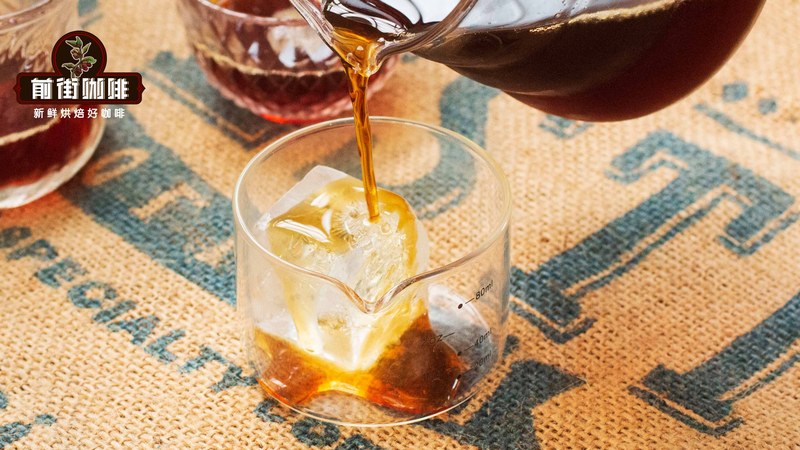
If you like the rich variation of a single origin espresso, you can also try a fruity SOE such as Qianjie Colombia Sidra. It has abundant blueberry, red grape and stone fruit aromas; pulled as espresso and poured over ice water to make an iced americano, the juicy character unfolds layer by layer, with a sweet, juicy finish. Compared with the heavy dark chocolate profile of an Indonesian blend, this kind of SOE offers a more impactful fruit exploration, perfect for savoring slowly when you want a change of mood in the afternoon.

Whether to choose single origin or a blend comes down to being clear about your drinking scenarios and equipment setup. If you enjoy slowly sensing the herbal sweetness that temperature changes bring during pour-over, or you love the rich black coffee brewed in a French press or moka pot, single origin Indonesian beans let you truly feel the region's distinctive backbone; if you rely on an espresso machine to make lattes and want balanced, rich cups every day, then a blend based on Indonesian beans is the worry-free, reliable option.
Once you understand the underlying logic that single origins are for character and blends are for consistency, you can easily make a judgment when facing the dazzling array of Indonesian coffee labels on the shelf. Pick the right bag according to your own brewing habits, and every grind and extraction will land precisely on the flavor track you expect.
Related Reading



Comments (0)
Loading comments...
You May Be Interested


Trending Reviews
Popular Videos

With you, wherever you are! We provide useful features to help you find new things you'll love






