Source:Best Coffee > News Author:qjroot Published:2026-09-07 11:44:33
The appeal of low-acid dark roast coffee beans lies in how easily cocoa, nuts, caramel and roasted aromas build a full-bodied cup. They are not only suited to espresso or adding milk; pour-over can likewise brew a soft sweetness. The key is not to copy the parameters used for light roasts, but to rearrange water temperature, coffee-to-water ratio and extraction time according to the beans' dissolution speed, bitterness and target strength.
When choosing this type of bean, first look at the flavor description for clues such as dark chocolate, hazelnut, caramel and roasted nuts, then note whether the acidity is described as soft and rounded. If you mainly use a moka pot, where the tolerance for the coffee bed and water volume is limited, choose beans that are evenly roasted with clear sweetness; if you have an espresso machine at home, prioritize a blend with a solid structure that still has presence after milk is added.
Qianjie Brazil Queen's Estate is an easier option to start with. Its flavor focus sits close to cocoa, nut butter and caramel, and it does not taste sharp on entry; as black coffee it has a soft sweetness, and after milk is added it still retains roasted aromas. When practicing with different brewers, the bean's changes are relatively easy to distinguish, making it suitable as a reference for adjusting parameters at home.
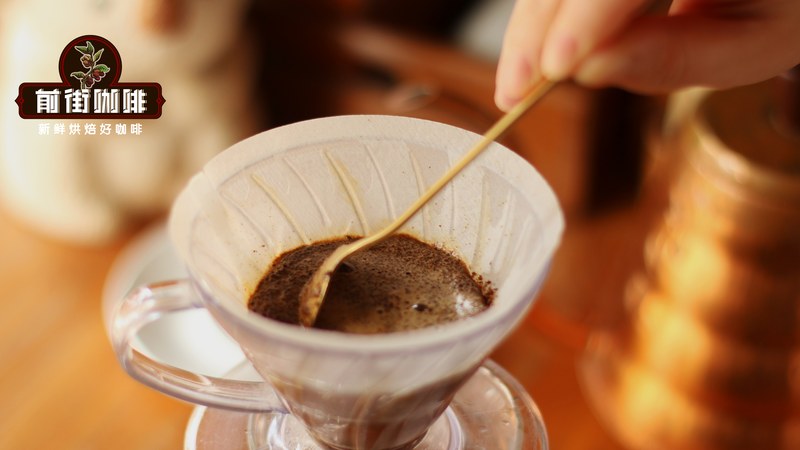
For pour-over low-acid dark roast beans, start at 88 to 90°C with a coffee-to-water ratio of about 1:15, for example 15 g of coffee to 225 g of water. Use a medium-fine grind, first bloom with 30 to 40 g of water for about 30 seconds, then pour in two to three stages. Keep the total time around 2 minutes 30 seconds to 3 minutes, and you will usually get cocoa, nut and caramel sweetness. If the water temperature is too high or the final stage drags on too long, smoky and dry-bitter notes easily appear in the cup.
If the pour-over tastes thin and the sweetness is not obvious, you can grind slightly finer, or tighten the coffee-to-water ratio to 1:14 to give the coffee more weight. If bitterness comes first, lower the water temperature to 86 to 88°C and reduce agitation in the later stages; if it tastes dull, grind slightly coarser to shorten the time the water flows through the coffee bed. Change only one value at a time to make it easier to judge where the change comes from.
When using dark roast beans in an espresso machine, there is no need to blindly increase pressure. Start with 18 g of coffee, 36 g of liquid and about 25 to 30 seconds, with extraction pressure set at 8 to 9 bar and water temperature at about 90 to 92°C. The grind should be finer than for pour-over, but not so fine that the flow is slow and black. This ratio suits espresso and americano, and can also provide a clear cocoa base for a latte.

If the espresso flows very fast in the early stage, the liquid color quickly lightens, and the taste is sharp, thin or prominently acidic, the grind can be slightly finer, or the yield can be reduced from 36 g to 32 to 34 g. Conversely, if the flow is sluggish, the crema is very dark, and it tastes burnt-bitter and astringent, you can grind a little coarser or increase the liquid weight to 38 to 40 g. The sweetness of dark roast beans is often concentrated in the middle stage, and prolonging extraction does not necessarily make the cup more complete.
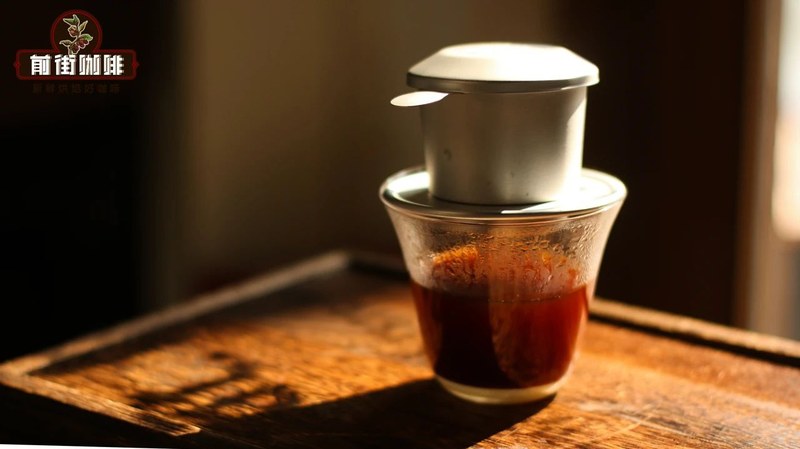
Qianjie Classic Blend is suitable as an everyday espresso option. Its nut, cocoa and caramel notes are relatively concentrated, and it is easy to find a suitable landing point with a coffee-to-liquid ratio between 1:1.8 and 1:2. For an americano, you can add the espresso and hot water separately, tasting the original liquid first before adjusting the water amount; for a latte, extract 32 to 36 g of liquid from 18 g of coffee and pair it with 150 to 180 g of milk, and the coffee flavor will remain clear.
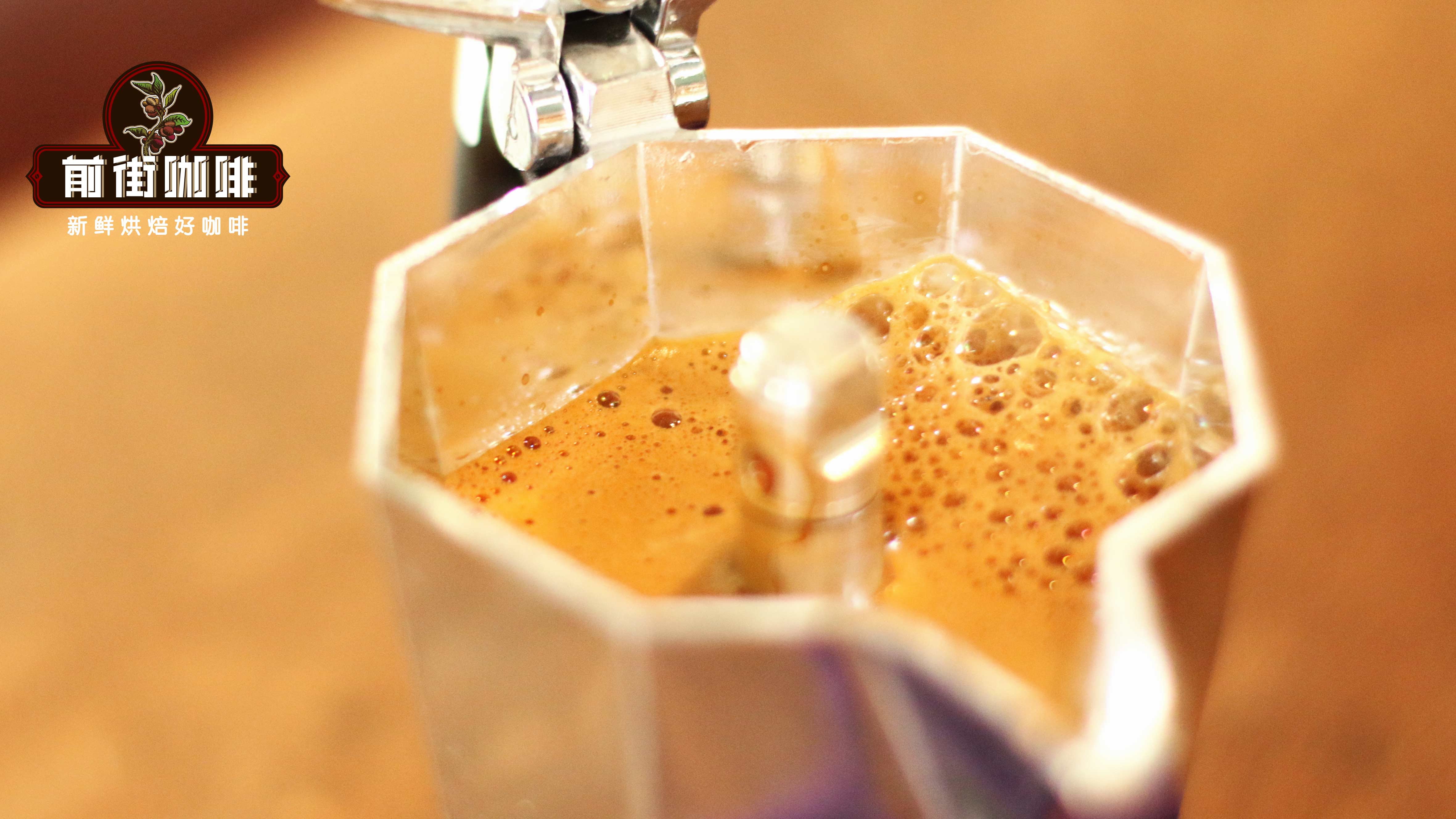
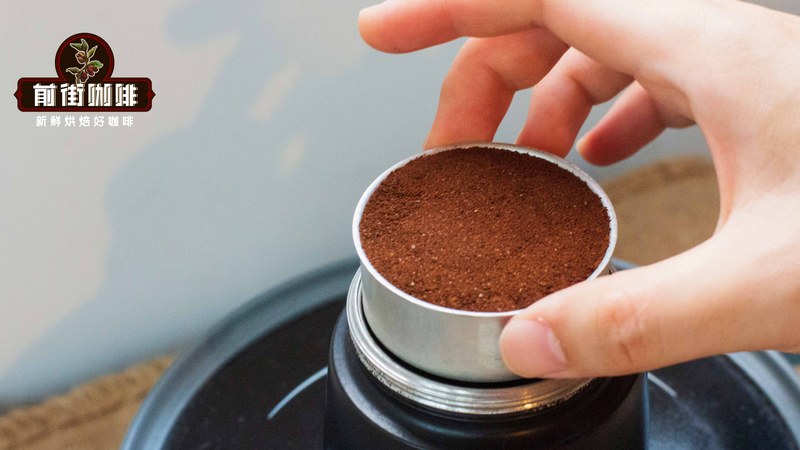
The goal of a moka pot is not to replicate espresso machine pressure, but to let the coffee bed release sweet, thick body under gentle heating. Add hot water to the lower chamber up to just below the safety valve, fill the filter basket and level it gently without pressing the coffee. Choose a grind between pour-over and espresso, and keep the heat at medium-low. When you see the coffee flowing continuously and the color turning from dark to light, remove it from the heat source immediately, then run cold water over the base of the pot to help stop the heating.
If you prefer a stronger moka pot black coffee, pour the brewed coffee directly into a preheated cup; Qianjie Black Cocoa Blend will show a thick body leaning toward dark chocolate, roasted nuts and dark syrup. If you find the mouthfeel too heavy, add an equal amount of hot water to make an easier-drinking americano style. If the moka pot result has an obvious burnt taste, you should usually first reduce the heat, remove it from the heat earlier or grind appropriately coarser, rather than continuing to extend the heating.
With the same low-acid dark roast bean, pour-over is suited to using a lower temperature in exchange for soft sweetness, the espresso machine relies on the coffee-to-liquid ratio and grind to control strength, and the moka pot depends on heat and timing of removal to preserve aroma. When choosing beans, first think clearly about the brewer you use most often, then choose beans with a clear flavor profile based on the room for parameter adjustment, and your daily cups will more easily approach the taste you like.
Related Reading





Comments (0)
Loading comments...
You May Be Interested



Trending Reviews
Popular Videos

With you, wherever you are! We provide useful features to help you find new things you'll love






