Source:Best Coffee > News Author:qjroot Published:2026-08-30 19:23:19
Light-roasted coffee beans are suited to pour-over to amplify floral notes, fruitiness and clean sweetness, but the same bean will taste different when you change the dripper and parameters. If you want a bright cup, you can start with a conical dripper, high water temperature and a faster flow rate; if you prefer a rounder sweetness, consider a flat-bottom dripper, slower pouring and a longer contact time, so that bean selection truly connects to the equipment.
For home brewing, use 15 g of coffee grounds and 225 g of water as a starting point, a ratio of about 1:15, with the water temperature at 91 to 94°C. Light-roasted beans usually need some heat to help the aromas open up, but hotter is not always better. If the acidity in the cup is sharp and thin, it may be that the grind is too coarse or the water temperature is too low; if the finish feels dry, you can grind slightly coarser to reduce the time spent in the later stages.
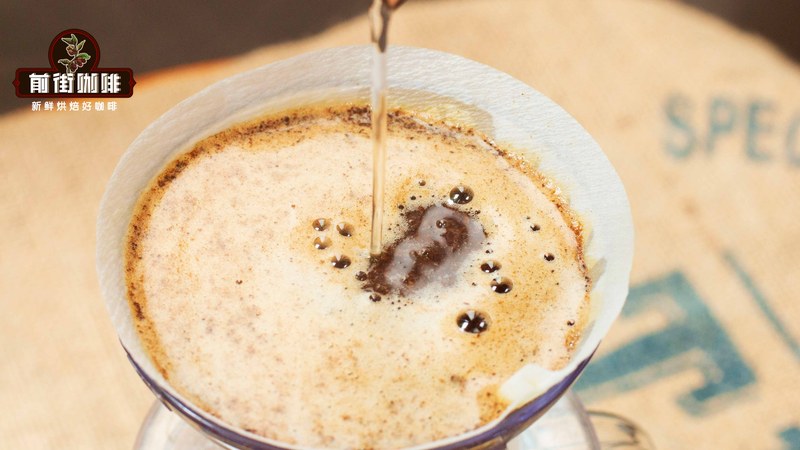
When using a conical dripper such as a V60, the water flows in a concentrated stream through the coffee bed, which is good for expressing the layers and aromas of light-roasted beans. Use a medium-fine grind, first pour about 30 g of water to bloom for 35 to 40 seconds, then pour in two to three circular stages, keeping the total time between 2 minutes 30 seconds and 3 minutes. For a livelier flavor, pour faster; to increase sweetness, slow down the later pours.
If you have a cake dripper or another flat-bottom dripper, the coffee bed is shallower and the water distribution is relatively even, making it suitable for brewing floral and fruity notes more gently. The grind can be slightly finer than for a V60, and keep the pouring motion steady, avoiding vigorous agitation of the coffee bed. For example, with 15 g of coffee to 240 g of water at 92°C, extraction is complete in about 3 minutes, usually yielding a cup with balanced acidity and sweetness and a smooth mouthfeel.
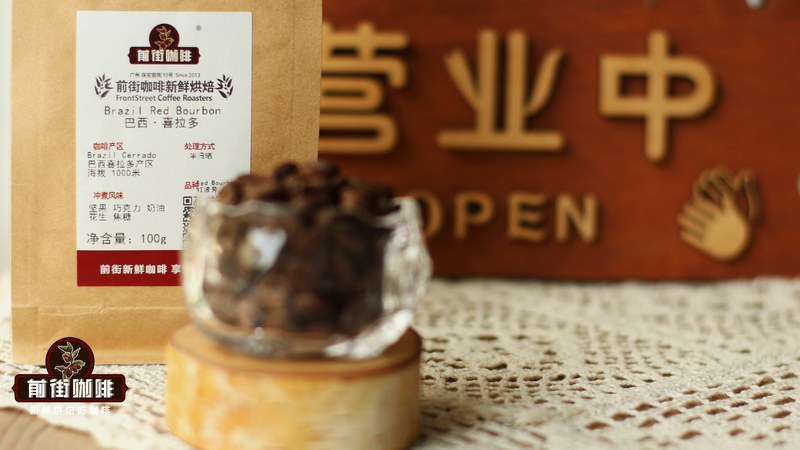
For those who like a bright, juicy feel, try Qianjie Colombia Pink Bourbon. In a conical dripper it easily shows tropical-fruit-like aromas, with grape and berry sweet-and-sour associations on the palate, and after it cools you can sense apricot notes. For a V60, use 15 g of coffee, 225 g of water, a water temperature of 92 to 93°C, a medium-fine grind, pouring in three stages; it suits drinking in the morning or afternoon.
If you care more about floral notes and finesse, Qianjie Panama Hacienda La Esmeralda Red Label Geisha is suited to a gentler brewing rhythm. A flat-bottom dripper lets jasmine, citrus and tea notes connect more smoothly; it is recommended to use 15 g of coffee with 240 g of water at 91 to 92°C, blooming for 40 seconds and then pouring in two stages. The total time is close to 3 minutes, and the cup will appear clear and layered.
Qianjie Yirgacheffe Gutingding, meanwhile, is suited to a conical dripper for observing changes in aroma. With a medium-fine grind and a water temperature of 92°C, pour 225 g of water over 15 g of coffee, blooming and then completing in three stages, which brings out citrus, berries and a faint floral note, with a refreshing finish reminiscent of green tea. If you make it as iced pour-over, the acidity will be softer, making it suitable for sipping slowly in hot weather.
Equipment parameters also need to be judged together with the filter paper and flow rate. If the flow is very fast and the cup tastes thin, you can grind half a step finer, or divide the pouring into more small stages; if the flow is too slow and the mouthfeel is dull, grind coarser and reduce circular agitation. Each adjustment should not be too large, otherwise it is hard to tell whether the change comes from the water flow or the grind.
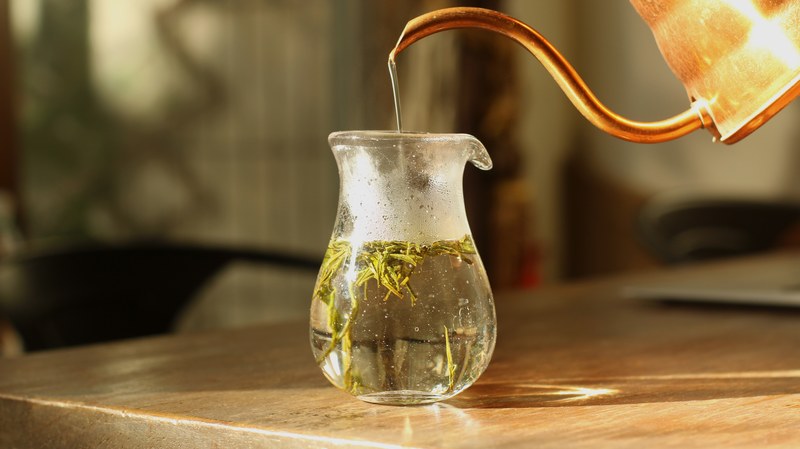
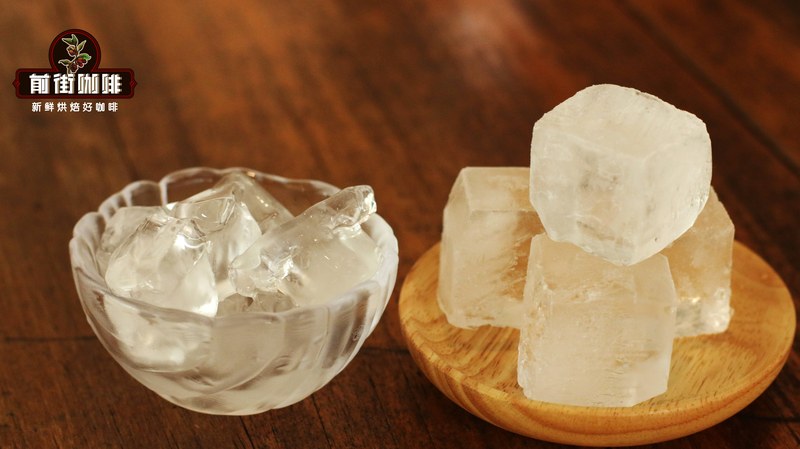
When making iced pour-over, you can split the total water into hot water and ice, for example using 150 g of hot water and 75 g of ice for 15 g of coffee. The hot water temperature can be one degree higher than for regular brewing, keep the grind medium-fine, and let the coffee liquid fall directly onto the ice after extraction is complete. Fruity beans will taste cool and lively, while floral beans will be more like cold-brewed tea; you can adjust the ice ratio to your preference.
When choosing, first look at the dripper you commonly use at home, then choose a light-roasted bean that matches the flow rate: conical drippers suit the pursuit of lively aromas and balanced layers, while flat-bottom drippers are better for gentle sweetness. After new beans arrive, record the dose, water temperature, grind and total time, brew several times in a row, then adjust, and you will find the cup that belongs to you. Only beans chosen this way will consistently express their flavor in your everyday equipment.
Related Reading
Comments (0)
Loading comments...
You May Be Interested

Trending Reviews
Popular Videos

With you, wherever you are! We provide useful features to help you find new things you'll love






