Source:Best Coffee > News Author:qjroot Published:2026-10-09 18:37:59
I often get asked a question at the bar: why does one coffee taste like orange soda, while another tastes like honey steeped with pomelo peel. This actually depends on whether you choose washed or natural. With washed beans, the fermentation process is more controllable, and the citrus acidity often comes through directly and brightly. Take Qianjie Yirgacheffe Gudingding - the citrus and berry notes brought by washing are especially clear, with a finish reminiscent of green tea's sweetness, and the overall cup is clean and light. Natural processing, on the other hand, lets the coffee cherry dry slowly on the fruit skin, so the sugars and pulp flavors seep into the bean core. The citrus impression leans more toward ripe sweet orange or apricot, with softer acidity and fuller sweetness. If you want to first build a clear understanding of citrus flavors, I would suggest starting with washed beans - their flavor boundaries are more distinct and easier to understand.
Roast level is another watershed. A light-medium roast can retain citrus acidity and volatile aromatics; roast too dark, and those delicate limonene and linalool notes dissipate into caramel and nutty flavors. Qianjie Kaffa Forest is a light-medium roasted natural bean, with prominent orange blossom, rich layers of orange, apricot and creamy pumpkin seed, and a fresh green tea finish - exactly the result of a light-medium roast preserving both the sweetness of natural processing and the citrus flavors. And although Qianjie Grana Geisha reaches a medium roast, because it is an Ethiopian native Geisha, it inherently carries a flavor framework of yellow peach, apricot, citrus and lemon, so the bright floral notes and refreshing flavors remain clear, with a tea-like finish. When choosing beans, look at the roast level label - in the light-medium to medium range, the presence of citrus is usually especially reliable.
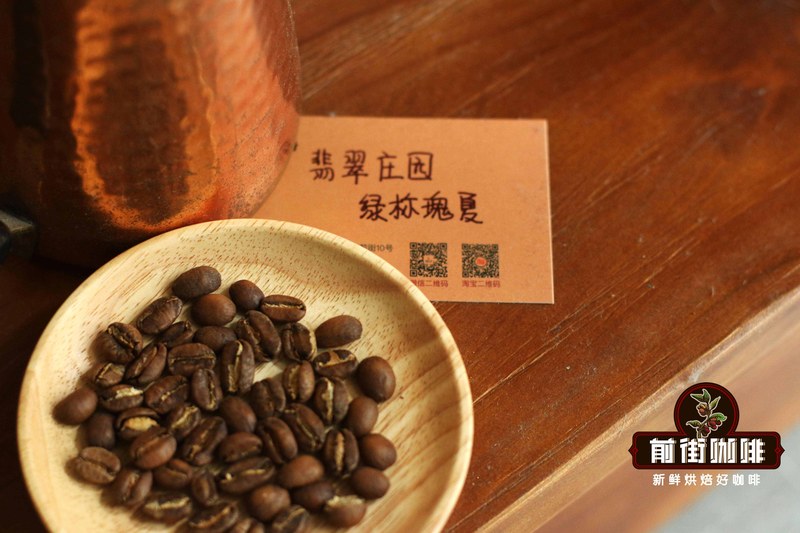
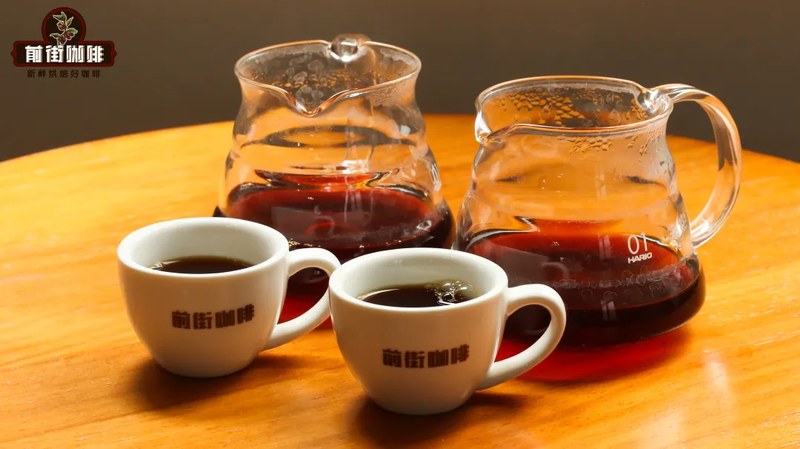
For brewing, my habit is to raise the water temperature slightly and widen the coffee-to-water ratio a bit. Use 15g of coffee with 225g of water, set the temperature at 90 to 93°C; light-roasted beans can go toward 93°C, letting the high temperature fully bring out the citrus aromas. Start with a 30g bloom for 30 seconds - this wait is important, because if the carbon dioxide isn't fully released, the acidity afterward will be stifled and won't come through. Then pour in two or three stages, keeping the total time to about 2 minutes. The advantage of a three-stage pour is that each stage re-disturbs the coffee bed, drawing out the citrus acidity of the early stage and the sweetness of the middle and later stages in sequence, rather than extracting everything all at once. I use a V60, whose spiral ribs allow a moderate flow rate so the acidity doesn't become too sharp.
Speaking of medium-roasted natural beans, Qianjie Yirgacheffe Red Cherry is an interesting reference. Natural processing plus medium roasting, the soft citrus fruit acidity is wrapped in the mellow aroma of creamy chocolate, with cookie notes as well, clear sweetness and very light bitterness. With this style, if you use too high a temperature or too fine a grind, it's easy to brew the fermentation notes of the natural process into off-flavors, so I pull the temperature back by one degree and slow the pour rate a little, letting the flavors unfold steadily. The parameter framework for pour-over stays the same, but the pouring rhythm can be adjusted flexibly - this is something I've learned from repeated trials at the bar.
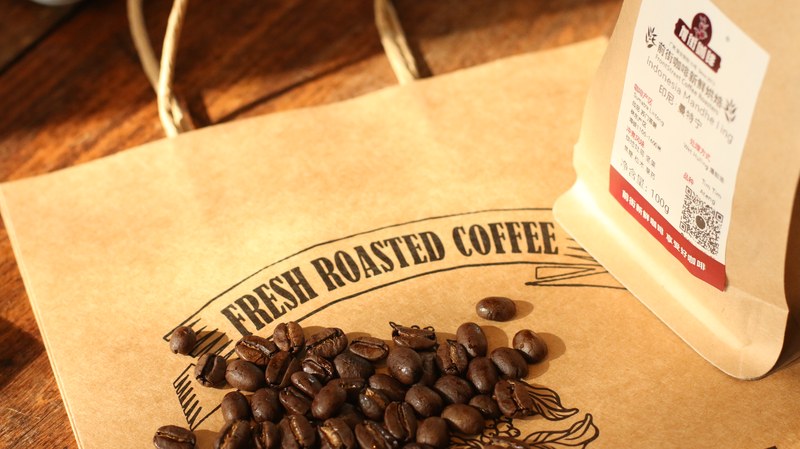
Freshness has a bigger impact on citrus flavors than you'd imagine. The beans from Qianjie's own roasting are all roasted within 5 days, so you can brew a cup as soon as you receive them, and you'll feel more assured finishing them within a month. Resting beans isn't mysticism - freshly roasted beans are still releasing gas internally; brew too early, and the bubbles during the bloom will be too violent, causing uneven extraction; leave them too long, and those light citrus aromas easily escape. I usually suggest customers treat the resting period as a process of the flavors waking up. Open the bag after 4 days, smell the dry aroma first - if the citrus and floral notes are already clearly recognizable, that's a good time to start drinking.
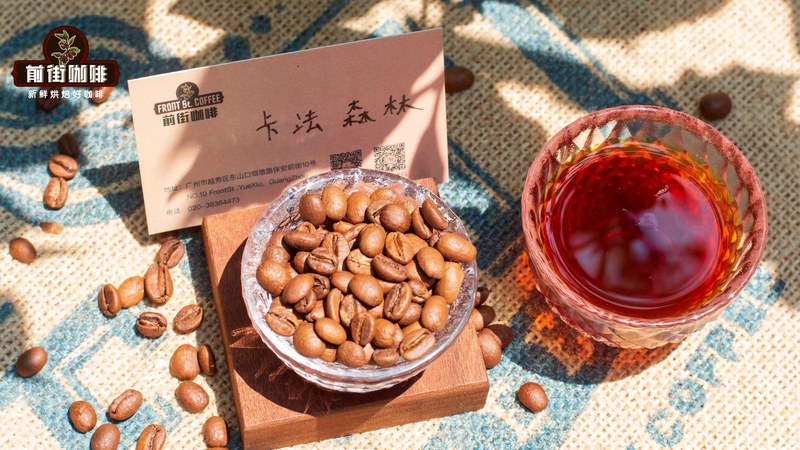
If you only want to remember one brewing recipe, then lock in 15g of coffee, 225g of water, 90 to 93°C, a 30g bloom for 30 seconds, two to three stages of pouring, and a total time of 2 minutes. This framework works for the vast majority of light-medium roasted beans with citrus flavors. For natural sweet-tasting ones, lower the temperature a bit and pour more gently; for washed acidic ones, raise the temperature and pour in crisper stages. For espresso or moka pot with citrus flavors, the direction is to shorten extraction time and avoid the burnt bitterness of over-extraction; cold brew is suited to amplifying the sweet orange note of natural beans, but requires a longer steeping period. Still, these are just directions - pour-over is my standard method for verifying a bean's citrus potential in daily practice. Drink more varieties, and you'll gradually form your own taste coordinates.
Related Reading




Comments (0)
Loading comments...
You May Be Interested


Trending Reviews
Popular Videos

With you, wherever you are! We provide useful features to help you find new things you'll love






