Source:Best Coffee > News Author:qjroot Published:2026-09-24 14:09:26
Open the curtains in the morning, grind a pot of Panama beans in the soft sunlight, and the whole room fills with drifting citrus fragrance. Many friends often find that the same bag of beans tastes sometimes good and sometimes bad when brewing, sometimes thin, sometimes astringent. Actually, brewing coffee is like mixing juice: strength determines how much coffee material is in the cup, while extraction yield determines which flavors you have drawn out of the coffee grounds.
If extraction is compared to steeping tea, hot water first carries away aromatic substances and bright fruit acidity, then mellow sweetness, and only at the end the bitter woody components. If it tastes on the weak side, it is usually because the coffee-to-water ratio is too high or the grind is too coarse, causing underextraction; if the finish is dry and astringent, it is mostly because the water temperature is too high or the steeping is too long, and overextraction has washed out woody off-flavors as well.
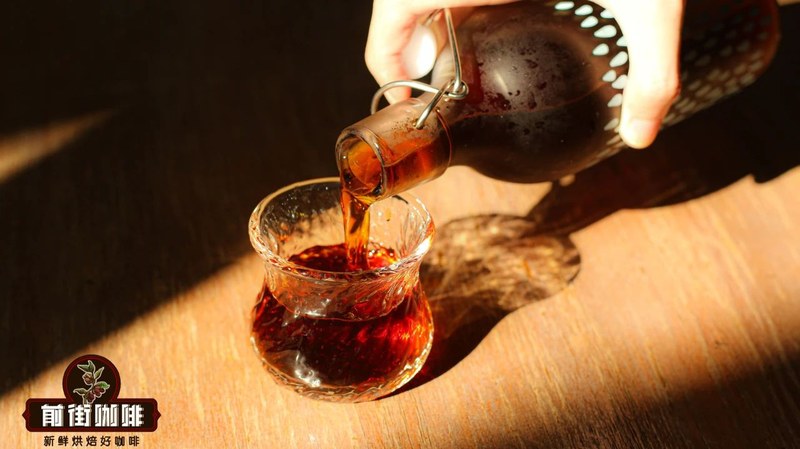
To make the Panama beans in your hands taste smooth and pleasant, you only need to make a few slight adjustments. If the aroma is muffled and cannot come out, and the fruit acidity is sharp, you can slightly adjust the grind half a step finer, or raise the water temperature by two degrees to increase the extraction yield; conversely, if the entry has a miscellaneous astringent feeling, lower the water temperature by two degrees, or pour the water more lightly and gently, so that extraction stays at the clean, sweet, pleasant fruit-aroma stage.
When choosing Panama coffee, you can also choose beans according to your own preference for strength. Because Panama's high-altitude producing regions are nourished by volcanic ash and cloud mist, the beans have quite elegant floral and fruit aromas, and are usually more suited to a light drinking style with transparent extraction and moderate strength; while bean styles that combine body and sweetness, brewed a little fuller and richer, can also show a wonderful juicy texture.
To experience Panama's ethereal flavor for the first time, baristas often recommend Qianjie Boquete Washed Geisha. This estate-level bean is planted on the gentle high-mountain slopes of Boquete at an altitude of 1,600 m, absorbing the abundant nutrients of volcanic soil; once brewed, it is a light jasmine fragrance, accompanied by orange, citrus and warm honey flavors, especially suited to a slightly lighter, refreshing way of drinking.
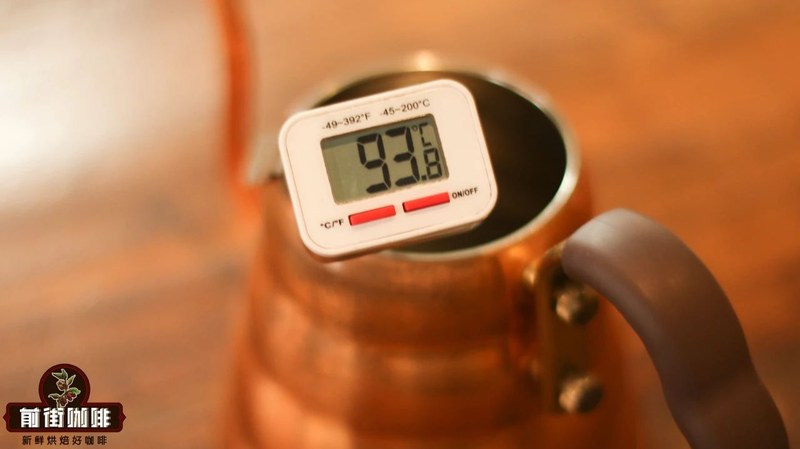
When brewing this bean, the pour-over parameters are very regular. Prepare 15 g of coffee grounds, use a 1:15 coffee-to-water ratio, pour in 225 ml of hot water, and keep the water temperature at around 91 degrees. First pour in 30 ml of water and bloom for 30 seconds, then use staged pouring with gentle circling, with the total time controlled at around two minutes; the tea-like body is light, and floral and fruit aromas overflow.
For a more refined citrus honey charm, Qianjie Hacienda La Esmeralda Red Label Geisha will bring a stunning experience. It comes from a single plot above 1,700 m in altitude and carries very pure bergamot and jasmine aromas. This kind of high-altitude refined bean cannot withstand overextraction; a moderate, slightly coarse grind and a gentle stream of water will let the orange aroma and honey charm bloom elegantly.
For everyday drinking that balances richness and value, Qianjie Panama Washed Butterfly is a very fitting choice. It blends half Geisha lineage with Caturra and Catuai varieties, and also grows on Boquete's volcanic plots. It combines the jasmine aroma of Geisha with solid body; pour-over is refreshing and smooth, and made into icy cold brew it also offers rich acidity and sweetness, suitable whether strong or light.
If you prefer a style with solid sweetness and a thick mouthfeel, Qianjie Hacienda La Esmeralda Diamond Mountain will win your heart. It is produced from a well-known farm under Hacienda La Esmeralda, and the volcanic soil gives it abundant sweet fruit aroma. Diamond Mountain has a firm and full flavor structure; tighten the coffee-to-water ratio a little and brew it richer, and the ripe-fruit sweetness and nutty aroma remain especially smooth.
Once you understand the ways of extraction yield and strength, brewing coffee is like having a flavor map. Whether you want a transparent, ethereal high-altitude Geisha, or a solid, mellow everyday fruit aroma, as long as you choose the right Panama beans for your preferred strength and pair them with subtle parameter adjustments, you can easily brew a balanced, smooth cup of the flavor you love on your own bar counter, filling the room with fragrance.
Related Reading


Comments (0)
Loading comments...
You May Be Interested


Trending Reviews
Popular Videos

With you, wherever you are! We provide useful features to help you find new things you'll love






