Source:Best Coffee > News Author:qjroot Published:2024-07-20 17:27:28
Honduras
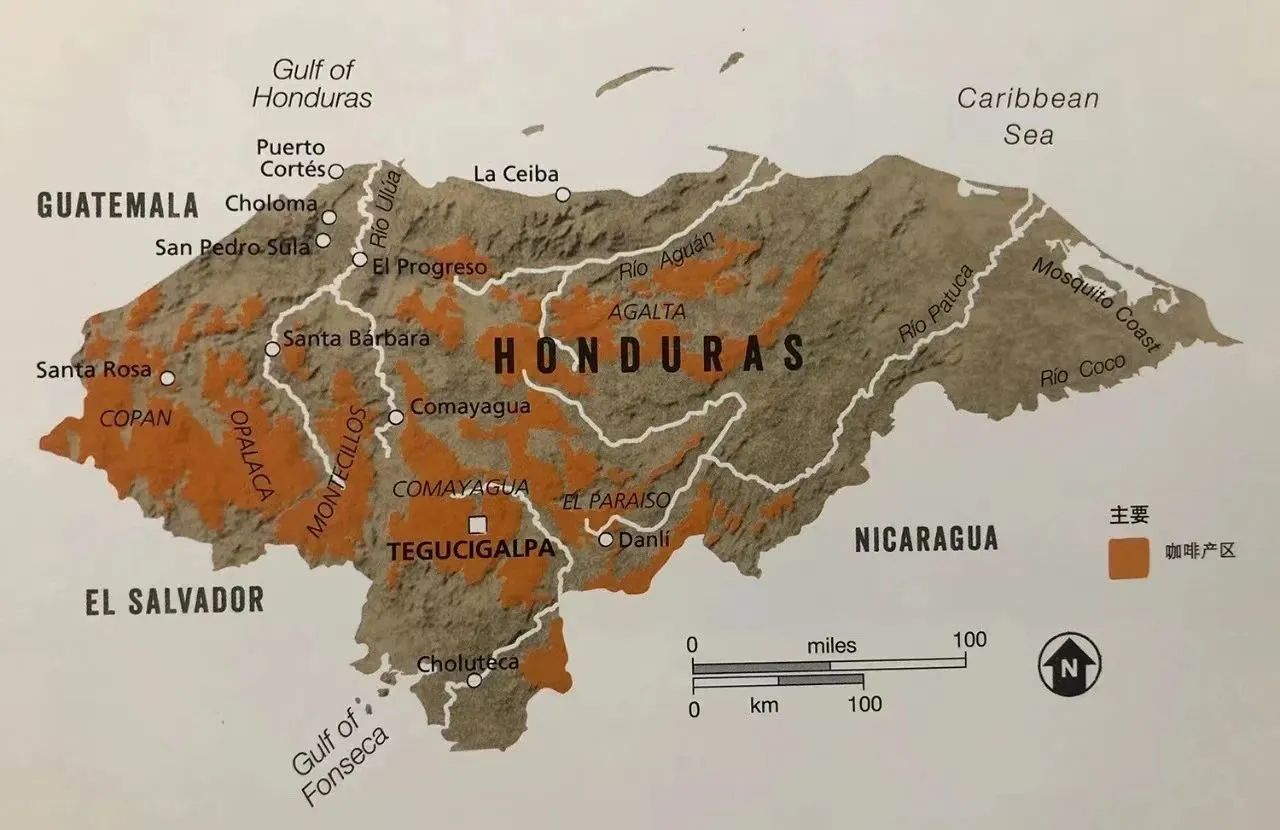
The full name of Honduras is the Republic of Honduras. The country is located in the northern part of Central America, bordering the Caribbean Sea to the north and the Gulf of Fonseca of the Pacific Ocean to the south. It also shares borders with Nicaragua, El Salvador, and Guatemala, covering a land area of 112,500 square kilometers and divided into 18 departments.
 "https://v3.coffeecdn.cn/uploadfile/202404/e3f73266cd939f7.png" alt="image" style="margin: 0px; padding: 0px; outline: 0px; vertical-align: bottom; box-sizing: border-box !important; overflow-wrap: break-word !important; height: auto !important; width: 677px !important; visibility: visible !important;"/>
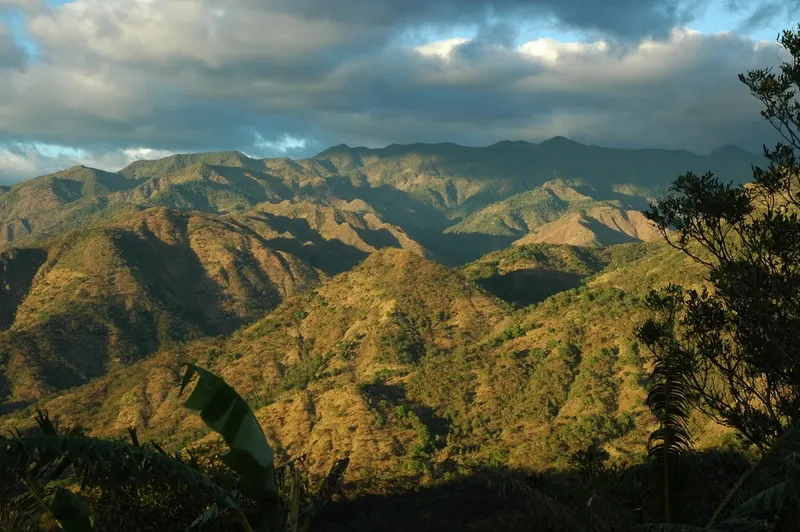
Over three-quarters of Honduras is covered by mountains and highlands, with mountain ranges extending from west to east. The inland area consists of a volcanic plateau with numerous valleys, while the coastal regions are plains. Forests cover about half of the country’s land area. Honduras has a tropical climate; the coastal plains have a tropical rainforest climate with an average annual temperature of 23°C and abundant rainfall. The northern coastal zone and mountainous areas receive as much as 3,000 mm of rain annually, but between May and July, waterspouts sometimes form over parts of the sea, lifting fish into the air and then dropping them onto land, creating the curious phenomenon known as “fish rain.”
Honduras is one of the least developed countries in Latin America, with agriculture as the dominant sector of the national economy and a relatively weak industrial base. Coffee is the main agricultural product. There are 280,000 hectares of coffee farms in the country, mostly operated by small-scale producers with farms smaller than 3.5 hectares. These smallholders account for 60% of the nation’s coffee production. Honduras has now become the second-largest coffee exporter in Central America and the tenth largest in the world.
Coffee Growing Regions
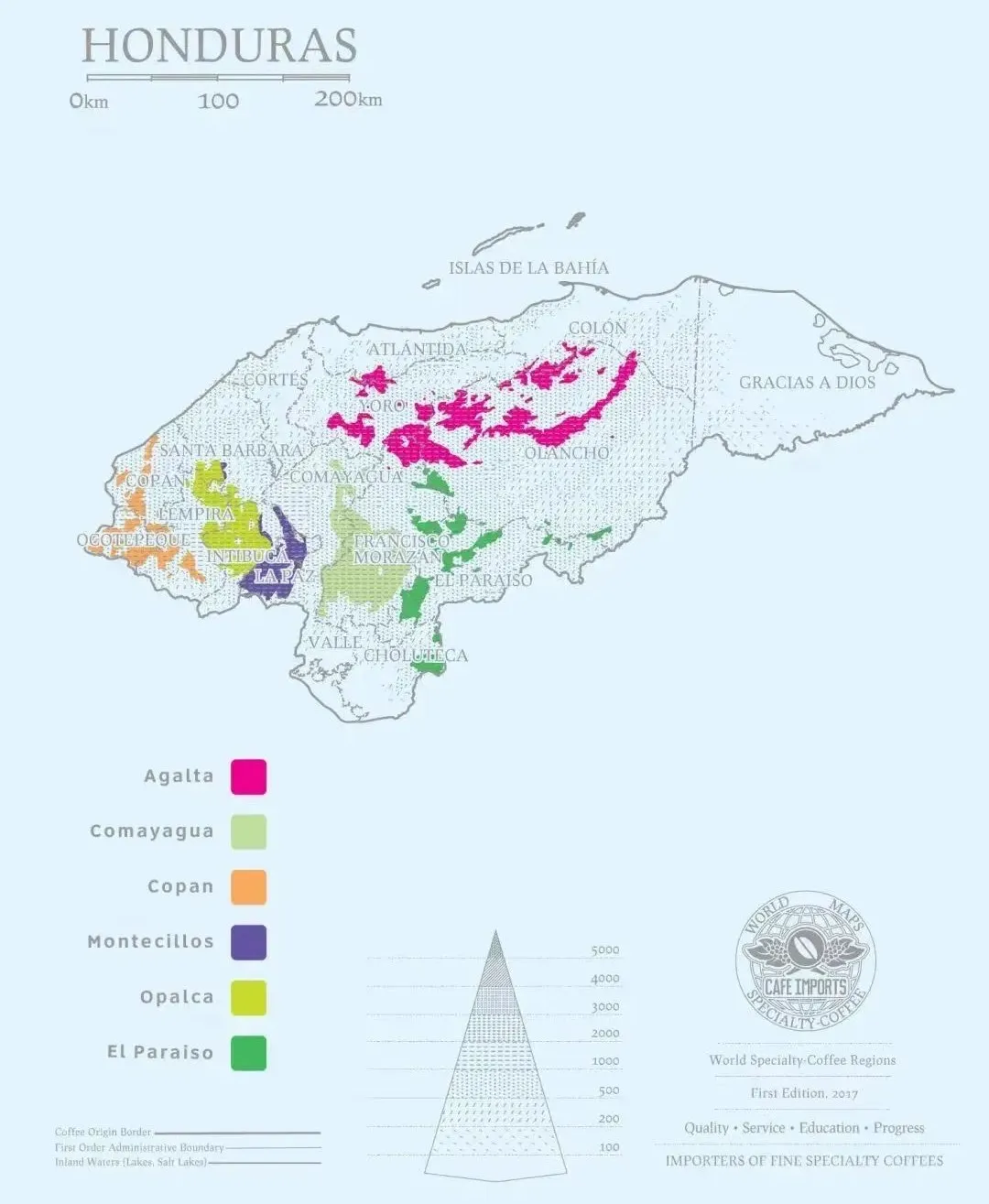
In 1970, the Honduran government established the Instituto Hondureño del Café (IHCAFE) to help improve the cultivation techniques of local coffee farmers, enhance coffee quality, and define six main coffee-growing regions: Copán, Opalaca, Montecillos, Comayagua, Agalta Tropical, and El Paraíso. These regions are situated at an average altitude of over 1,100 meters, with the harvest season running from November to March each year.
 "https://v3.coffeecdn.cn/uploadfile/202404/e50606738026536.jpg" alt="image" style="margin: 0px; padding: 0px; outline: 0px; vertical-align: bottom; box-sizing: border-box !important; overflow-wrap: break-word !important; height: auto !important; width: 677px !important; visibility: visible !important;"/>
Montecillos: Located between the departments of La Paz, Comayagua, Santa Bárbara, and Intibucá, this region produces coffee with intense fruit and sweet aromas, complemented by lemon and floral notes. Lemon and fruity fragrances are its defining characteristics, especially notes of peach and orange. The acidity is bright and vibrant, with a velvety mouthfeel and a long-lasting finish. The altitude ranges from 1,200 to 1,700 meters, with annual rainfall between 1,300 and 2,300 mm. The harvest season is from December to April. The main coffee varieties grown here are Bourbon, Catuai, Lempira, and Pacas.
Comayagua: Situated between the departments of Comayagua and Francisco Morazán, this region is characterized by prominent lemon flavors, distinct sweet fruit aromas, and a creamy, rich mouthfeel. It also features citrus sweetness along with notes of chocolate. The altitude ranges from 1,100 to 1,700 meters, with annual rainfall between 1,350 and 1,700 mm. The main coffee varieties are Bourbon, Typica, Caturra, and Lempira.
Agaleta Tropical: This region spans parts of Olancho, El Paraíso, and Francisco Morazán departments, primarily in the eastern part of the country. It is the most dispersed region, consisting of 14 protected areas aimed at increasing plant diversity to balance the ecosystem, and holds significant potential for ecotourism. The coffee features honey-like aromas and fragrances, with a strong citrus note, subtle yet distinct acidity, and a pleasant aftertaste. The altitude ranges from 1,100 to 1,700 meters, with annual rainfall between 1,350 and 1,950 mm. The main varieties grown are Bourbon, Typica, Caturra, and Lempira.
El Paraíso: Located in southern Honduras, this region covers areas across the departments of El Paraíso, Choluteca, and Olancho. The coffee is known for its gentle fruity acidity, caramel aromas, and balanced flavor profile. The altitude is 1,100–1,700 meters, with annual rainfall of 950–1,950 mm. The main coffee varieties are Catuai, Caturra, Pacas, and Lempira.
Flavor Characteristics of Honduran Coffee
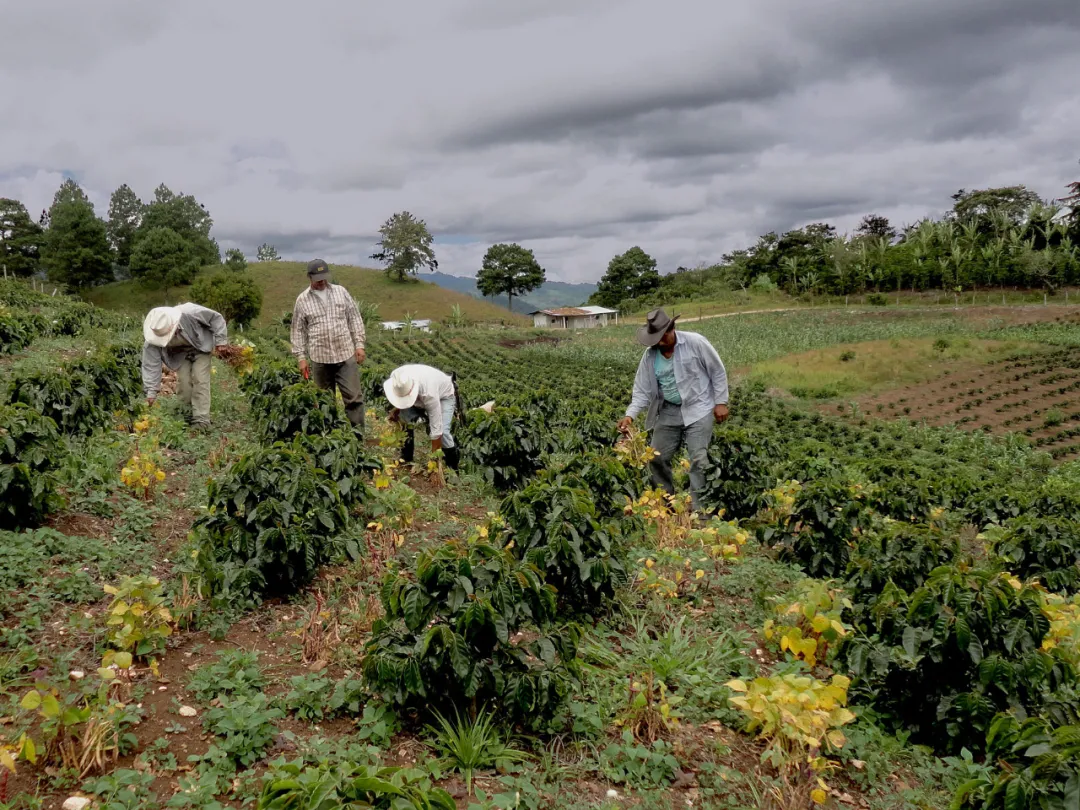
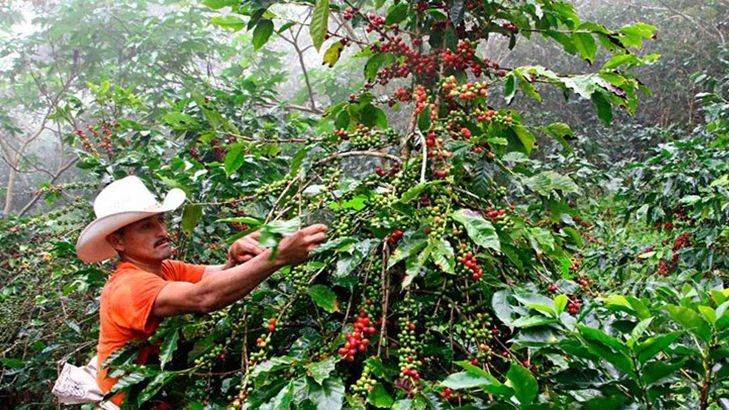
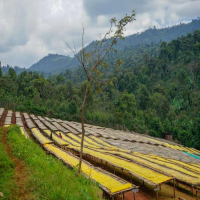
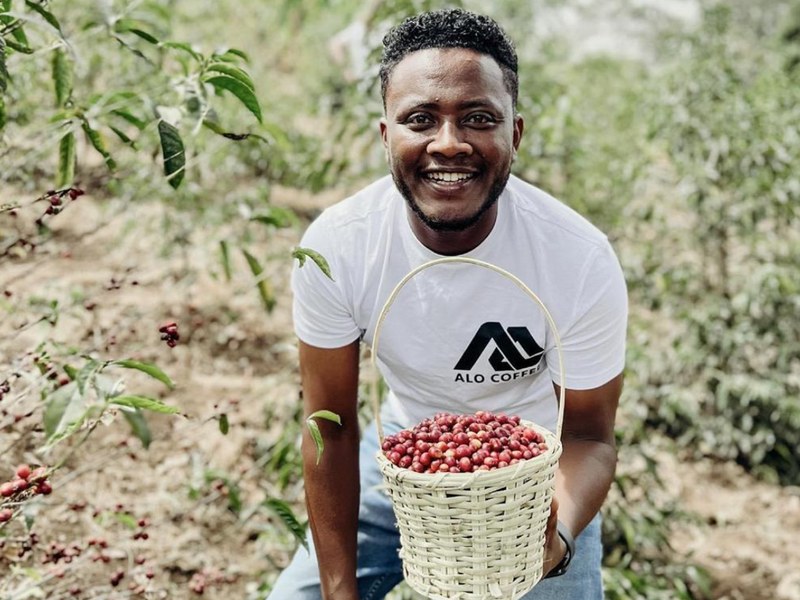
Currently, Honduras has approximately 280,000 hectares of coffee plantations, most of which are managed by smallholder farmers with farms under 3.5 hectares, accounting for around 60% of the country’s total coffee output. Due to geographical constraints and relatively underdeveloped living conditions, coffee harvesting in Honduras is still predominantly done by hand.
 "https://v3.coffeecdn.cn/uploadfile/ueditor/image/202407/1721467553b53d40.jpg"
Traditionally, most Honduran coffee has been processed using the washed method. Nowadays, however, farmers are beginning to experiment with natural, honey, and other novel special processing methods in an effort to alter the overall flavor profile of green coffee beans. With the diversification of post-harvest processing methods for green coffee, Honduran coffee has gradually entered the view of coffee enthusiasts around the world, and flavor notes such as nuts, vanilla, cream, chocolate, and spices have become increasingly distinct.
When it comes to the flavor of Honduran coffee, many enthusiasts, like us at Front Street, probably first think of that cup of sherry coffee filled with the aroma of whiskey and vanilla. Whether it’s the fermented wine-like scent or the smooth mouthfeel, it evokes the sweet and mellow taste of sherry.
Related Reading

Comments (0)
Loading comments...
You May Be Interested

Trending Reviews
Popular Videos

With you, wherever you are! We provide useful features to help you find new things you'll love






