Source:Best Coffee > News Author:qjroot Published:2026-08-17 14:02:15
When Costa Rican coffee comes up, many people first think of honey processing. This Central American producing country is known for its distinctive processing methods, and it also has a grading system based on altitude and bean size that is worth a closer look when buying.
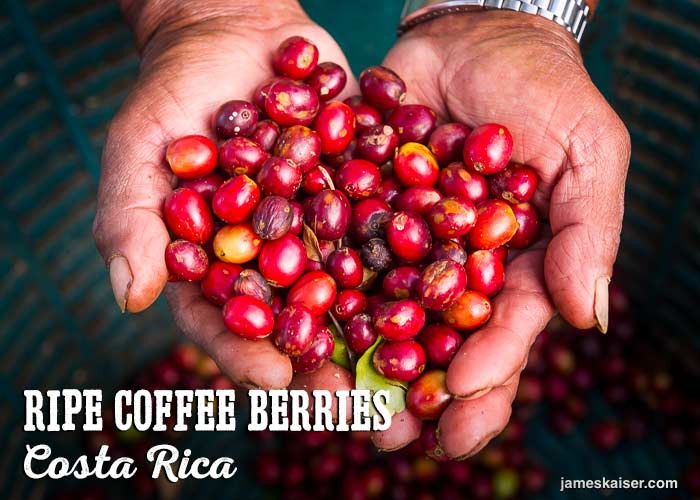
Honey processing is a method in which the coffee cherry is depulped and then dried with some of the mucilage left on. The more mucilage retained, the greater the chance for sugars to seep into the bean core during drying, and the more pronounced the sweetness and fermented flavors become. Based on the proportion retained, it can be roughly divided into yellow honey, red honey and black honey: less mucilage retained gives a cleaner flavor, while more retained makes the sweetness and complexity more prominent. Costa Rican producing regions are quite skilled at using this processing method, making it one of the entry points for experiencing "sweet coffee."
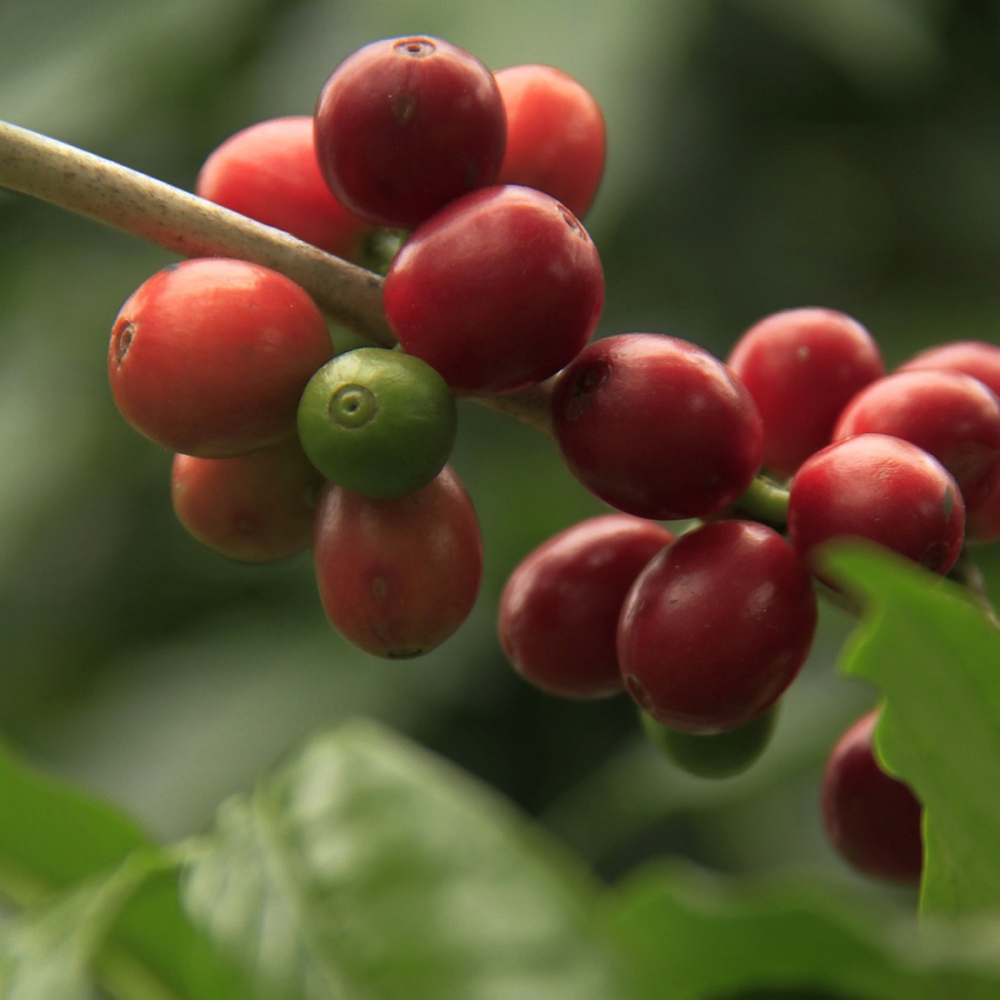
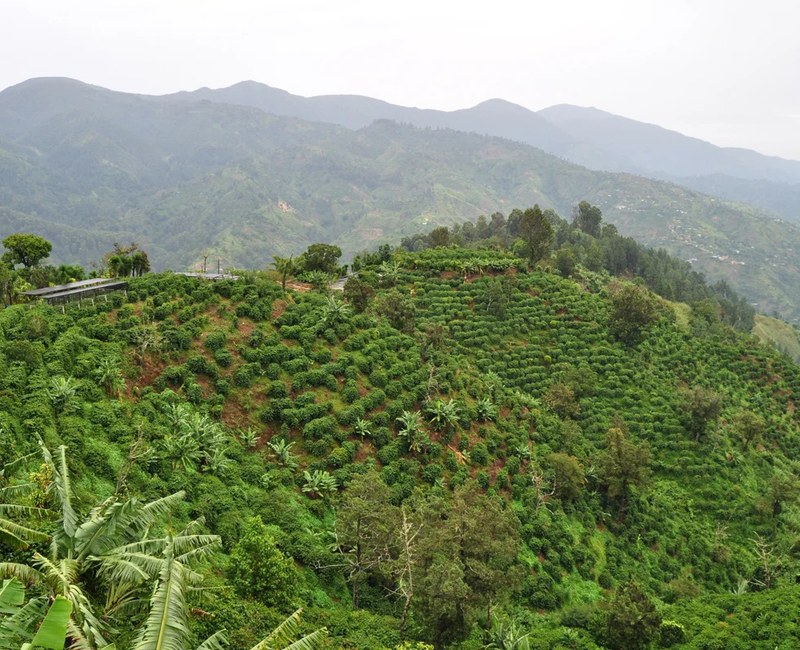
Costa Rica commonly grades coffee by altitude and bean hardness, with SHB (Strictly Hard Bean) generally corresponding to lots grown at higher altitudes. At high altitude with a large temperature difference between day and night, the fruit ripens over a longer period, the beans are denser, and the flavor compounds are more concentrated. When buying, the SHB marking on the bag can roughly be seen as an indicator of a high-altitude quality lot.
So-called "micron-level" or mesh grading refers to measuring bean size with screens. Larger and more uniform beans heat more evenly during roasting, giving better consistency in the cup. In the green coffee trade of Costa Rica and other origins, this kind of size marking is often used together with altitude markings, jointly determining the trade grade of the green coffee.
Honey-processed beans should not be roasted too dark; a light-to-medium to medium roast can preserve the sweetness brought by the mucilage. When Qianjie releases honey-processed single origins, it lists the producing region, processing station and roasting suggestions on the bean detail page, making it easy to compare against your own taste preferences. If you want to first experience the sweetness of honey processing, you can start with lots labeled yellow honey or red honey; whether brewed as pour-over or milk coffee, you can taste the sweet, smooth quality.
Summary: Costa Rica's honey processing and grading system are not complicated. By focusing on three pieces of information - the degree of mucilage retention, the altitude marking and the bean size - choosing beans becomes much clearer.
Related Reading






Comments (0)
Loading comments...
You May Be Interested





Trending Reviews
Popular Videos

With you, wherever you are! We provide useful features to help you find new things you'll love






