Source:Best Coffee > News Author:qjroot Published:2024-12-05 16:59:35
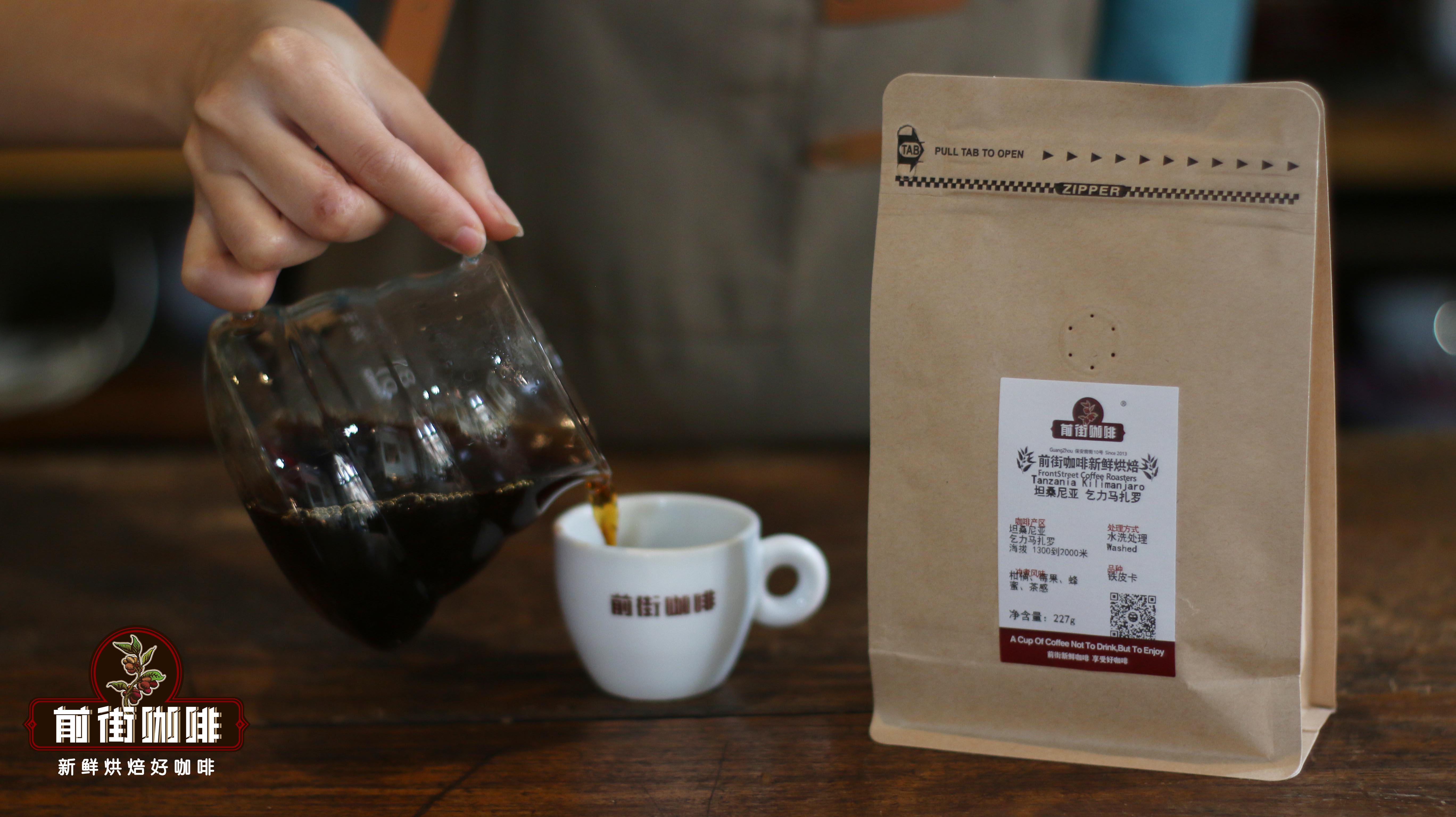
In Africa there are quite a few coffee-producing countries. At present, Ethiopia and Kenya are relatively better known in the global market, but in recent years Tanzania has gradually emerged. Thanks to this country's abundant natural resources, it can produce high-quality coffee and has become one of the three giants of African coffee. The Kilimanjaro coffee on Qianjie's bean shelf is from Tanzania.
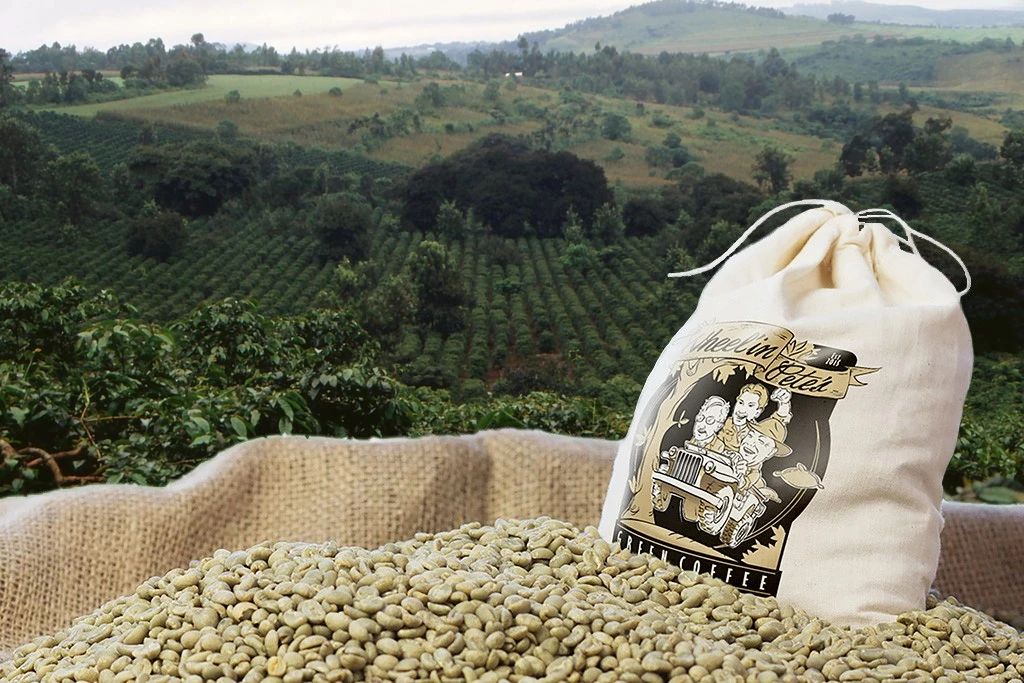
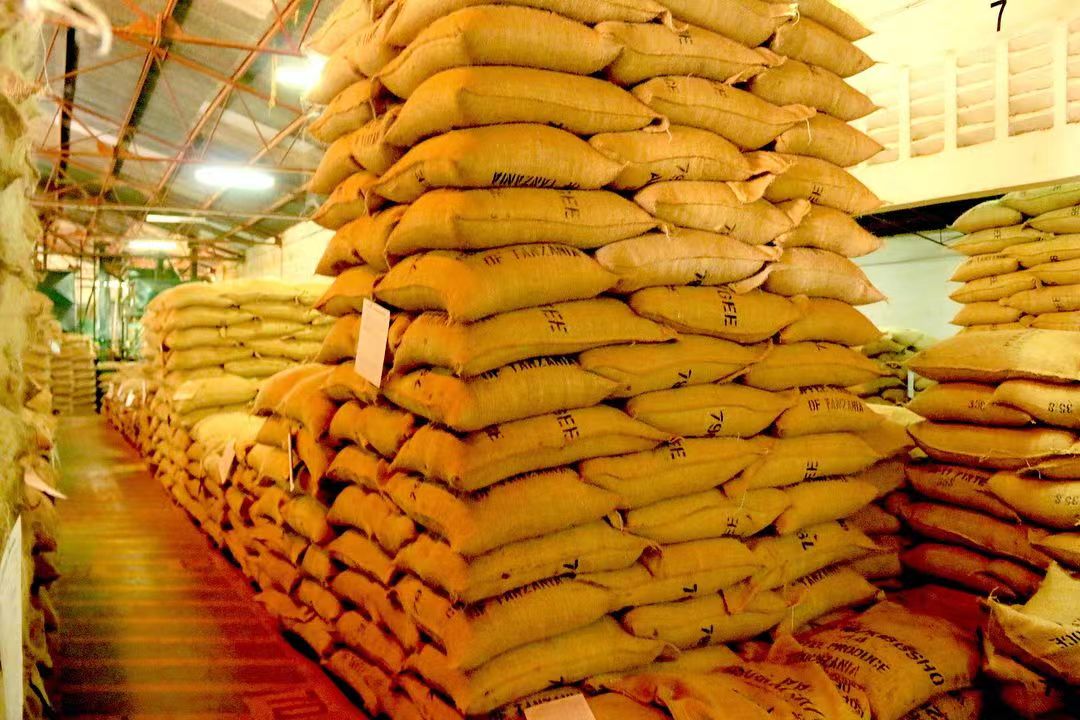
I wonder if you have noticed that when buying Tanzanian coffee beans, most of the beans have words such as "AA" and "AB" on them. What do these "AA" and "AB" mean? In fact, Tanzania grows both Arabica and Robusta coffee, and these English terms such as "AA" refer to the grading of Tanzanian Arabica coffee beans. Although this grading is the same as Kenyan coffee bean grading in that both use the British imperial grading method, there are still certain differences between the two.
According to Tanzania's official grading, this method assumes that the larger the size, the better the coffee quality. According to the screen size of the coffee beans, they are divided into different grades such as AAA, AA, A, B, PB, C, E, F, AF and TT.
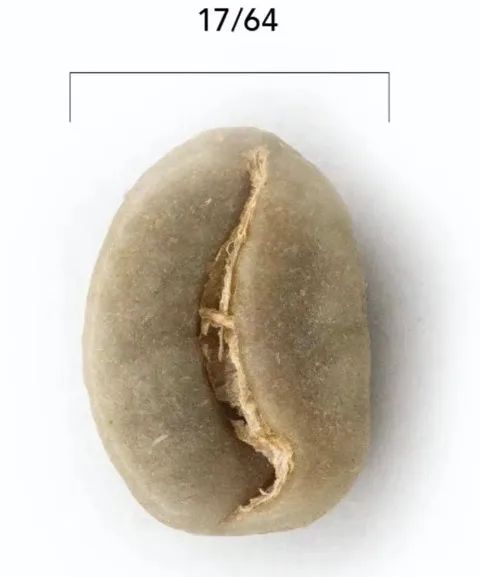
Grade AAA green coffee beans are above 19 screen size, but coffee beans of this screen size are produced in very small quantities and are relatively rare.
Grade AA green coffee beans are 17-18 screen size. Beans of 18 screen size must account for more than 90%, beans of 17 screen size must account for more than 8%, and all green beans must be 15 screen size or above.
Grade AF green coffee beans are 14-17 screen size. Beans of 17 screen size must account for more than 90%, beans of 15 to 16 screen size must account for more than 8%, and all green beans must be 14 screen size or above.
Grade A green coffee beans are 14-15 screen size. Beans of 15 screen size must account for more than 98%, and all green beans must be 14 screen size or above.
B-grade green coffee beans are 14-15 screen size. Beans of 15 screen size must account for more than 90%, and all green beans must be 14 screen size or above.
PB refers to round green beans. The coffee fruit contains only one round bean instead of the usual two flat beans. Beans of 14 screen size must account for more than 95%, and floating beans are allowed but must not exceed 5%.
Grade C green coffee beans are mainly 14 screen size, and beans of 14 screen size must account for more than 90%.
Grade E green coffee beans are fully named Elephant, also known as elephant beans. These beans are similar to round beans and are abnormally developed special coffee beans. This kind of bean is formed by two coffee beans becoming intertwined during development, forming what looks like one very large coffee bean. More than 90% of the green coffee beans need to be 18 screen size, and the remaining 10% need to be between 15 and 18 screen size.
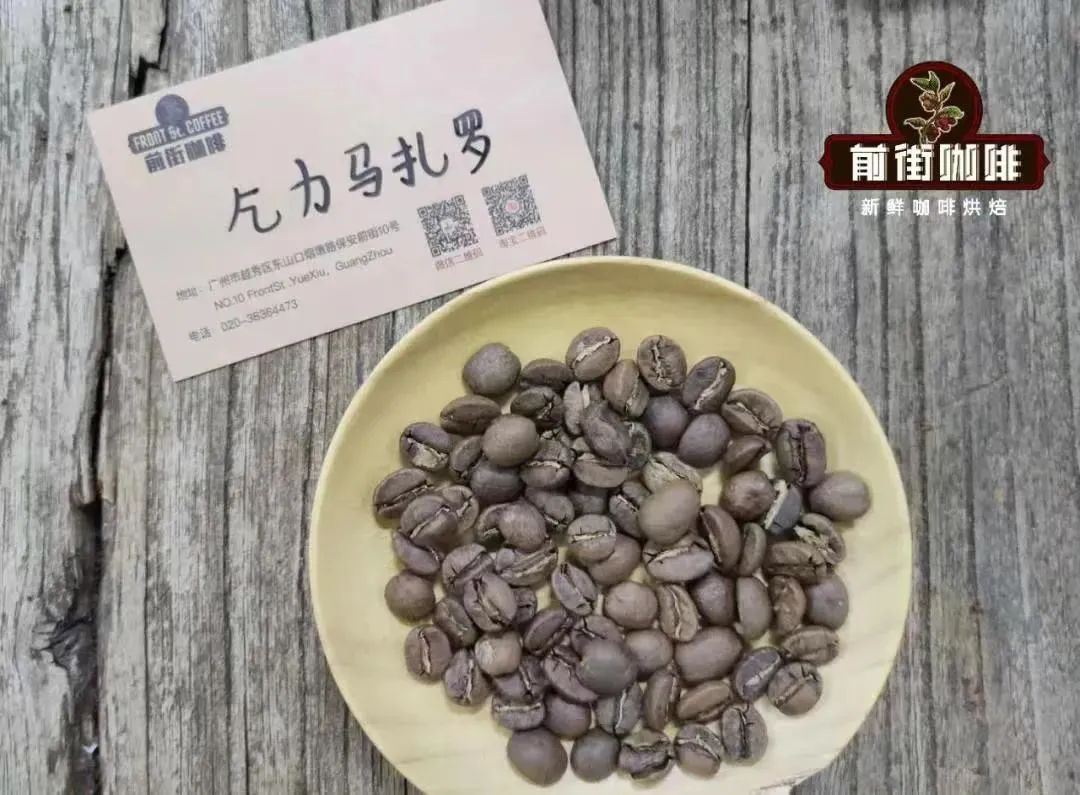
Grade TT green coffee beans are 14-16 screen size. Beans of 15 to 16 screen size must account for at least 90%, and beans of 14 screen size may account for at most 10%.
F refers to defective beans obtained from screening other grades of green beans.
At present, the most common ones domestically are "AA" and "AB", but in fact there is no "AB" grade officially in Tanzania. Because the regulations for the two grades are very similar, this grade is actually a mixed product of grade A and grade B, and its specific screen size requirement is based on no less than grade B.
In addition, the Coffee Board of Tanzania originally designed a grading system that took into account the screen size, defects and cup quality of Arabica beans to divide them into 17 grades; for example, coffee falling within the range of grades 4-6 was standardised as the "FAQ" grade. However, for various reasons it lacked practical application and was not rigorous, so most Tanzanian coffee beans seen on the market today are still graded by the conventional size classification.
To learn more about coffee origins, please scan the QR code to follow: Kaping
Long-press the QR code to follow:

Related Reading
Comments (0)
Loading comments...
You May Be Interested

Trending Reviews
Popular Videos

With you, wherever you are! We provide useful features to help you find new things you'll love






