Source:Best Coffee > News Author:Best Coffee Published:2024-07-09 17:13:32
What kind of coffee can you brew with a French press?
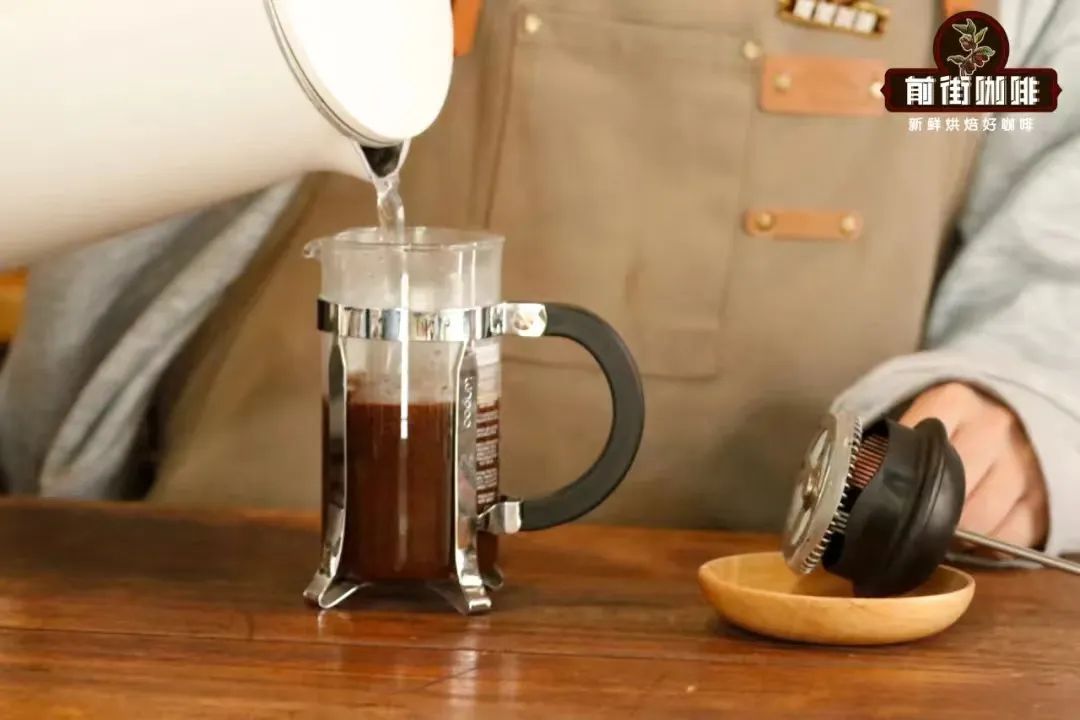
The French press is a full immersion brewing device with a metal filter. This gives the brewed coffee a distinctive characteristic: because the water and coffee grounds are directly immersed together, the resulting coffee has richer oils, leading to a fuller and heavier mouthfeel. For those who dislike the texture of coffee grounds or fine particles, the French press may not be suitable for you.

When brewing with a French press, you can control several variables (such as water temperature, grind size, and brew time) to refine your method according to personal preference. Most importantly, if you brew correctly, you can expect to enjoy the aroma and flavors of each coffee you make.
How to brew coffee with a French press?
Before brewing coffee, there are several important variables to consider
1. Grind Size
No matter what grind size you use to grind your coffee, always use a high-quality flat or conical burr grinder, not a blade grinder, and be aware that this brewing method can easily lead to over-extraction. So what is the right grind size?
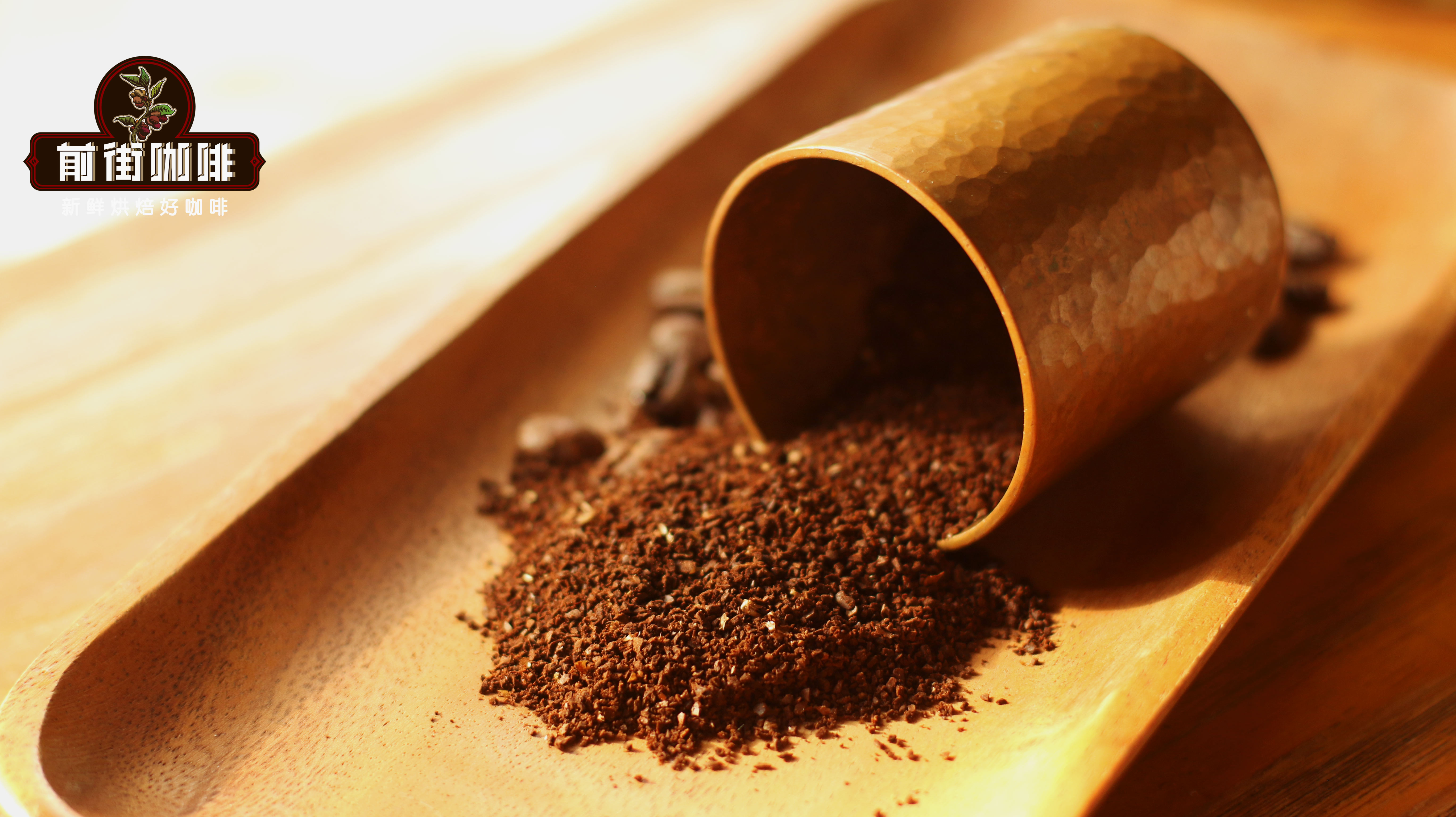
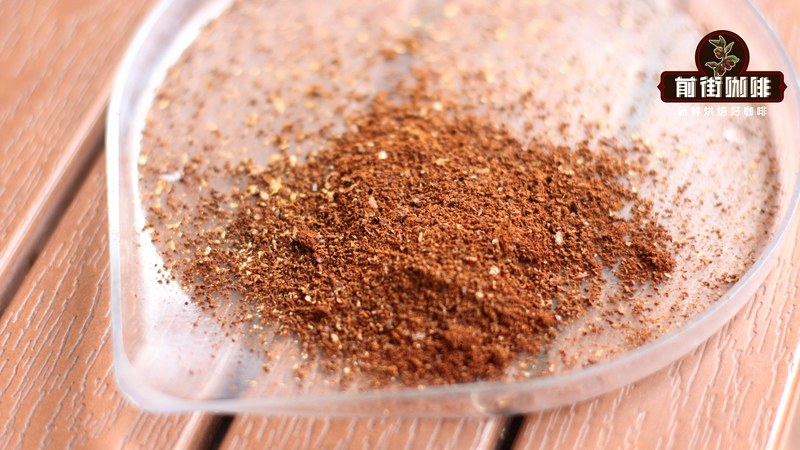
Here, it is recommended to use a coarser grind, similar to small gravel rather than fine sand. Grinding too fine may cause the water to extract coffee too quickly. This might not be an issue for other immersion brewing devices, but if you grind too fine for a French press, fine particles may pass through the metal filter, resulting in a lot of sediment in your coffee.
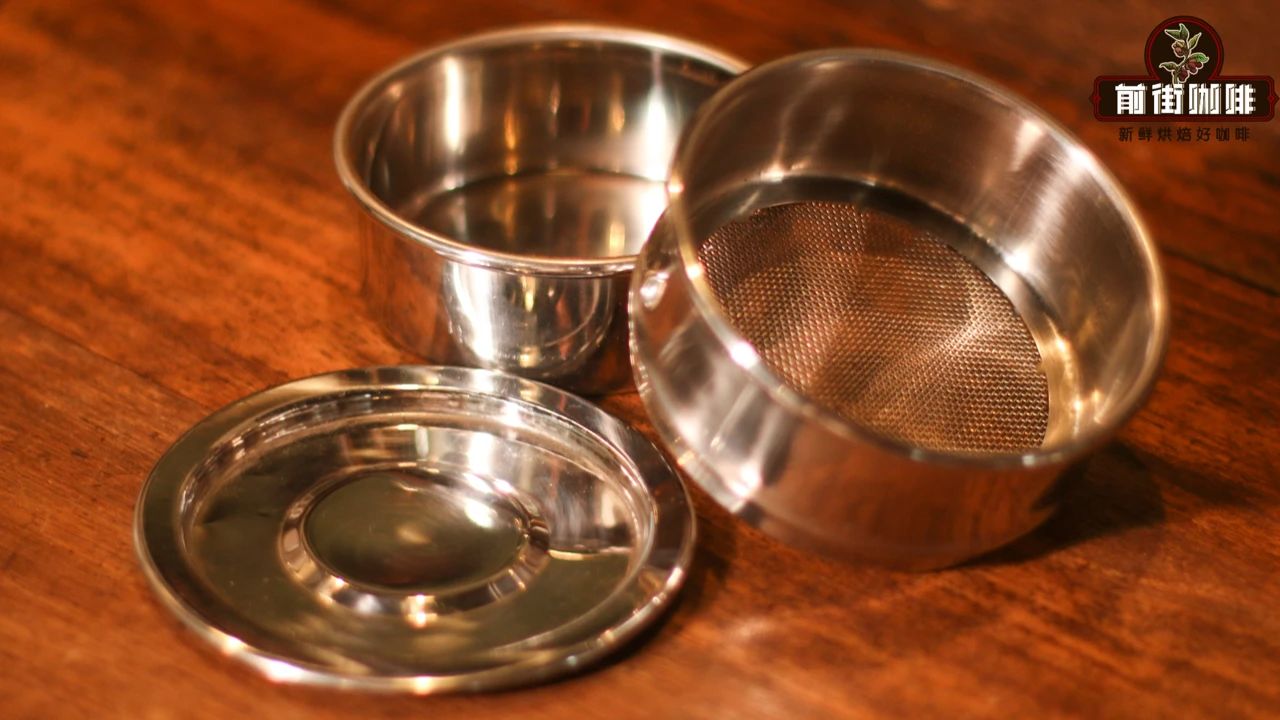
Typically, when you look at French press tutorials, they often recommend a coarse grind. At Best Coffee, we suggest choosing a grind size where 70% passes through a Chinese No. 20 standard sieve—that’s about the size of coarse sugar. A coarse grind not only increases the margin for error during extraction but also reduces the amount of extremely fine particles produced by grinding. The metal filter of a French press is generally between 80-300 microns, with visibly large holes, so fine particles can easily pass through and make the coffee cloudy. Of course, if you’re aiming for more layered flavors, you can use a finer grind—but remember to reduce the steeping time accordingly to avoid over-extraction.
2. Coffee Dosage and Coffee-to-Water Ratio
The coffee-to-water ratio is a simple formula—how much water to use for how much coffee. A common ratio is 1:15 (for example, 15 grams of coffee to 225 grams of water). You can start with this ratio and adjust the amount of coffee or water in future brews based on your preference until you find your favorite. The coffee brewed with this ratio will have a concentration in the range of 1.1~1.2%. If you, like Best Coffee, prefer stronger coffee, then try the 1:15 ratio—the resulting coffee will taste richer and more full-bodied.
3. Water Temperature
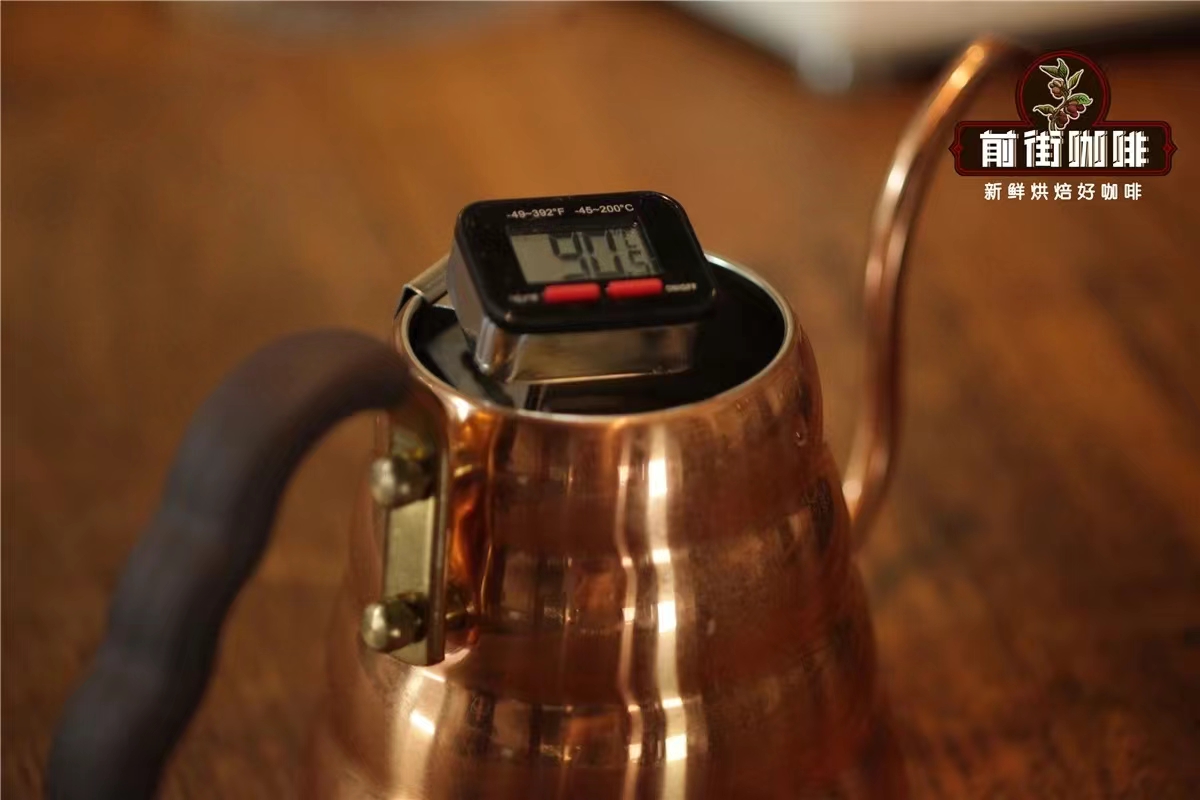
Water temperature is another variable you can experiment with to influence coffee flavor. If you don’t have a thermometer, let boiled water sit for 45 seconds (adjust based on room temperature), which will bring it to around 90°C. If you want to control the flavor of your coffee more precisely, it’s recommended to use a gooseneck kettle with temperature control or a thermometer.
Because the French press involves pouring all the water at once and there’s no stirring during the immersion process to increase extraction, we sometimes need to slightly increase the water temperature to compensate. Just 1–2°C higher than the usual pour-over temperature is enough. For medium to light roasted beans, we recommend a water temperature of 92–94°C; for medium to dark roasted beans, 89–90°C is sufficient.
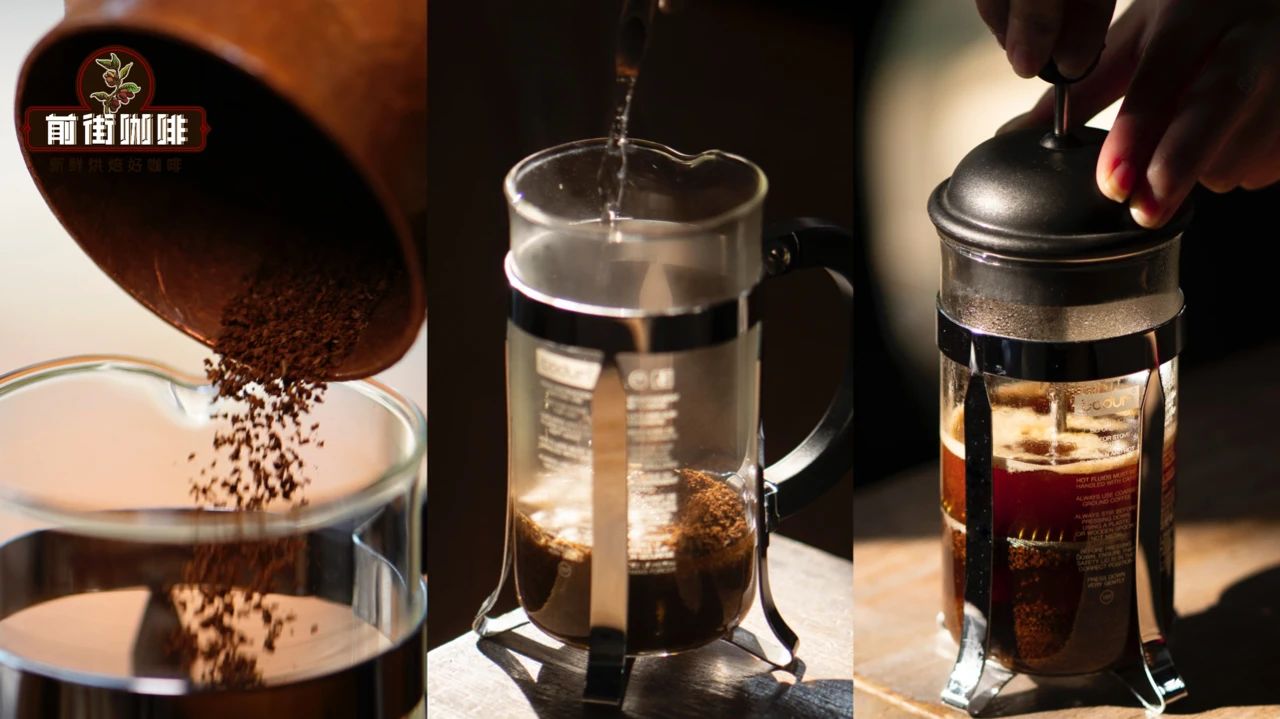
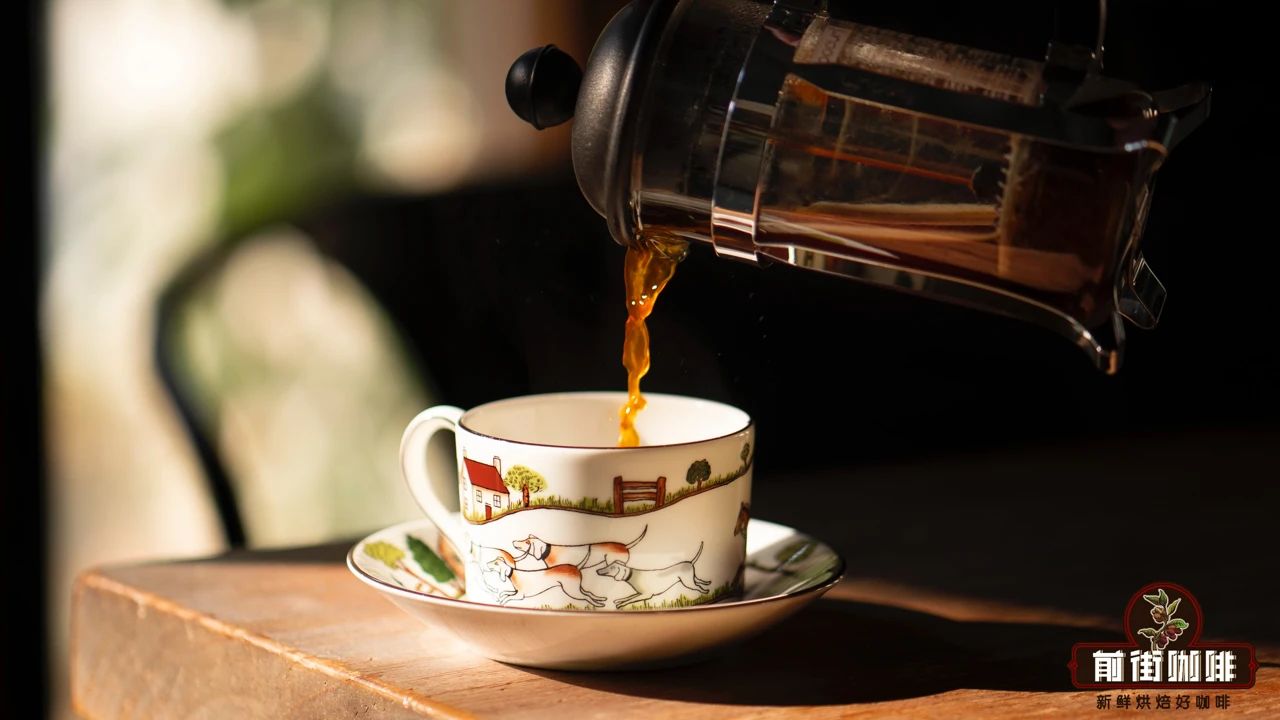
4. Brew Time Since there’s no manual stirring, extracting the substances in the coffee requires improving extraction through other means, and steeping time is another key factor to adjust. The typical brew time falls between 3 to 5 minutes. For darker roasts, 5 minutes might be too long and lead to bitterness and astringency; for lighter roasts, 3 minutes might be too short to fully develop the flavors. Therefore, Best Coffee recommends starting with a 4-minute steeping time. 5. Brewing Process Place the ground coffee into the preheated French press, then slowly pour hot water, ensuring all the coffee grounds are saturated. Start by using about twice the amount of water as coffee to pre-wet and bloom the grounds (for example, use 30 grams of water for 15 grams of coffee). At the 30-second mark, gently stir a few times, then pour in the remaining water and place the plunger on top—but don’t press it down yet. Let the coffee steep for 4 minutes, then slowly press the plunger to the bottom and carefully pour out the coffee, avoiding disturbing the grounds at the bottom of the pot. -If the plunger is hard to press down, it means the coffee is ground too fine; if the coffee grounds rise and the plunger moves too easily, it means the grind is too coarse. French Press Brewing Tips -Pour out the coffee immediately after brewing. If you don’t drink it right away, the coffee grounds will continue to interact with the water, leading to bitter flavors. If you’re not drinking it all at once, it’s best to transfer it to another container. -Make sure the French press is thoroughly cleaned. Even fresh coffee can have its flavor ruined by leftover grounds in the filter. Most filters should be easy to clean. -If the coffee you brew consistently doesn’t satisfy your palate, try adjusting all the variables. Brewing coffee should be fun and experimental. Once you brew your favorite cup, you’ll definitely be more motivated to explore brewing techniques further! 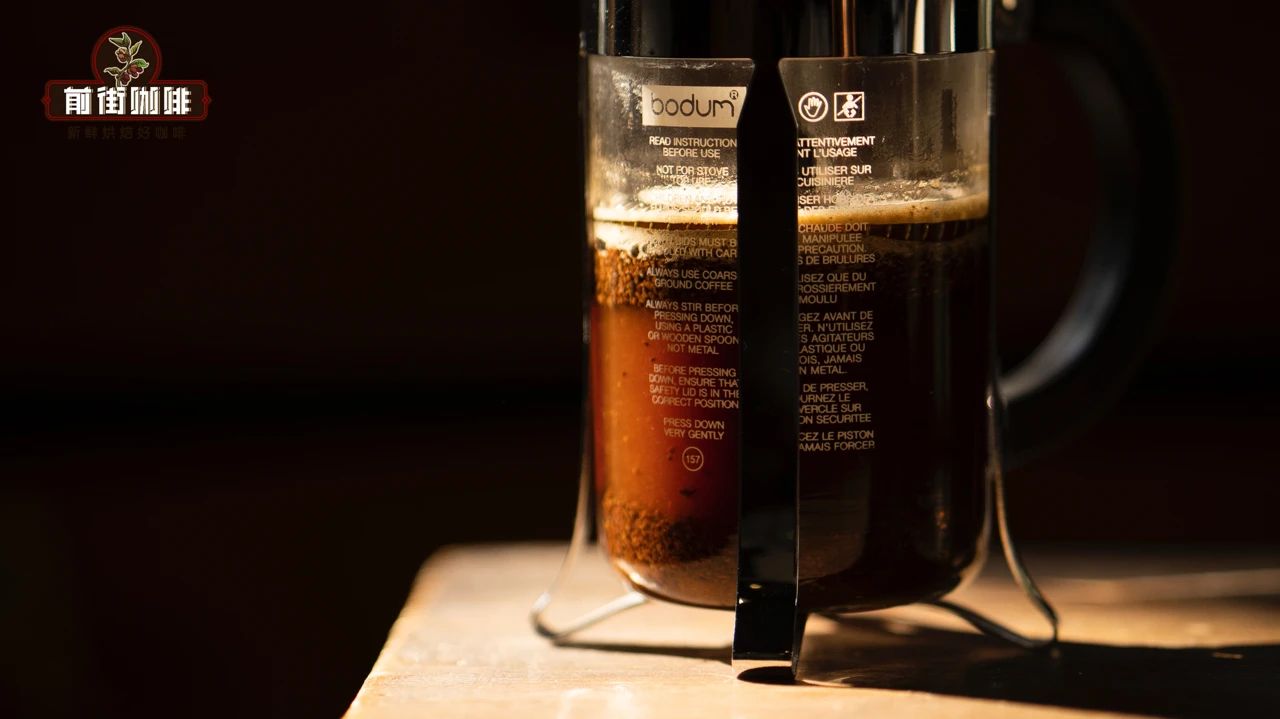
Related Reading


Comments (0)
Loading comments...
You May Be Interested

Trending Reviews
Popular Videos

With you, wherever you are! We provide useful features to help you find new things you'll love






