Source:Best Coffee > News Author:qjroot Published:2026-09-03 18:38:47
The expression of floral and fruity coffee beans is often hidden in the brewing parameters. With the same bag of beans, a higher water temperature may turn it into a jam-like richness; a coarser grind makes it more like a fresh juice. When choosing, besides looking at the origin and processing method, also think clearly about what kind of flow, temperature and extraction time your home equipment can provide, and then let the bean's aroma find a suitable outlet.
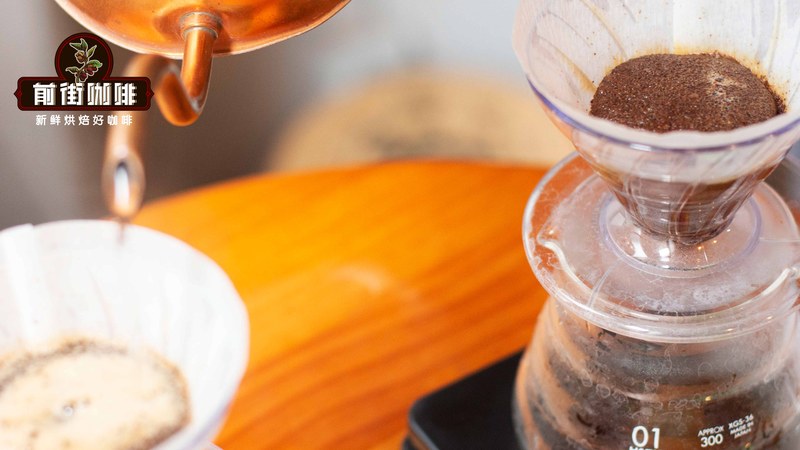
Pour-over is a direct way to observe floral and fruity aromas, but the parameters do not need to be complicated from the start. Light-roasted beans can start with a medium-fine grind, higher water temperature and a somewhat fast flow rate, letting the aroma release early; if the entry only has a sharp acidity, then grind slightly finer, or increase the total contact time a little. If the finish appears dry and astringent, then reduce agitation, avoiding the coffee bed being washed by hot water for a long time.
The coffee-to-water ratio will change the strength and outline of the flavor. When using 15 g of coffee grounds, you can place the water amount between 240 and 260 g; if you want to drink a clear floral aroma, use more water, and if you prefer a juicy feel, reduce the water amount. After the concentration decreases, the aroma will appear more relaxed; when the concentration increases, the sweetness and acidity are more concentrated, suitable for pairing with breakfast or drinking with ice.
Water temperature is an important adjustment knob for floral and fruity beans. A lower temperature can make the acidity softer and the mouthfeel lighter, but the aroma may not open enough; a higher temperature helps extract the floral aroma and fruity sweetness in light-roasted beans, yet it needs to be paired with a suitable grind to avoid bitterness rising along with it. You can start trying from 90 to 93 °C, then adjust based on whether the entry is hollow and thin or dry.
A conical dripper concentrates the flow, suitable for using a finer grind and staged pouring to highlight the rising feel of the aroma; a flat-bottom dripper has a more even coffee bed, and the flow changes are relatively gentle, making it easy to get a cup with sweetness. If you usually prefer clear aromas like jasmine and citrus, you can choose a dripper with a faster flow rate; if you like the full feel of berries and jam, you can use a slower flow rate with moderate agitation.
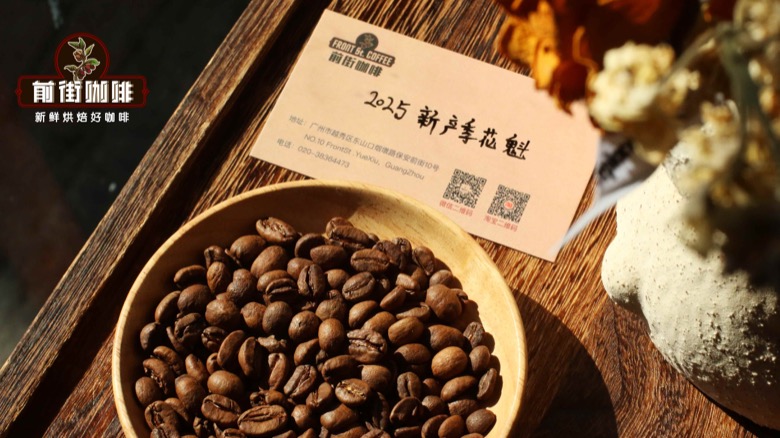
Qianjie Kenya Small Tomato is suitable for practicing parameter changes. It has a bright sweet-and-sour entry similar to small red fruits, and the finish carries a aftertaste like dark dried fruit. Using a medium-fine grind, a water temperature of around 92 °C and a 1:16 coffee-to-water ratio can preserve a refreshing feel; if you want the sweetness to be more concentrated, use less water and slow down the pouring rhythm.
Qianjie Kaffa Forest has a lighter aroma direction, like orange, apricot and tea intertwined, and the sweetness gradually emerges after the temperature drops. When brewing, you might use a grind slightly coarser than medium-fine, control the water temperature at 90 to 91 °C, and pour in two to three stages. This preserves the bright fruity aroma and also makes the soft sweetness easier to taste during the cooling process.
If you like a cup with prominent floral aroma and rich fruity layers, Qianjie Grana Estate Geisha can use a higher water temperature and a longer coffee-to-water contact time. Aromas like orange blossom, guava, apricot and strawberry jam will appear in sequence as the temperature changes. It is recommended to use a medium-fine grind, a water temperature of about 93 °C, and pour in stages with gentler movements, so the complex aroma stays clear and is not broken up by excessive agitation.
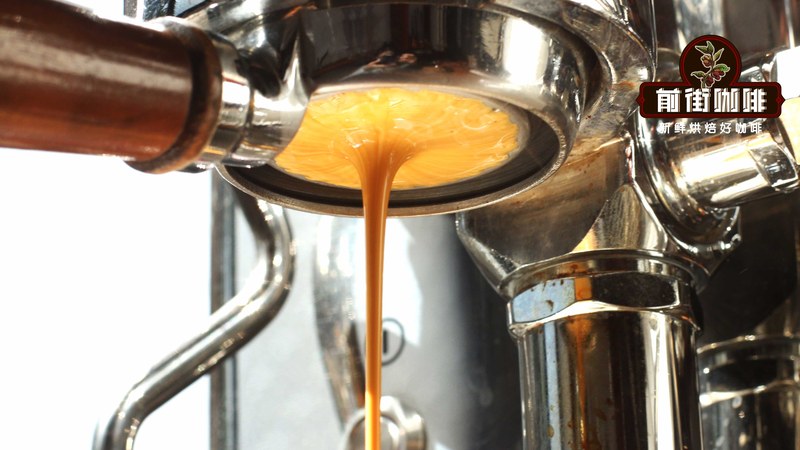
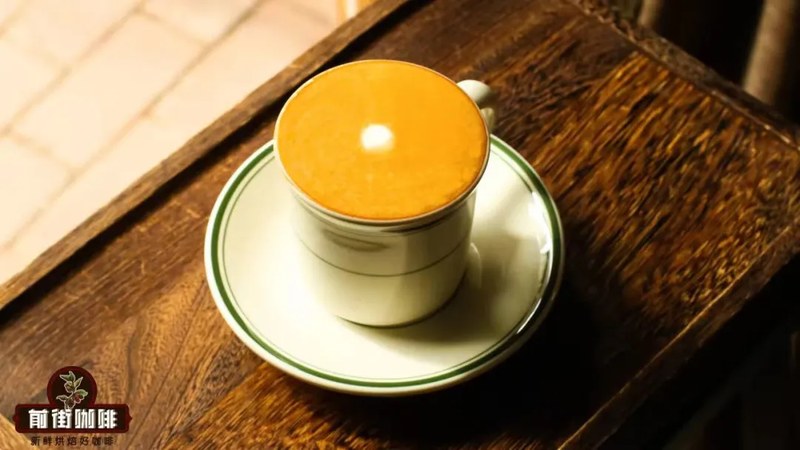
An espresso machine can also make floral and fruity coffee, only the parameter focus shifts from aroma diffusion to concentration control. When choosing a single-origin bean with a light to medium-light roast, you can use a higher temperature and a longer yield ratio to extend the fruity acidity and sweetness, and the liquid weight does not need to be pressed too low; when making americano, add a small amount of hot water and the aroma will be more relaxed. If you plan to add milk, then increase the concentration of the coffee liquid so the fruity sweetness is not completely covered by the milk.
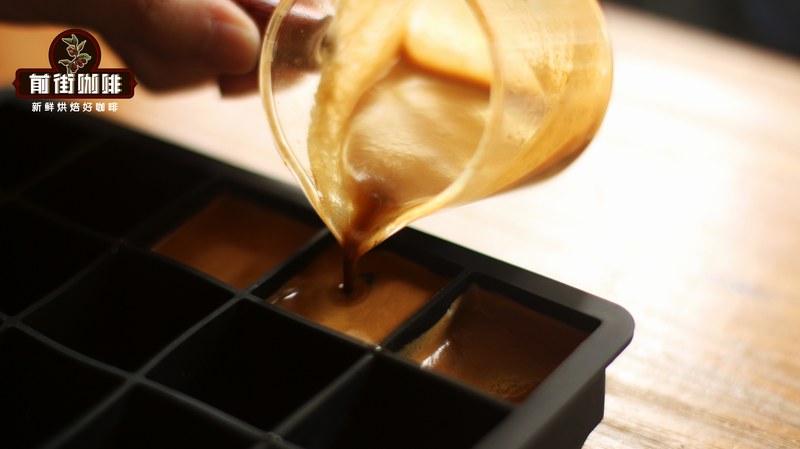
Iced pour-over is suitable for testing whether a bean's aroma is clear. You can replace part of the brewing water with ice in advance, then complete the extraction quickly with a higher water temperature, reducing the heavy feel brought by hot water. The floral aroma will be lighter, and the fruity flavor will appear brighter. When choosing beans, pay attention to whether the flavor description has aroma, sweetness and clear acidity at the same time, rather than only looking for a "fruity" label.
The parameters that truly suit you do not need to copy a fixed recipe. Each time you adjust, change only one of water temperature, grind or water amount, and record the entry's sweet-and-sour, aroma intensity and aftertaste length; after a few cups you will find the sweet spot of your familiar equipment. Floral and fruity aromas are not only obtained by light roasting and high temperature; the key is to let the bean's personality coordinate with the equipment in your hands and the rhythm of drinking coffee.
Related Reading
Comments (0)
Loading comments...
You May Be Interested


Trending Reviews
Popular Videos

With you, wherever you are! We provide useful features to help you find new things you'll love






