Source:Best Coffee > News Author:qjroot Published:2024-07-10 17:49:46
Central America refers to the central part of the American continent, south of the United States and north of Colombia. The terrain here is dominated by plateaus, mountains and forests, with a volcanic belt stretching more than 1,300 km along the Pacific side. The climate here is hot and humid, and thanks to accumulated volcanic ash, the soil is fertile. The main exports are tropical cash crops such as bananas and coffee.
Among the many countries in Central America, quite a few are known for producing coffee, such as Guatemala, Costa Rica and Panama. Among them, the first country to start growing coffee was Costa Rica, which is currently the world's fourteenth-largest coffee producer.
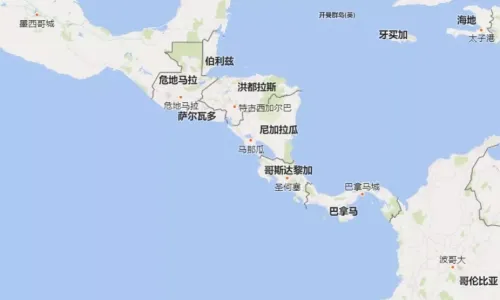
Costa Rica is not a large country in terms of land area, but it has a coastline of more than 1,200 km, numerous volcanoes, a rich variety of species and vast forests. That is why "Costa Rica" means "rich coast" in Spanish.
Most of Costa Rica has a mountainous and plateau terrain. The Cordillera mountain system runs through the center of the country, separating the eastern and western regions and also making the climates of the two regions completely different. Costa Rica's climate is mainly a tropical rainforest climate and a tropical savanna climate. The rainy season throughout the year runs from April to December, and the dry season from December to April of the following year. It can be said that Costa Rica has geographical conditions very suitable for growing coffee.
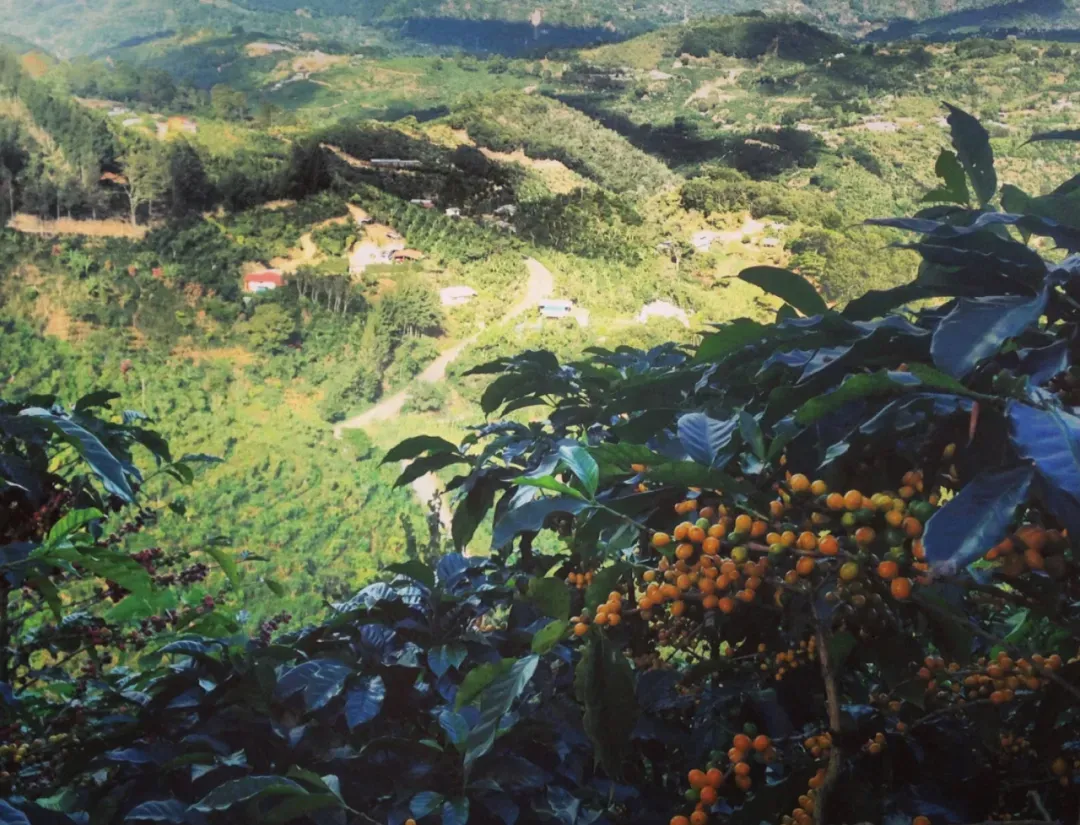
Coffee was first introduced and planted in Costa Rica for its commercial value in the late 18th century. After Costa Rica gained independence from Spain, the government distributed seeds to farmers free of charge to promote coffee cultivation, implemented tax-free policies, and even issued a decree stating that "those who cultivate coffee may own land." Many people joined the ranks of coffee growers for this reason, which promoted the development of the coffee trade.
To improve coffee quality, Costa Rica introduced the washed processing method for the first time in 1830. Compared with sun-dried processing, washed coffee has a lower defect rate and allows for better control of coffee quality, which enabled Costa Rica's coffee quality to remain excellent enough at the time. Later, however, because coffee was grown in high mountains, water storage was difficult, so they borrowed Brazil's semi-dry processing, improved it according to the country's own conditions, and it eventually evolved into the country's famous honey processing.
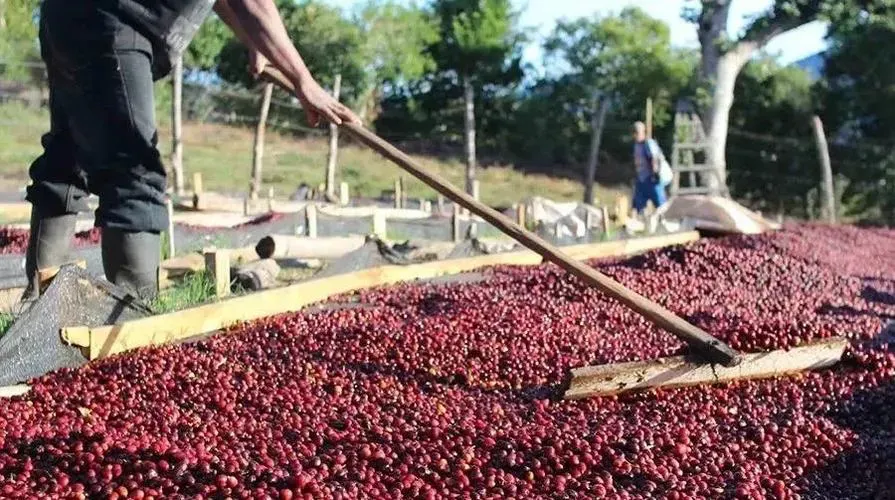
Afterward, the country's coffee was sold to England and praised by the British aristocracy as "golden beans," and the British increased their investment in Costa Rica for this reason. The Anglo-Costa Rican Bank in Costa Rica also came into being in 1863, funding coffee farmers to develop land, cultivate and plant, and build processing plants. Because of its emphasis on coffee quality, it even1989issued a decree prohibiting the cultivation of Robusta in the country.
Costa Rica's coffee regions comprise 7 coffee-producing regions in total: Valle Central Occidental, Valle Central, Tarrazu, Tres Rios, Orosi, Brunca, and Turrialba. These regions are almost all distributed across the central mountain range.
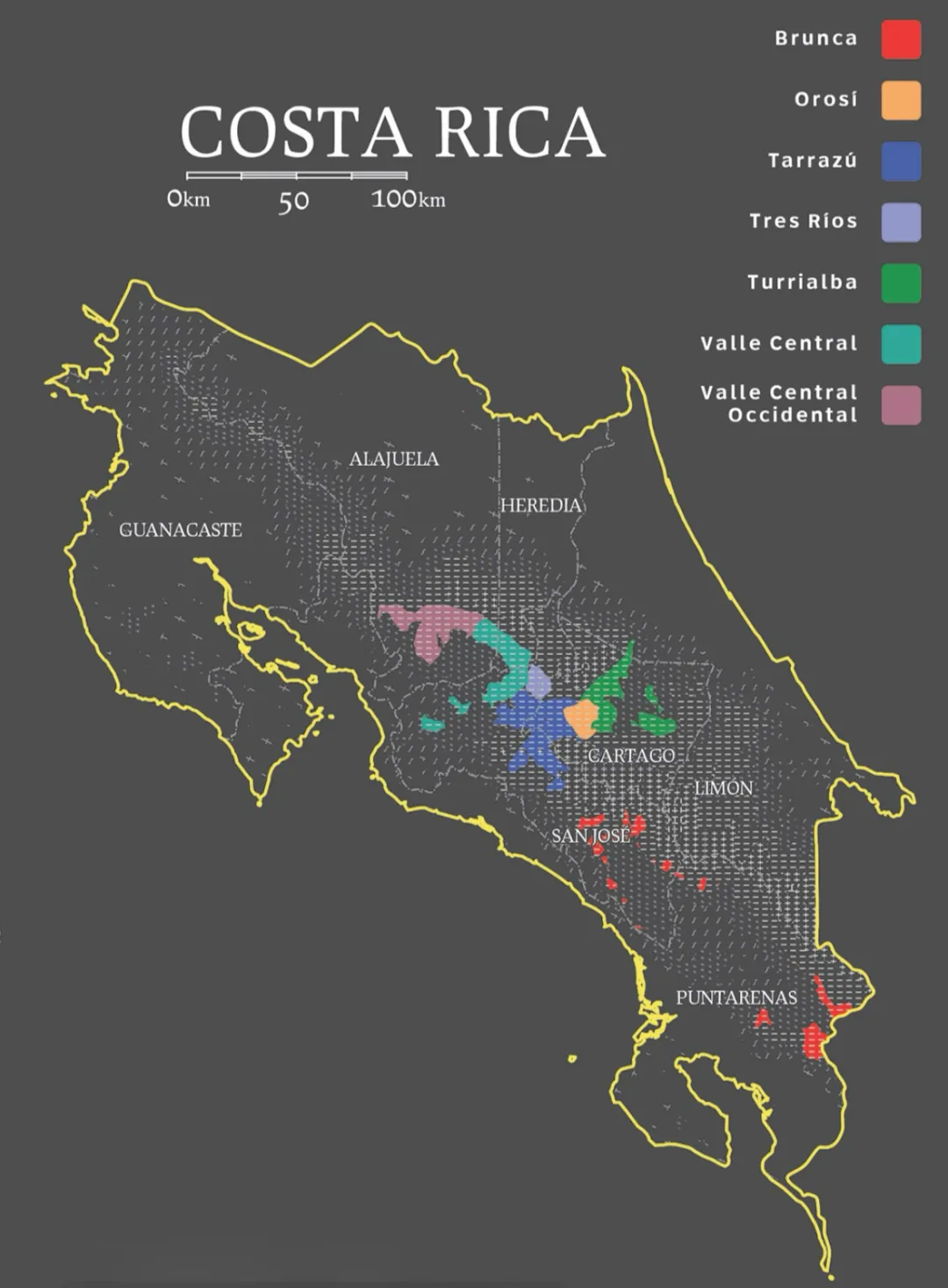
Among them, Tarrazu is the country's largest and most well-known coffee-producing region. At Costa Rica's Cup of Excellence (COE), most of the winning estates come from the Tarrazu region. But in fact, other coffee regions also produce some high-quality coffee, such as the Valley Central Occidental region, which also frequently appears on the COE list.
Valley Central Occidental, along with Tarrazu and Valley Central, ranks as one of the country's three best regions. This region is located in the central mountain range. To its east are Poas Volcano and Barva Volcano, and to its west are San Ramon Mountain and Turrubares Mountain. The average coffee-growing altitude is between 1000-1600 m. In addition to being surrounded by high mountains and volcanoes, it is also brushed by Pacific air currents, making the temperature cooler than in other regions, with an average annual temperature of 21.5°C. As a result, it is home to quite a few well-known estates, such as Volcan Azul and Monte Llano Bonito.
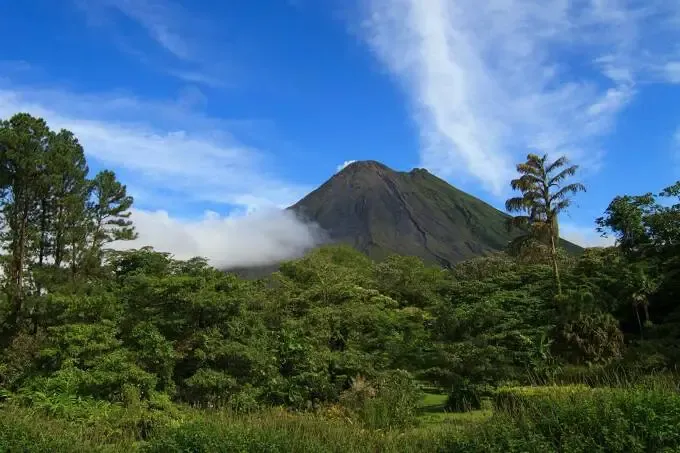
Monte Llano Bonito is located in the Western Valley production region, north of the volcanic range, near the city of Naranjo. The coffee is grown at an altitude of 1700 m, and many coffee varieties are planted, such as Villasarchi, SL28, Geisha, Caturra and San Roque.
The owner of the estate is Francisco Mena, who owns two estates, Finca Sumava de Lourdes and Monte Llano Bonito , and keeps a large area of land as a forest reserve so that wild animals have a natural habitat. In addition, there is a full-time work team to ensure the quality of coffee growing and processing and to produce high-quality coffee. The estate won the champion of the Costa Rica COE in 2016, and in this year's COE, in the Experimental processing group (Experimental), it scored 90.42 points and achieved an excellent third place.

Related Reading







Comments (0)
Loading comments...
You May Be Interested




Trending Reviews
Popular Videos

With you, wherever you are! We provide useful features to help you find new things you'll love






