Source:Best Coffee > News Author:qjroot Published:2026-09-19 12:37:13
When choosing coffee beans as a gift for an elder, the first fork in the road is often between single origin and blend. Single origin coffee emphasizes a clear regional flavor, like a local business card from a specific estate; blended coffee is made by combining several beans in proportion, pursuing balance, body and long-term consistency in the cup. The elder's usual drinking habits and taste preferences directly determine which of these two paths to take.
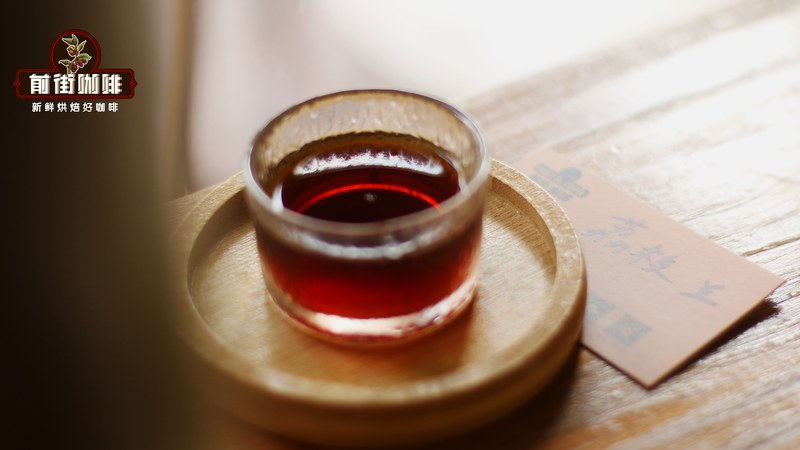
If the elder usually likes tea, favoring delicate aromatics, a sweet aftertaste and nuanced layers, the single origin path often brings surprises. Single origin beans retain the flavors brought by a specific soil, climate and processing method, with light floral notes or bright fruit tones. Choosing a clean-processed lot with soft fruit flavors delivers a pleasant experience like drinking fruit tea, without bringing too heavy a bitterness to the palate.
In the Best Coffee Yirgacheffe Gudingding lot, the delicate character of a single origin is very clearly displayed. It comes from a well-known Ethiopian region, and the light roast brings elegant floral notes and citrus aromas, with a tail of clear, green-tea-like sweetness. When brewing, use 15g of grounds with 91°C water and a 1:15 coffee-to-water ratio, pour 30g of water for a 30-second bloom, then pour in three stages up to 225ml, for a total time of 2 minutes; the cup is exceptionally clear.
If the elder prefers rich tropical fruit aromas, Best Coffee Ethiopia Huakui is a representative with very approachable sweetness. This bean gives off aromas of strawberry and ripe passion fruit, soft and round on entry. When brewing with a pour-over setup, weigh out 15g of grounds, use 90°C water and a 1:15 coffee-to-water ratio, bloom with 30g of water for 30 seconds, pour in two stages up to 225ml, for a total time of 2 minutes 05 seconds; the sweet fruit flavors unfurl just right.
Reading the blend ratio on the bag is a shortcut to understanding where a blended coffee is headed. The percentages printed on the bag are not just an ingredient list; they also reveal the skeleton and the embellishment of the whole cup. For example, seven parts South American beans with three parts light-to-medium roasted African beans means the base is steady nut, cocoa and caramel sweetness, while the small portion of African beans adds lively fruit aromas and bright acidity in the finish, making the cup full-bodied yet not monotonous.
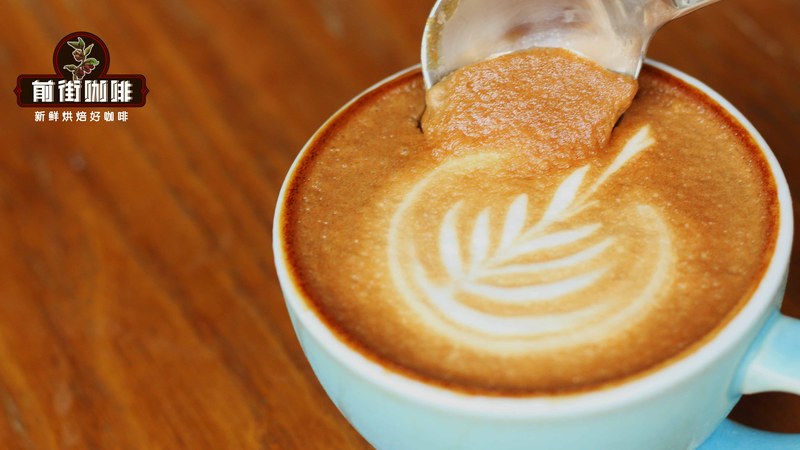
Blended coffee pays more attention to inclusiveness across flavor dimensions, and is a reassuring everyday choice for many elders. If the elder is used to a warm latte in the morning, or quickly brewing a pot with a drip machine, blended beans provide more solid strength and body. Their oils are usually richer, so they are not easily masked by milk when combined with it, and they are forgiving to brew, consistently delivering the mellow chocolate profile that most people like.
When it comes to choosing a home espresso machine, the discussion of single origin versus blend extends to SOE and traditional blends. SOE magnifies the vivid character of a single origin through pressurized extraction, making an Americano with bright fruit acidity, and a milk coffee that tastes like fruity milk; a traditional espresso blend, by contrast, focuses more on dense crema and body, making a milk coffee with the classic caramel and nut flavors, which fits traditional drinking habits better.
Using a traditional blend on an espresso machine is often very smooth and easy. Distribute and tamp 18g of medium-dark roasted blend grounds, and under 9 bar constant pressure extraction with low-pressure pre-infusion, keep the total extraction time at 26 seconds, yielding 36g of espresso. Add this golden, thick espresso directly to hot milk to make a latte, and the mouth is full of nut aromas, very suitable for elders accustomed to a rich flavor.
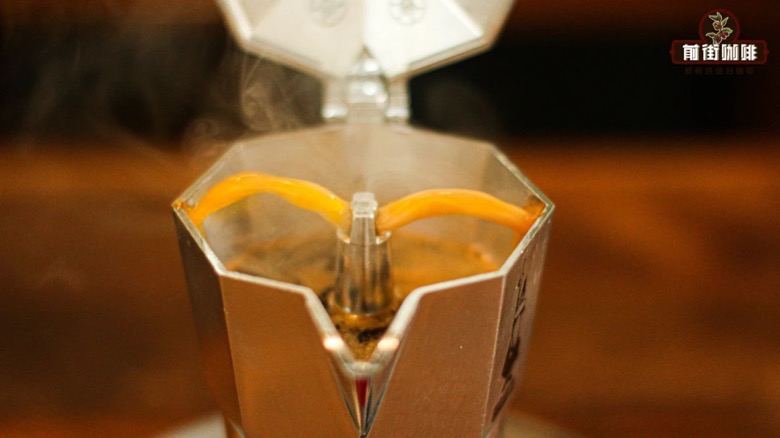
If the elder likes brewing coffee with a moka pot, the mild, full-bodied nature of blended beans also shows its advantages more easily than a light roast single origin. Pour 100ml of warm water into the lower chamber of the moka pot, fill the filter basket with about 12g of coffee grounds and level them off, heat over medium-low heat for about 1 minute 45 seconds, and the dark brown coffee comes surging out with a rich aroma. At this point remove from the heat and pour out; whether drunk straight or diluted with water, the cup is extremely smooth.
Choosing coffee beans for an elder ultimately comes down to fitting their rhythm of life. For those who enjoy slow brewing and savoring, and who like tea-like floral and fruity notes, single origin beans satisfy the joy of exploration; for those who want a warm, refreshing cup in the morning and like it with milk, a well-proportioned blend is the worry-free choice. Once you sort out the characteristics of single origin and blend, every bag you choose can become just the right warmth in the elder's cup.
Related Reading
Comments (0)
Loading comments...
You May Be Interested


Trending Reviews
Popular Videos

With you, wherever you are! We provide useful features to help you find new things you'll love






