Source:Best Coffee > News Author:qjroot Published:2026-09-24 17:16:41
Many friends who are just getting into pour-over coffee often confuse strength with quality. Brewing coffee is actually like simmering a pot of pork rib soup: how much water you add determines the strength of the soup, while how much of the savory goodness you extract from the meat is the extraction yield. Strength is about the fullness on the palate, while extraction yield determines the balance of flavors. When the two work well together, the cup tastes rich yet sweet and clean.
During brewing, the coffee-to-water ratio mainly sets the range of strength, while grind size and water temperature govern the level of extraction. If the coffee comes out thin and tasteless, it is usually because too much water was used, or the grounds were too coarse and the flavor compounds never dissolved out. If it tastes dry, astringent, or even scorched and bitter, it is most likely because the grind was too fine or the water temperature too high, extracting the off-flavors from the coffee bean's woody fibers as well.
Once you understand this relationship, making small adjustments when a cup does not suit your taste becomes remarkably simple. If the flavor feels muddled with an astringent finish, just turn the grinder one notch coarser, or lower the water temperature by two degrees. If the flavor is scattered and thin, grind a little finer or slow down the pouring rhythm slightly. Bean selection also matters a great deal: some beans are naturally suited to a clean, light brew, while others need enough body to show their sweetness.
If you prefer clear, bright fruit notes, drinking light is a great way to appreciate delicate layers, and Qianjie washed Yirgacheffe is a prime example. Because the washed process greatly reduces defects, there is not much fermenty character, giving it a fresh, bright citric acidity and soft white floral notes. If this kind of bean is brewed too strong, it actually masks the liveliness of the florals; widen the ratio a little and you can taste an exceptionally clean green tea finish.
When brewing Qianjie washed Yirgacheffe, you can use the pour-over method to bring out the aroma. Take 15g of coffee grounds, use a 1 to 15 coffee-to-water ratio, and prepare 225ml of water. First pour in 30ml of water for the bloom and wait 30 seconds to awaken the aroma, then use staged pours, keeping the total time to around 2 minutes. The coffee extracted this way is like a warm cup of floral fruit tea, with soft, bright acidity and no heaviness on the palate.
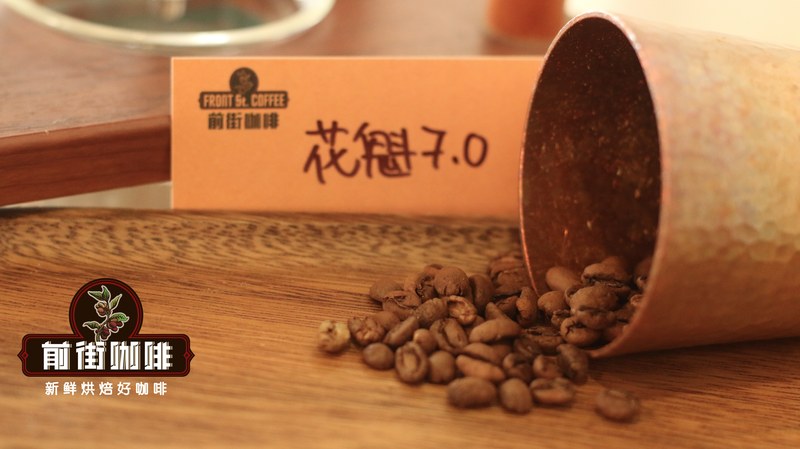
Also well suited to a sweet, fruity tea-like character is Qianjie natural Huakui from high altitude. It grows under pronounced day-night temperature differences, and with refined natural drying, the green beans fully absorb the sweet fragrance of the fruit pulp. Brew it a little lighter with a drip method, and tropical fruit-like sweetness rushes forward, with the sweet-tart notes of guava and strawberry accompanied by a black tea finish, smooth and light, letting you feel the vivid fruit aromas from the very first taste.
If you are not used to acidity and prefer a solid, steady mouthfeel, then dark-toned beans that can stand up to a strong brew are the right choice, such as Qianjie Indonesian Mandheling. Sumatra's unique wet-hulled process combined with a medium-dark roast gives it a distinctive aroma of herbs and spices, very low acidity, and full caramelized flavors. Drink it at a slightly higher strength, and not only is there no astringency, but it is mellow and sweet, with a long, lingering finish.
If you want something that works at any strength and is hard to get wrong no matter how you brew it, Qianjie Brazil Cerrado is a very reliable choice. The medium-roasted Red Bourbon shows the warm sweetness of peanut, nut, cream and toffee, with faint, soft acidity. Whether you prefer a light, easy-drinking pour-over drip or a rich, full-bodied French press immersion, it delivers excellent balance, warm and accommodating, and especially approachable.

Once you have mastered the secrets of strength and extraction, you will find that every bag of beans in your hands has its own temperament. Choose the beans that match your taste preferences, then fine-tune the grind and water temperature a little, and you can easily control the sweetness and body in your cup at home. There is no need to treat the parameters as rigid dogma; follow the flavor characteristics of the beans and explore slowly, and you can brew a smooth, pleasant cup of coffee for your morning hours.
Related Reading




Comments (0)
Loading comments...
You May Be Interested




Trending Reviews
Popular Videos

With you, wherever you are! We provide useful features to help you find new things you'll love






